





[COUNTER-CURRENT] Why the Hola BCN Isn’t Always Worth It for 3 Days
Introduction
Barcelona reveals itself at the pace of its modernist façades, beaches, markets and hills. One of the first questions visitors ask is: “Should I buy the Hola Barcelona transport pass (often called Hola BCN) for my 3 days here?” The knee-jerk answer — “yes, to avoid queues and make getting around easier” — deserves a closer, more nuanced look. This piece takes a pragmatic, counter‑current view: depending on your route, travel style and a few local tricks, the Hola BCN isn’t always the most cost‑effective or practical choice for a 3‑day stay.
The Hola Barcelona Travel Card (commonly shortened to Hola BCN) offers unlimited use of the public transport network run by the Autoritat del Transport Metropolità (ATM) — metro, TMB buses, trams and certain urban trains, including the Metro L9 Sud line to the airport (Terminals 1 and 2) depending on the option you pick. For many travelers, the simplicity of a single ticket valid for 48/72/96/120 hours is appealing. Yet several factors affect whether it’s worth it: your arrival point (El Prat airport or city centre), how many and where your visits are located (historic centre vs Montjuïc vs Collserola), use of night buses, reliance on taxis/ride‑hailing, and whether you can use alternatives like the T‑casual (10‑ride carnet), combined museum tickets or specialized passes (Barcelona Card, Articket) — or simply walk a lot.
In this detailed breakdown, we explain how the Hola BCN works, give concrete prices and exact addresses, compare other fare options, and offer sample itineraries that show when the card pays off — and, more importantly, when it doesn’t. We also cover practical nuances: opening hours, activation rules, zone limits, and local tips to avoid common tourist mistakes. By the end you’ll have the facts to decide whether the Hola BCN is a smart investment for your 72 hours in Barcelona or if more flexible, often cheaper alternatives make more sense.
Before we dive in, remember that fares and schedules can change: the amounts quoted here reflect recent references but double‑check official prices before you buy. We also include exact station names, attraction addresses and ticket offices so you can plan precise journeys — handy when every minute counts on a short 3‑day trip.
1) Exactly what the Hola BCN covers — and what it doesn’t
The Hola Barcelona Travel Card is a transport pass that gives unlimited travel on metros, trams (Trambaix, Trambesòs), TMB city buses and certain trains within the ATM integrated zone for the chosen duration (48h, 72h, 96h, 120h). You can buy it as a paper ticket or electronically, and it must be validated the first time you enter the network: the clock (for example 72 hours) starts at that first validation. It covers most metro lines and urban trains within the main city zones (primarily Zone 1).
Useful addresses for purchase and validation:
- Aeropuerto El Prat – Terminal 1 (Station “Aeroport T1”): Avinguda de l’Aeroport, 08820 El Prat de Llobregat. Ticket machines and staffed counters available 24/7 with variable service hours.
- Estació de Sants (main station): Plaça dels Països Catalans, s/n, 08014 Barcelona. TMB information desks and ticket machines.
- Plaça Catalunya ticket offices: Plaça de Catalunya, 08002 Barcelona. Convenient purchase point for travelers arriving by long‑distance train or bus.
Indicative fares (check before buying) for the Hola Barcelona Travel Card:
- 48 hours: about €16.40
- 72 hours: about €23.00
- 96 hours: about €28.00
- 120 hours: about €34.00
Alternative options: the T‑casual (formerly T‑10), a carnet of 10 trips for Zone 1 costs about €11.35. A single metro or bus ticket costs €2.40 (Zone 1). A trip from El Prat airport to Plaça Catalunya using R2 Nord plus metro can cost between €5 and €10 if you combine fares depending on the route (the Aerobus A1/A2 is around €5.90 one way).
Important limits:
- The Hola BCN does not cover all night bus N‑ (Nitbus) lines (check your line).
- It does not grant priority access to museums, monuments or paid attractions (Sagrada Família, Casa Milà, Picasso Museum, etc.).
- If you plan to walk a lot (Gothic Quarter, Born, central Eixample) or take taxis occasionally, the pass loses much of its financial appeal.
- The pass is timed from first validation: activating your Hola BCN the morning you leave but arriving late the night before can mean you waste hours of coverage.
In practice: if you land at the airport and only plan to get to your hotel then explore mostly on foot in the Barri Gòtic, El Born, La Rambla, Plaça de Catalunya and central Passeig de Gràcia, it’s often cheaper to buy an airport ticket (Aeroport → centre) and then a T‑casual for occasional trips. Conversely, if you expect long cross‑city journeys (Barceloneta → Montjuïc → Tibidabo → Gràcia) or several airport/centre round trips, the Hola BCN can save you time and money. It all depends on your exact itinerary.
2) A concrete example: cost comparison for a typical 3‑day weekend
To make the comparison tangible, here’s a sample 72‑hour itinerary and the transport cost breakdown for two scenarios: with Hola BCN 72h and without Hola BCN (mix of Aerobus/single tickets/T‑casual). Attraction prices are shown to help weigh multiservice passes (note Hola BCN does not cover entrance fees).
Sample itinerary (3 days) — summary:
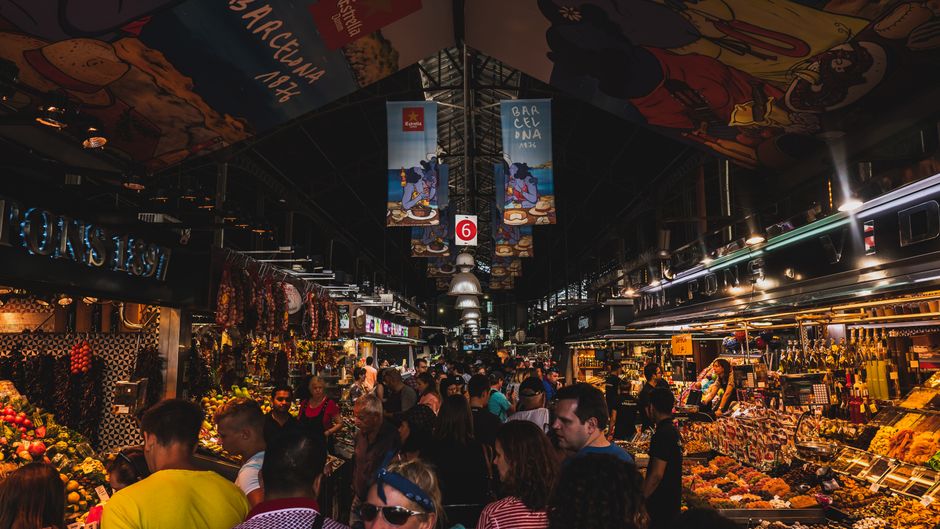
- Day 1: Arrival at Aeropuerto El Prat, transfer to the centre, stroll down La Rambla and visit La Boqueria Market (La Rambla, 91, 08001).
- Day 2: Sagrada Família in the morning, afternoon on Passeig de Gràcia (Casa Batlló, Casa Milà) and dinner in Gràcia.
- Day 3: Montjuïc (MNAC and Poble Espanyol) in the morning, afternoon at Barceloneta beach and evening return to the airport.
Scenario A — Hola BCN 72h (≈ €23.00):
- Activate on arrival (Aeroport station): unlimited travel for 72h. Covers metro, tram and city buses; includes the Aeroport T1/T2 to centre via Metro L9 Sud + connecting metro lines as needed.
- Total transport = €23.00
Scenario B — Without Hola BCN:
- Aerobus A1/A2 airport → Plaça Catalunya: €5.90 one way (return would be another €5.90 → €11.80 round trip).
- Alternatively, R2 Nord train + metro: combined ticket roughly €4.60 to the centre depending on connections — some travelers opt for the regular train (~€4).
- T‑casual (10 rides): €11.35, potentially shared between two people, valid for 10 trips in Zone 1.
Practical calculation for the weekend:
- If you take the Aerobus round trip = €11.80
- Plus 4 metro/tram trips during the stay (e.g.: Plaça Catalunya → Sagrada Família → Passeig de Gràcia → Barceloneta → return): 4 × €2.40 = €9.60. Total = €21.40
- If you buy a T‑casual for 10 trips (€11.35) and use 6 trips, cost per trip = €1.89; Aerobus round trip = €11.80; approximate total = €11.80 + €11.35 = €23.15
Analysis:
- If you take the Aerobus return and only make about 4 metro trips, the no‑Hola option (≈ €21.40) is already cheaper than the Hola BCN 72h (≈ €23.00).
- Buying a T‑casual and using it fully (10 trips, possibly shared) puts you roughly level with Hola BCN; note the T‑casual isn’t nominal and may not cover the full L9 Sud airport journey without extra charges — in some cases the Aerobus stays the most convenient option.
- If you plan numerous cross‑city trips (centre → Montjuïc → Tibidabo → Gràcia), the unlimited Hola BCN becomes cost‑effective as it covers all those journeys during the validity period.
Example entrance fees to factor into your decision:
- Sagrada Família — Carrer de Mallorca, 401, 08013 Barcelona: standard adult ticket ~ €26.00, hours 09:00–18:00 (seasonal variations).
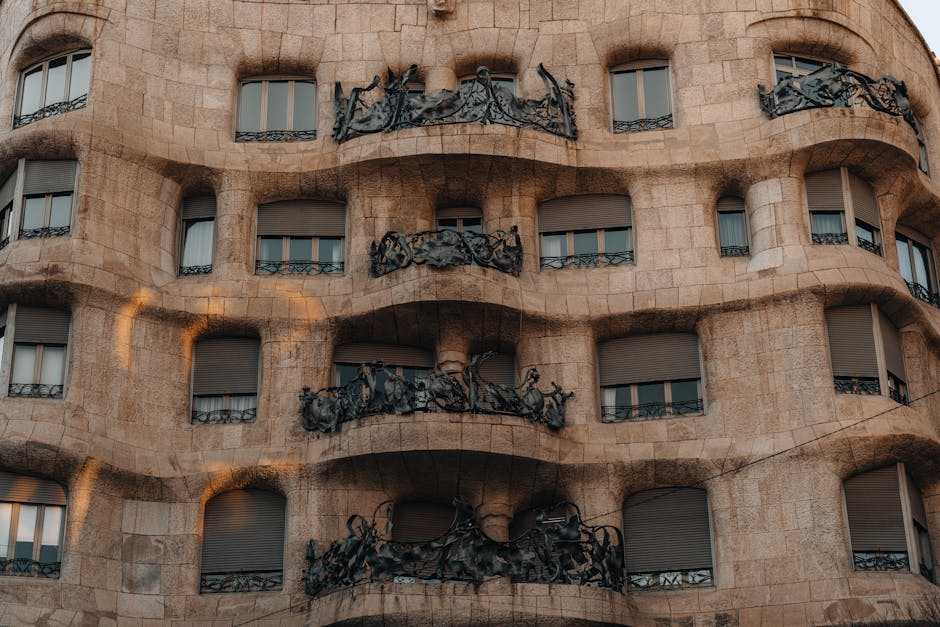
- Casa Milà (La Pedrera) — Passeig de Gràcia, 92, 08008 Barcelona: entry from €25.00, hours 09:00–18:30.
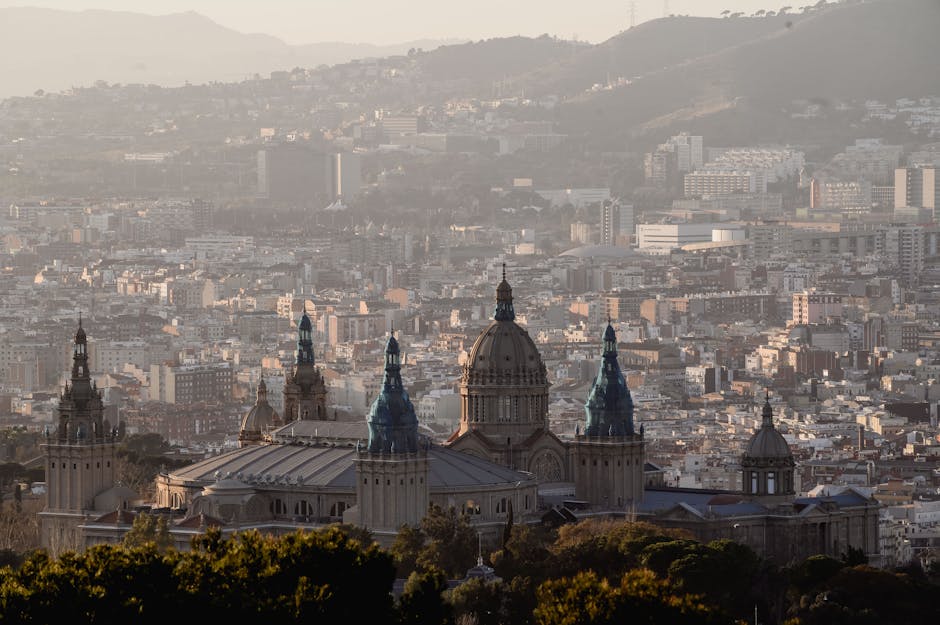
- MNAC (Museu Nacional d’Art de Catalunya) — Palau Nacional, Parc de Montjuïc, s/n, 08038 Barcelona: entry around €12.00, hours 10:00–19:00 (variable).
Conclusion of the comparison: for a 3‑day stay with arrival/departure at the airport and moderate metro use, the without‑Hola option can be cheaper, especially if you combine Aerobus with a few single tickets or a T‑casual. For a packed itinerary with many trips outside the centre, Hola BCN remains convenient and can be financially worthwhile.
3) When the Hola BCN becomes ineffective: practical cases and common mistakes
There are specific situations where buying a Hola BCN for 3 days backfires. Here are the most common cases, along with typical tourist errors and tips to avoid them.
Case 1 — Stay concentrated in the historic centre:
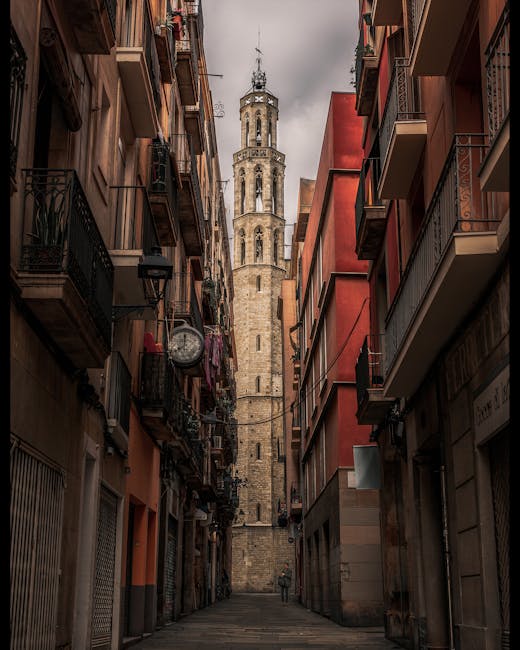
If you’re staying and doing most visits in Barri Gòtic, El Born, El Raval and Eixample — compact neighbourhoods easily covered on foot — you’ll sharply reduce the number of public transport trips. Walking from Plaça Catalunya to the Palau de la Música Catalana (Carrer Palau de la Música, 4-6, 08003) and the Born is quick and pleasant: taking the metro for these short hops often only saves a few minutes at the cost of a fare. In this case, buying single tickets (€2.40) or a T‑casual if you expect a few round trips is sufficient.
Case 2 — Frequent use of taxis, ride‑hail or late‑night strolls:
Many travelers prefer taxis for comfort (late arrivals, luggage, late returns). A taxi ride from El Prat airport to the city centre costs around €30–35 depending on traffic and exact location (with possible surcharges for luggage or tolls). If you use taxis frequently for multiple daytime trips, the Hola BCN becomes less relevant.
Case 3 — Tours and paid activities clustered nearby:
If you plan to buy combined museum tickets (e.g. Articket Barcelona: access to six museums for about €35) or skip‑the‑line tickets for Sagrada Família and Park Güell, those purchases don’t justify an unlimited transport pass if you can limit paid transport journeys. Too many tourists buy a Hola BCN “to save time” without realising most of their trip will be a 2–3 km walking radius.
Common mistake — activating the card too early:
The Hola BCN validity starts at first validation. If you activate it at the airport the night you arrive but only start using it the next morning, you’ve already lost part of the covered hours. Tip: activate the pass only when you take your first useful journey.
Common mistake — misunderstanding the zones:
Most tourist trips occur in Zone 1; however, some destinations (certain airport transfer options, excursions to the outskirts) may require supplements or specific tickets. Always check that your journeys fall in Zone 1 covered by the Hola BCN you bought. If you take a regional Rodalies Renfe train beyond the integrated zone, the Hola BCN won’t apply.
Buying online vs in person — pitfalls:
Buying the Hola BCN online (official site or resellers) can save you queuing time but may require printing or collecting a physical voucher depending on purchase mode. Buying at a ticket office on arrival can mean waiting in line and wasting time. Tip: if you buy online, keep proof of purchase and know where to exchange your voucher (Estació de Sants, Plaça Catalunya, Aeroport T1).
4) Practical alternatives to the Hola BCN for 3 days
If the Hola BCN doesn’t look like a good deal, several alternatives help optimize cost and comfort. Here are the most common, with addresses and practical notes:
- Aerobus (A1/A2): direct airport → centre (Plaça Catalunya). One‑way fare ≈ €5.90. Frequent departures, typical hours roughly 05:35–01:00 (seasonal). Ticket point: Aerobus stop in front of Terminals T1 and T2 (Avinguda de l’Aeroport, El Prat).
- T‑casual (10‑ride carnet Zone 1): Price ≈ €11.35. Available at all metro stations and train stations via ticket machines. Ideal for short stays where you expect fewer than 10 trips.
- Single metro/bus ticket: ≈ €2.40 per single ride (Zone 1). Handy if you hardly travel.
- Barcelona Card: multiservice pass that includes transport and discounts/entries to museums: e.g., 3 days ≈ ~ €50–60 depending on options. It can be worth it if you plan many paid museum visits, but it costs significantly more than a basic Hola BCN.
- Combined tickets and themed passes: Articket Barcelona (six museums) ≈ €35, combined Sagrada Família + museum tickets ≈ €30–35. These can replace a transport‑focused pass if your priority is cultural access.
Local tips:
- Walk! The centre is very walkable. Between Plaça Catalunya, La Rambla, Passeig de Gràcia and the Born, distances are often shorter on foot than taking two metro connections.
- Avoid the L9 Sud (airport) if you have lots of luggage: the trip is long with many stops; the Aerobus is quicker and more comfortable.
- If you’re traveling as a pair, compare the total cost of sharing a T‑casual carnet versus a Hola BCN: sharing a T‑casual often gives a better cost/use ratio.
- Use official TMB / RENFE services for real‑time info and schedules: Estació de Sants (Plaça dels Països Catalans, s/n) is a good information hub.
Example practical allocation for an economical 3‑day stay:
- Aerobus round trip ≈ €11.80
- T‑casual for 10 trips (can cover 3 days if used wisely) ≈ €11.35
- Total transport ≈ €23.15 — comparable to a Hola BCN but with more flexibility and potentially less wasted time if you only activate it for necessary journeys.
5) Practical tips to get the most out of 3 days in Barcelona without wasting money
Here’s a step‑by‑step guide to plan 72 efficient, budget‑friendly hours and make sure you don’t pay for a Hola BCN you won’t use.
Step 1 — Plan your first and last journeys:
- If you arrive early and immediately plan many trips, activating Hola BCN at the airport can make sense. If you arrive late, consider a taxi/Aerobus for arrival and only activate your pass the next morning.
- Key airport addresses: Terminal 1 (Aeroport T1, Avinguda de l’Aeroport, 08820 El Prat de Llobregat) and Terminal 2 (Aeroport T2, Avinguda de l’Aeroport, 08820 El Prat de Llobregat).
Step 2 — Identify your “big” transfers:
- Montjuïc (MNAC, Poble Espanyol) — take L1/L3 + funicular or bus; some sections are better on foot or by cable car (Telefèric de Montjuïc, Parc de Montjuïc, Av. de Miramar, 08038 Barcelona).
- Tibidabo — funicular + Tramvia Blau (Plaça del Doctor Andreu, 1, 08035 Barcelona): a tourist route that gets costly if repeated often.
Step 3 — Buy only what you need:
- Get a T‑casual if you expect 4–8 trips in 3 days; it’s economical and flexible.
- Prefer the Aerobus for a quick, no‑transfer airport transfer to Plaça Catalunya if you have luggage or are tired.
Step 4 — Use off‑peak hours and free slots:
- Many museums or attractions offer free or reduced slots (for example, some museums have free entry on the first Sunday of the month). Check official pages of the sites you plan to visit: Sagrada Família, Museu Picasso (Carrer Montcada, 15-23, 08003 Barcelona), MNAC.
- Wandering through Parc de la Ciutadella, the Born or along Port Vell is free and often more rewarding than rushing between paid sights.
Step 5 — Leave some flexibility:
- Don’t spend so much time obsessing over every euro that you miss local experiences: a great meal at an authentic tapas bar (e.g. Bar del Pla, Carrer de Montcada, 2, 08003) can be more valuable than a saved metro fare.
Extra local tips
– Avoid rush hours (08:00–09:30 and 17:30–19:30) for public transport, especially L1, L3 and L4. Stations like Passeig de Gràcia (Passeig de Gràcia, 08007) and Sants can get very crowded.
– If you travel with kids or people with reduced mobility, taxis or private services may be easier despite the higher cost.
– Always check official opening hours for each attraction: for example, Park Güell (Carrer d’Olot, 5, 08024 Barcelona) typically opens between 09:30 and 18:30 depending on the season, and entry to the monumental area is about €10.00.
Conclusion
The Hola BCN (Hola Barcelona Travel Card) is a very useful tool for certain travelers, but it’s not a one‑size‑fits‑all solution for every 3‑day visit to Barcelona. Its value depends entirely on your precise itinerary, arrival point, willingness to walk and how much you’ll use public transport. For stays centered on the historic core and on foot, buying a Hola BCN 72h can cost more than a clever mix of Aerobus, single tickets or a T‑casual. Conversely, for routes that include Montjuïc, Tibidabo, frequent airport round trips or many cross‑city journeys, Hola BCN brings simplicity and can be economical.
Before you decide, spend a few minutes mapping your days: list the addresses of the places you want to visit (for instance, Sagrada Família — Carrer de Mallorca, 401, 08013 Barcelona; Casa Milà — Passeig de Gràcia, 92, 08008 Barcelona; Museu Picasso — Carrer Montcada, 15-23, 08003 Barcelona), estimate the number of transport trips, and compare the total cost of a Hola BCN 72h with the Aerobus/T‑casual or single‑ticket combination. Don’t forget to factor in opening hours (Sagrada Família 09:00–18:00 / Park Güell 09:30–18:30 / MNAC 10:00–19:00 — subject to seasonal change) and entrance fees if you’re counting on multiservice passes.
Finally, Barcelona isn’t only about optimising tickets: every street, market and terrace has its charm. Part of the trip is walking, lingering in a bakery, admiring Gaudí’s façades or watching the sunset from Montjuïc — often more memorable than a few euros saved. By weighing costs and journeys objectively and keeping a flexible approach, you’ll be confident you picked the best option for your 3 days in Barcelona, whether that’s a Hola BCN or alternatives better suited to your pace.