





Introduction: Travel Smart in Barcelona — principles and stakes
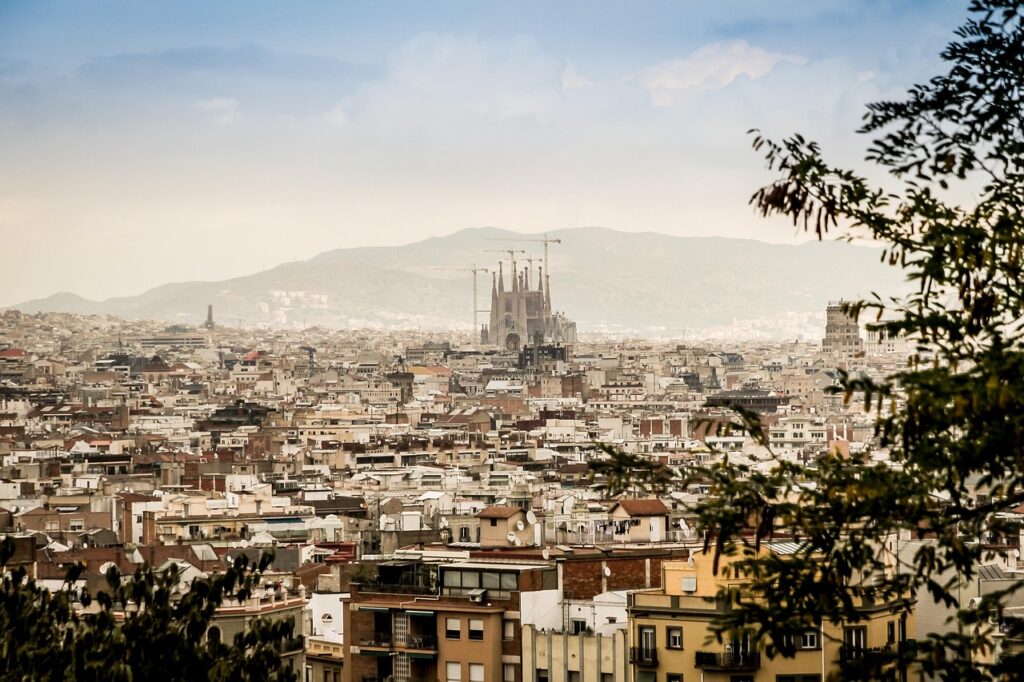
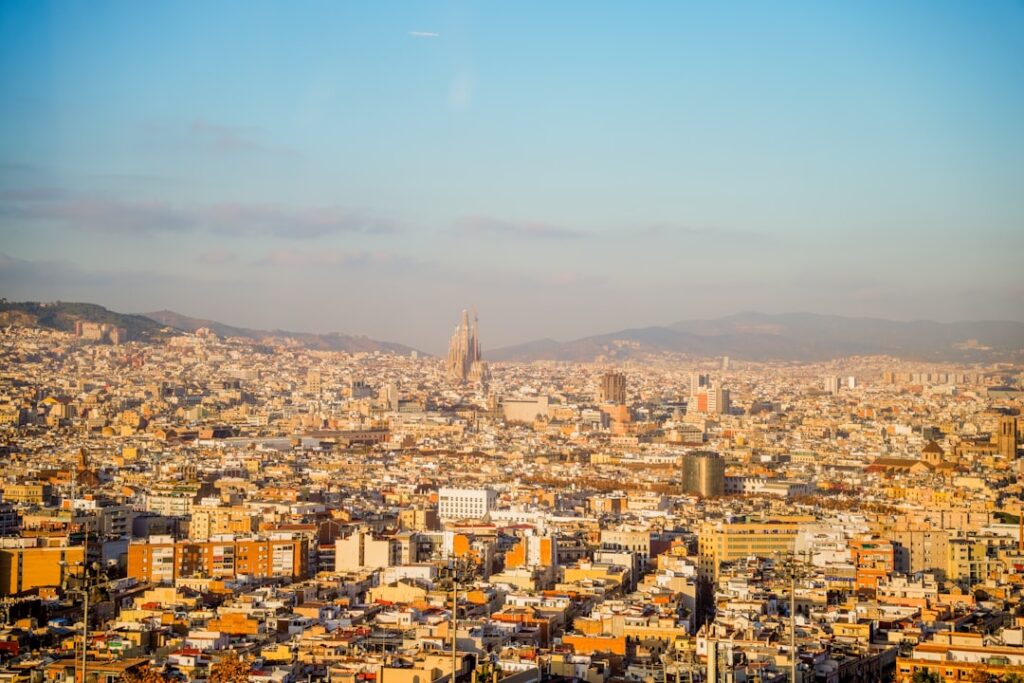
Barcelona reveals itself to those who master getting around. Between the modernist architecture of the Eixample, the medieval alleys of the Barri Gòtic, the seafront beaches and the hills of Montjuïc and Tibidabo, Catalonia’s capital packs a huge number of sights into a relatively compact area. Still, without a thoughtful travel strategy you can waste time, overspend and miss the highlights.
This practical guide gives you concrete techniques, exact addresses, opening hours and up-to-date prices to optimize every trip inside Barcelona. The aim is twofold: cut transit time and improve the quality of your local experiences. You’ll find advice on picking the right fare options (single tickets vs tourist passes), using the public transport network (metro, buses, trams, regional trains, funiculars), taking sustainable alternatives (walking, cycling, scooters) and dealing with common urban nuisances (rush hours, pickpockets, temporary closures).
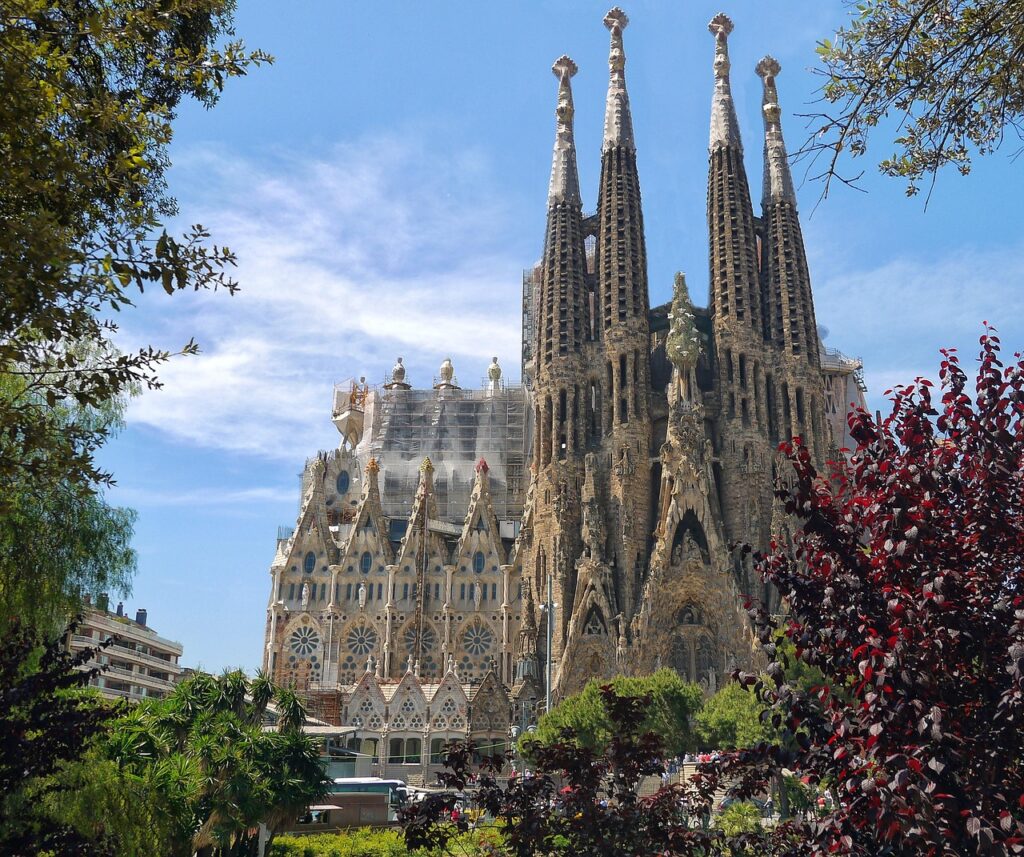
We’ll mention specific places — with exact addresses, opening times and indicative prices in euros — so you can build coherent, smooth days. For example: how to pair a morning at the Sagrada Família (Carrer de Mallorca, 401, 08013 Barcelona) with an afternoon at Park Güell (Carrer d’Olot 5, 08024 Barcelona), avoiding time-eating tourist shuttles and favoring direct links. Or: which transport cards suit a 2-, 3- or 5-day stay, and how to save up to 40% on journeys without sacrificing flexibility.
You’ll also get local practical tips: the best time slots to visit without the crowds, the quickest metro stations for fast transfers, useful services (information offices, left-luggage, bike rentals), and safety tips against pickpockets — who are very present in tourist zones like La Rambla (La Rambla, 08002 Barcelona) and Barceloneta station (Passeig Marítim de la Barceloneta). This guide is designed for all traveler types: families, couples, business visitors, urban hikers and those on tight schedules. Let’s get started with golden rules to optimize every trip in Barcelona.
1) Public transport: choosing the right ticket, understanding the networks
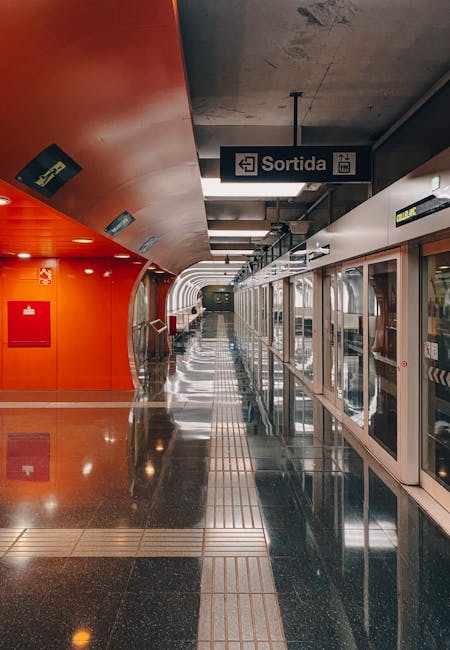
Barcelona’s transport network is dense and efficient: metro (TMB), city buses (TMB), trams (TRAM), regional trains (Rodalies Renfe) and airport services (Aerobus and R2 Nord train). Before buying single tickets on the fly, evaluate how long you’ll stay and what your daily plans look like.
- Single ticket (bitllet senzill): around €2.50 per trip (zone 1). Valid for one ride only, not unlimited transfers. Purchase at station ticket machines.
- T-Casual (10 journeys): around €11.35 (zone 1). Non-nominative, usable on one terminal at a time. Ideal for short stays of 2–4 days if you plan 6–10 trips.
- Hola Barcelona Travel Card: unlimited travel for 2/3/4/5 days — indicative prices: 2 days €12.50, 3 days €18.40, 4 days €23.70, 5 days €28.80. Covers unlimited metro, buses, trams and zone 1 trains.
To get to El Prat Airport:
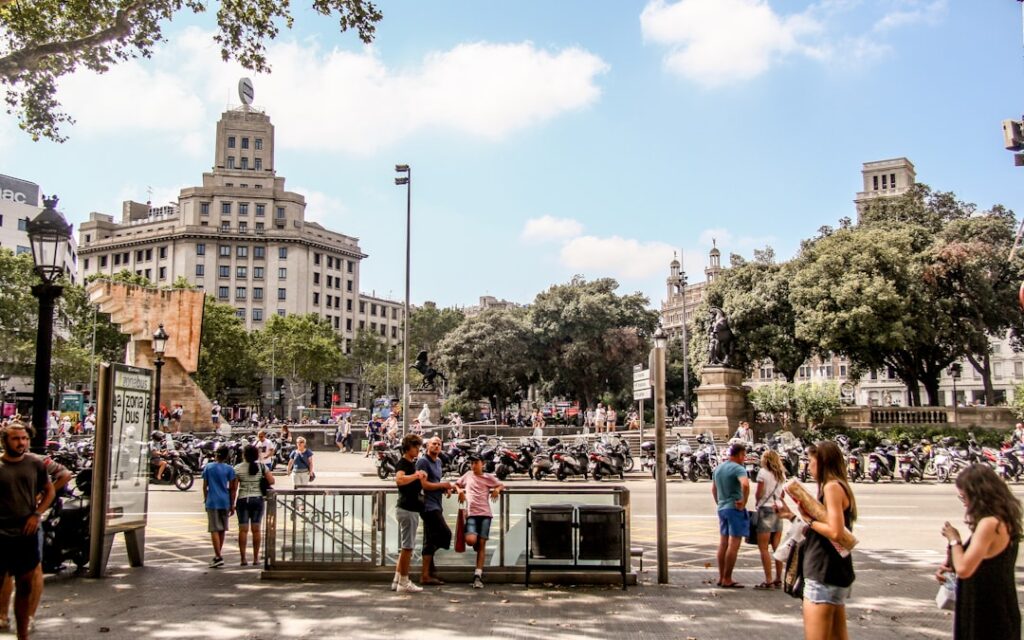
- Aerobus: lines A1/A2 link Plaça de Catalunya with Terminal 1 and Terminal 2. Price: €5.90 one-way, €10.20 return. Frequency: about every 5–10 minutes, roughly 05:35–01:00 depending on the season. Main departure: Plaça de Catalunya (Passeig de Gràcia / Las Ramblas).
- R2 Nord train (Renfe): from Barcelona-El Clot-Aragó, Passeig de Gràcia or Barcelona Sants to Aeroport – El Prat. Price: about €4.60–€4.80 per trip. Variable frequency; allow 20–30 minutes from Passeig de Gràcia.
- Taxi: estimated airport–city center fare: €25–€35 depending on traffic, luggage and exact destination.
Metro hours: the metro generally runs from 05:00 to midnight on weekdays, with extended service at night on weekends (Friday and Saturday nights) on certain lines. Check specific schedules on the TMB site. Night buses (NitBus) supplement the network after midnight.
Practical tips:
- If you stay 3 days or more and expect more than 6 journeys per day, the Hola Barcelona often works out cheaper and saves you from buying tickets all the time.
- Use the TMB App or Google Maps in public transport mode to optimize connections: wait times shown are generally reliable.
- Remember to validate at each transfer — ticket checks are frequent.
2) Walking and cycling: when to favor them and where to rent
Barcelona is built to be explored on foot. Central neighborhoods (Barri Gòtic, El Born, Born-Ciutat Vella, Eixample) are very walkable and let you soak in the architecture, modernist facades and local markets. Walking is often the fastest option for short distances since it avoids queues and network detours.
For medium distances (2–6 km), cycling is an excellent choice. The city has developed bike lanes along Passeig de Gràcia, the Barceloneta seafront and several cross-city arteries. Options include:
- Bicing: a public bike service reserved for residents and long-term subscribers. Not suitable for most tourists.
- Private bike rentals: many tourist rental shops. Typical price: €12–€18 per day for a standard bike, €25–€40 for an electric bike. Examples: « Green Bikes Barcelona » (Passeig de Gràcia, exact address to check online) or « Born Bicycles » (Carrer del Rec, 4, 08003 Barcelona).
- Guided bike tours: 2–4 hour guided rides with a local guide, average cost: €25–€45.
Practical examples:
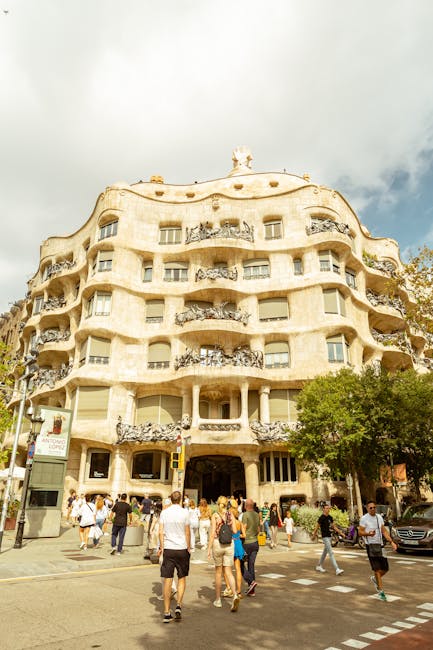
- Morning on Passeig de Gràcia (Casa Batlló, Passeig de Gràcia 43; Casa Milà/La Pedrera, Passeig de Gràcia 92): park your bike at a public bike stand or street rack. Interior visits usually cost: Casa Batlló ~ €35, Casa Milà ~ €25–€30.
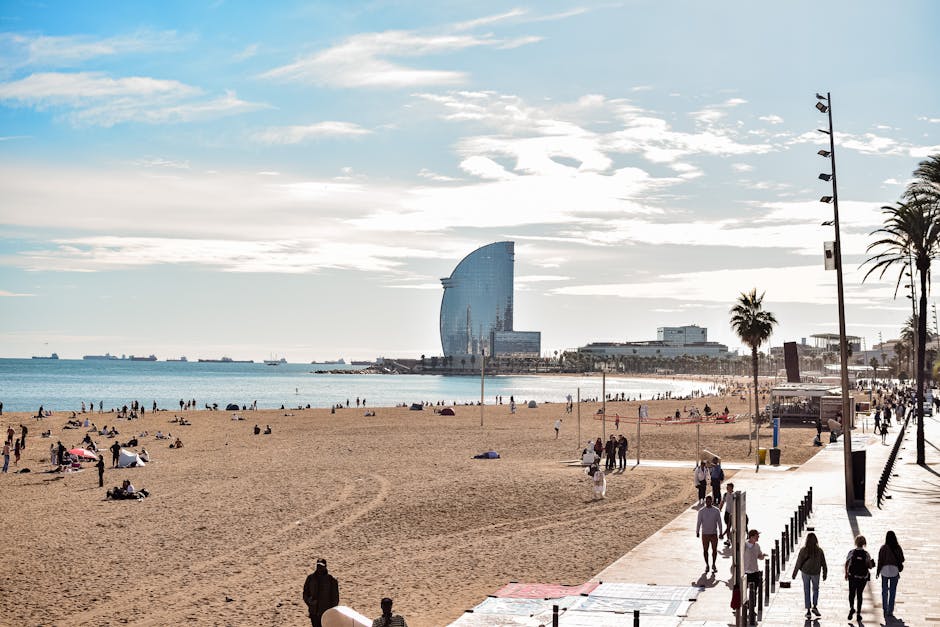
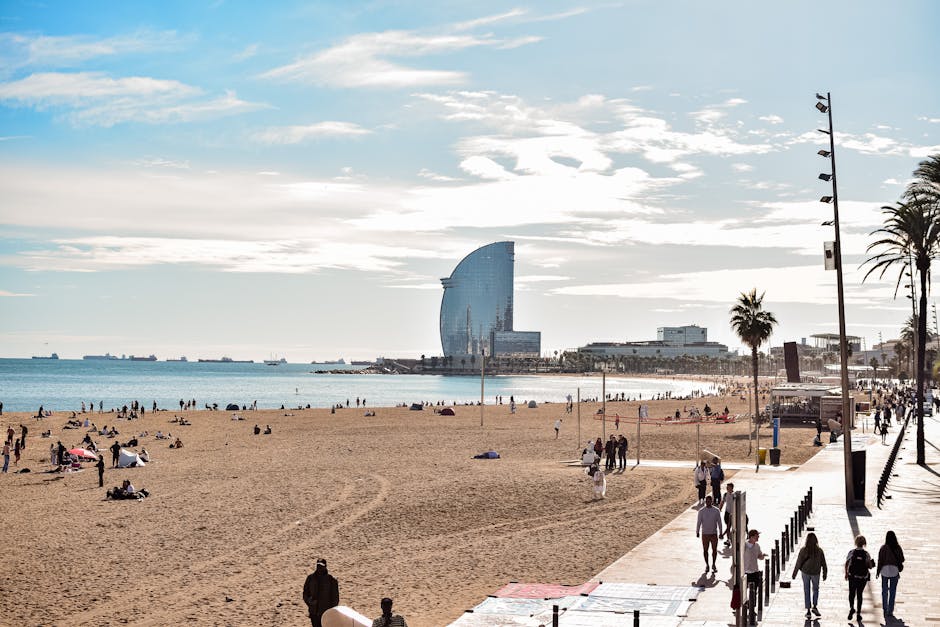
- Beach promenade to Barceloneta (Passeig Marítim de la Barceloneta): continuous bike lane along the seafront, perfect for finishing at the beach. Bike rental on Passeig Marítim: ~ €12/day.
Safety tips:
- Use a good lock — bike theft is common. Secure both the frame and a wheel to a fixed point.
- Stick to bike lanes, signal turns with your hand and avoid crowded sidewalks in tourist hotspots (La Rambla in particular).
3) Optimized routes: logical combinations to save time
Planning your trips by zones will save you hours. Here are suggested optimized day routes, with addresses, opening times and indicative prices, to cut down on back-and-forth travel.
Historic center and port route (morning)
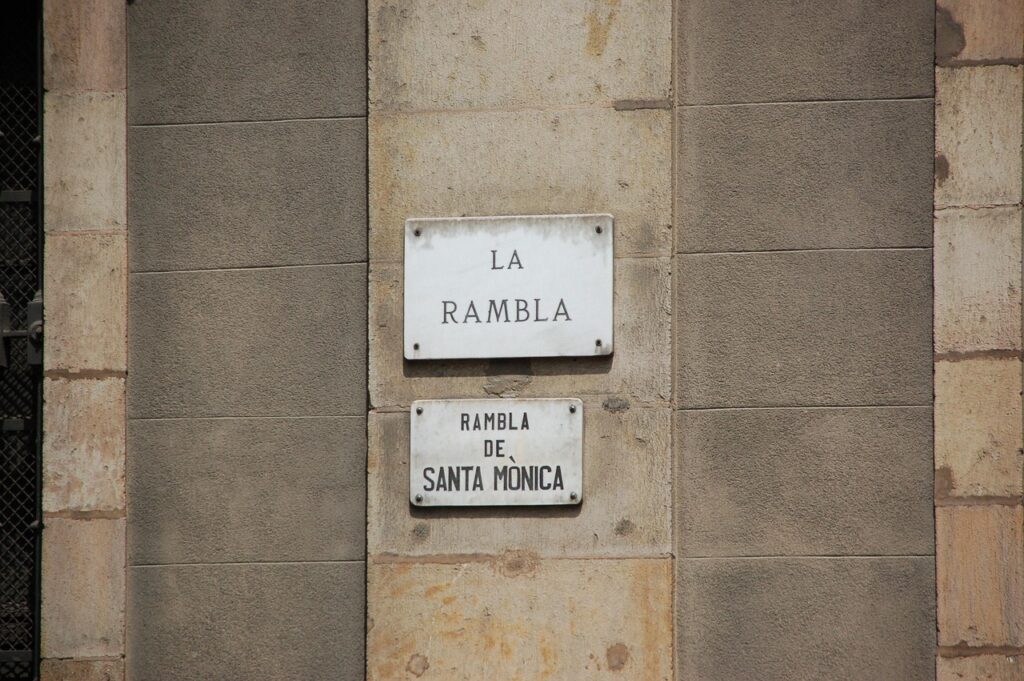
Start at Plaça de Catalunya (Plaça de Catalunya, 08002) — the city’s transport hub. Walk down La Rambla to the La Boqueria market (Mercat de Sant Josep de la Boqueria, La Rambla, 91, 08001). Hours: generally 08:00–20:30 depending on stalls. Afterward, head to the Barri Gòtic and Barcelona Cathedral (Carrer del Bisbe, s/n, 08002), open 08:00–19:00; cathedral entry is free (roof access is paid: ~ €6–€7).
Tip: visit La Boqueria early (08:00–09:30) to avoid crowds and see the fullest stalls. Allow 60–90 minutes to browse and grab a quick bite.
Modernism and shopping route (afternoon)
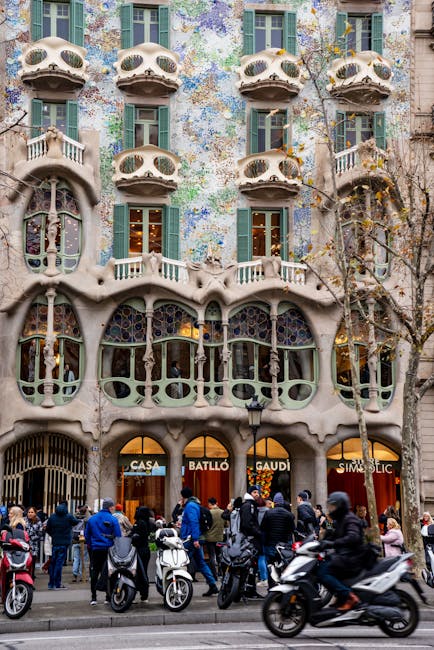
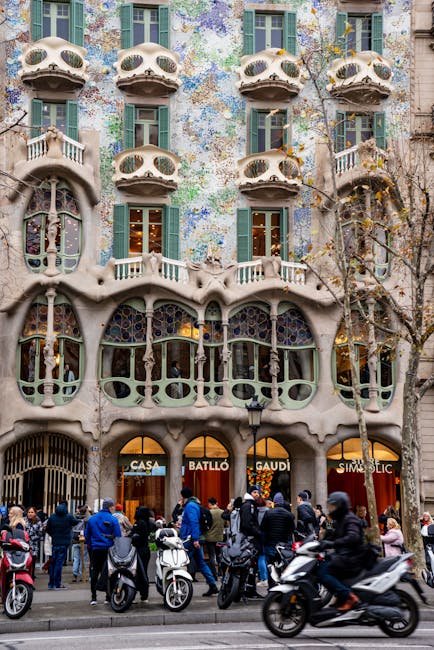
From Plaça de Catalunya, head up to Passeig de Gràcia to see Casa Batlló (Passeig de Gràcia, 43, 08007; hours 09:00–21:00; ticket ~ €35) and Casa Milà / La Pedrera (Passeig de Gràcia, 92, 08008; hours 09:00–20:30; ticket ~ €25–€30). Visit the interior of only one house to save money and enjoy the façades for photos. Luxury stores and designer boutiques line the boulevard — keep an eye on your belongings as busy shopping areas attract pickpockets.
Montjuïc and viewpoints route (late afternoon / evening)
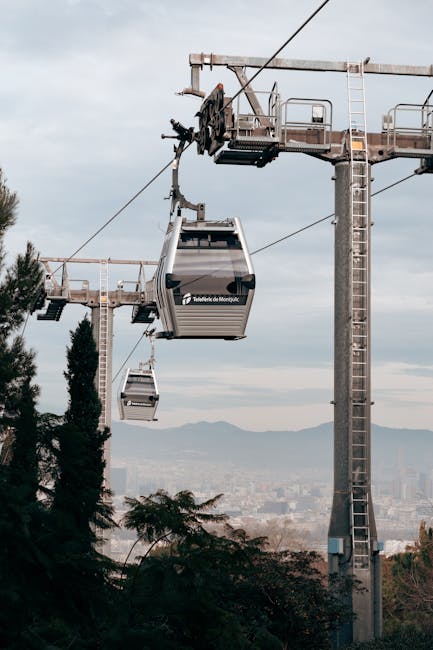
Take the funicular from Paral·lel (Funicular de Montjuïc, access via Metro L3 Paral·lel) up to Montjuïc. Visit the Museu Nacional d’Art de Catalunya (MNAC — Palau Nacional, Parc de Montjuïc, s/n, 08038; typical hours 10:00–18:00; ticket ~ €12) then continue up to Montjuïc Castle (Ctra. de Montjuïc, 66, 08038) for sunset. The Montjuïc cable car (Telefèric de Montjuïc) offers great views — one-way ~ €12.50, return ~ €19.00. Finish at the Magic Fountain (Plaça de Carles Buïgas) for the night show (times vary; free but check seasonal schedules).
These three blocks cover a large share of Barcelona’s must-sees without zigzagging across town. Adapt them to your interests and try to avoid metro rush hours: 08:00–09:30 and 17:00–19:30 on weekdays.
4) Local hacks, safety and saving money — small moves, big gains
A few Barcelona tips locals use that make a difference:
- Buy tickets in advance: for the Sagrada Família (Basílica de la Sagrada Família, Carrer de Mallorca, 401, 08013; hours 09:00–18:00 depending on season) and Park Güell (Carrer d’Olot, 5, 08024; hours 08:00–20:00 variable), buying online saves you from queuing. Sagrada Família price: standard ticket €26–€36 depending on options (audio guide, tower access). Park Güell monumental zone: €10 adult.
- Off-peak hours: favor early morning (opening) or late afternoon visits to minimize crowds. The Sagrada Família often opens at 09:00 — arrive at 08:30 at the ticket office if you prefer buying on-site.
- Watch out for pickpockets: La Rambla (La Rambla, 08002), Sants Estació (Plaça dels Països Catalans, s/n, 08014) and tourist buses are hotspots. Keep valuables in an inner pocket or an anti-theft bag, and spread your cards and cash across different places.
- Cheap eats: avoid restaurants right on La Rambla. Choose local bodegas in Sant Antoni (Carrer del Parlament, 08015) or El Born. Example: Els 4Gats (Carrer de Montsió, 3, 08002) — dishes €10–€25.
- Must-have apps: TMB App (transport), Google Maps/Citymapper (routes), Renfe Cercanías (train schedules), and bike/scooter apps (Lime, Dott depending on availability).
- Cash: most places accept cards, but keep €20–€40 in cash for small purchases and markets. ATMs are common, but use bank counters where possible to limit withdrawal fees.
Following these tips will cut costs and save time: favor an unlimited pass for intensive stays, walk in dense neighborhoods, rent a bike for the seafront and use the train or Aerobus for fast airport transfers. One last piece of advice: stay flexible. Unplanned events (metro closures for works, occasional strikes, site closures) happen; leaving buffer time and having alternatives will spare you stress and extra expenses.
Conclusion: Travel smart, enjoy a richer, calmer experience
Optimizing your routes in Barcelona isn’t just about saving a few euros or minimizing transit time: it’s an approach that turns your trip into a series of smooth, memorable experiences. By combining a firm grasp of ticket types (single ticket, T-Casual, Hola Barcelona), sensible use of bikes and walking, zone-based planning and advance bookings for busy sites, you’ll reduce friction and increase your enjoyment.
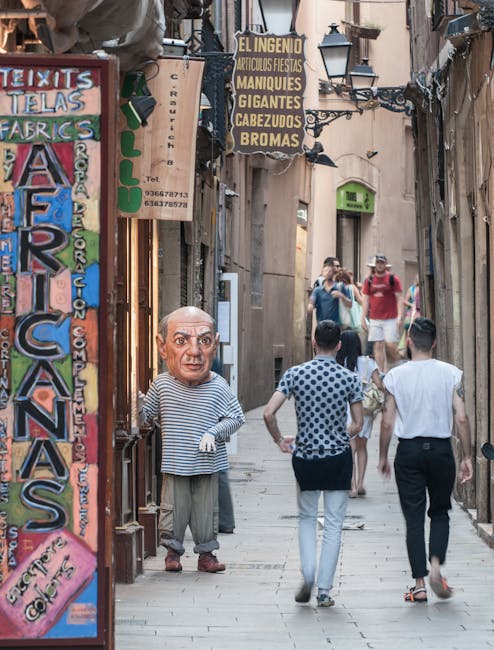
Remember each neighborhood has its own rhythm. The Eixample is made for long modernist strolls and shopping along Passeig de Gràcia. The Barri Gòtic and El Born invite wandering between cafés and artisan shops. Barceloneta and the seafront offer easy beach breaks by bike. Montjuïc and Tibidabo require a bit more planning — often via funiculars or cable cars — but the panoramic payoff is worth it.
Lastly, safety and preparation are key: protect your belongings, allow time for connections and check schedules ahead of time. It’s worth the effort: experiencing Barcelona smartly means longer days, less stress and vivid memories — not endless journeys. Safe travels, and enjoy every cobblestone, dish and view Barcelona has to offer.