





Introduction — Why this « against-the-grain » guide to biking in Barcelona
Barcelona is a city of contrasts: famed for La Rambla, the spectacular avenue that draws millions of visitors, it’s also a compact metropolis where distances are often shorter than they look. Still, many travelers—and even some locals—default to the metro for getting around. This contrarian guide makes a simple but powerful case: in Barcelona, a bike is often faster, more convenient and simply more pleasant than the metro for a lot of urban trips. Here I’ll explain how, why and when you should swap a metro stop for two wheels.
We’ll get practical: typical routes (Plaça de Catalunya ↔ Barceloneta, Passeig de Gràcia ↔ Sagrada Família), points of interest, exact prices for transport options (single metro ticket, regular and electric bike rentals), timetables to know and practical safety tips. You’ll also find recommended cycling arteries — like Avinguda Diagonal and Passeig de Sant Joan — and vivid descriptions of what it really feels like to cross Barcelona on a bike: the click of cobbles near the port, the scent of the sea around Barceloneta, the gentle climbs toward Gràcia. This guide is aimed at efficiency-minded visitors as well as anyone who wants to rediscover the city off the main tourist tracks.
The goal isn’t to crown cycling as a one-size-fits-all solution—there are trips where the metro stays unbeatable (late-night trips when services are limited, long transfers, or when you’re hauling heavy luggage). But for most inner-city journeys, especially in the center and adjacent neighborhoods, biking can save real time, avoid transfers and get you right to streets that metro stations don’t serve. Cycling also delivers a sensory experience: spotting the modernist façades on Passeig de Gràcia, turning at the last minute for a coffee on Carrer de Verdi, or stopping at Barceloneta beach—things you can’t do on the metro.
In this guide you’ll find precise numbers and addresses, transparent price ranges and official hours, plus tried-and-tested local tips: where to park your bike, how to avoid crowded zones (for example the central part of La Rambla) and when to prefer an e-bike over a traditional one. I’ll show safe, fast routes and explain why, sometimes, cycling from Plaça de Catalunya (Plaça de Catalunya, 08002 Barcelona) to Barceloneta beach (Passeig Marítim de la Barceloneta, 08003 Barcelona) can be quicker than hopping off at the nearest metro station and walking.
1) Speed and practicality: when a bike beats the metro door-to-door
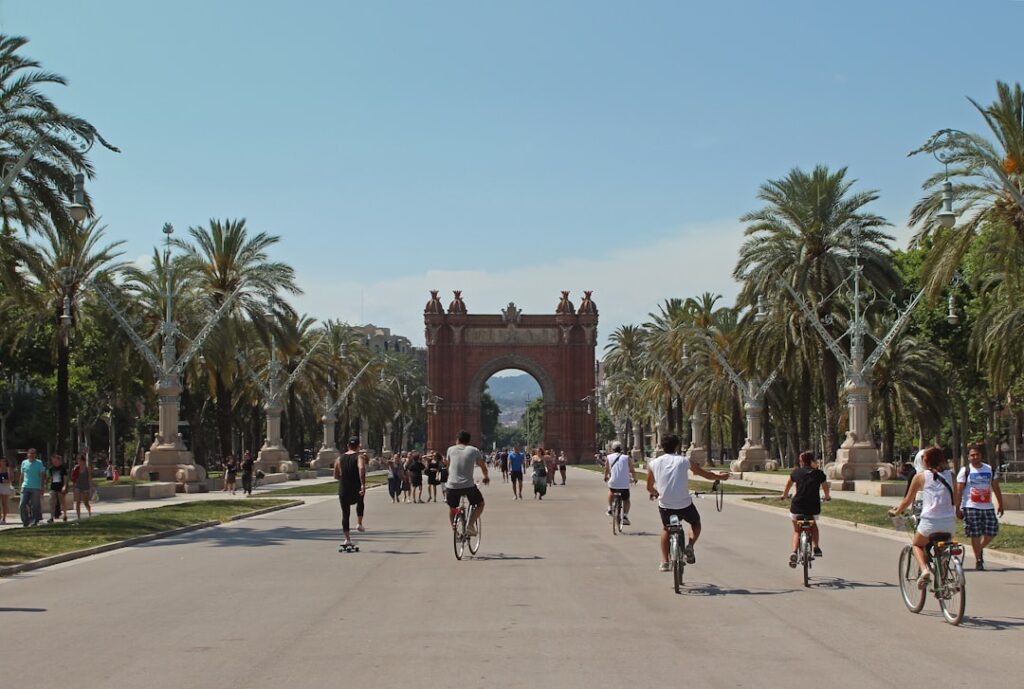
Real time matters. Many travelers measure time in door-to-door minutes: minutes to leave your accommodation, walk to the station, wait for the metro, travel, then the final walk to your destination. Typical example: a hotel in the Eixample near Passeig de Sant Joan (Passeig de Sant Joan, 08009 Barcelona) and a meeting at Barceloneta beach (Passeig Marítim de la Barceloneta, 08003 Barcelona). By metro you walk 8–12 minutes to the « Girona » station (Carrer de Girona, 08009) or « Arc de Triomf » (Avinguda Vilanova, 12, 08003). You wait, possibly change lines, get off and walk another 10 minutes. Total: often 30–40 minutes. By bike it’s a direct 20–25 minute crossing via Passeig de Sant Joan, Plaça de Tetuan and Carrer de la Marina, with no transfers or waiting.
Another common route: Plaça de Catalunya (Plaça de Catalunya, 08002 Barcelona) → Sagrada Família (Carrer de Mallorca, 401, 08013 Barcelona). On the metro (L3 + L2 depending on connections), expect 20–30 minutes door-to-door; by bike it’s 12–18 minutes via Carrer de Pelai and Gran Via de les Corts Catalanes, using well-marked bike lanes. You’ll notice the time savings most during rush hours (08:00–10:00 and 17:00–19:00), when the metro is packed and walking through stations adds minutes.
Price comparison: a single TMB ticket for metro/bus costs €2.40 (standard fare across the Transports Metropolitans de Barcelona network). For bikes, several options:
- Bicing (public bike-share reserved for registered residents; annual subscription varies) — not ideal for tourists, requires a local registration.
- Donkey Republic (app): typically €0.10–0.20/minute or around €8–15/day depending on the fleet and season. Promotional deals often available.
- Local rentals (e.g., Rider Barcelona, Born Bike Tours rental desks): standard bike roughly €10–15/day; electric bike €25–40/day. Typical rental shop in the Born: Carrer dels Banys Nous, 10, 08003 Barcelona (approx hours 09:00–20:00).
Note: for short, repeated trips over half a day, hourly rentals or a Donkey Republic pass often cost less than a round-trip taxi and give you total flexibility. If you’re two or three people, the per-person cost becomes very attractive.
2) Cycling network, safety and the best routes to know
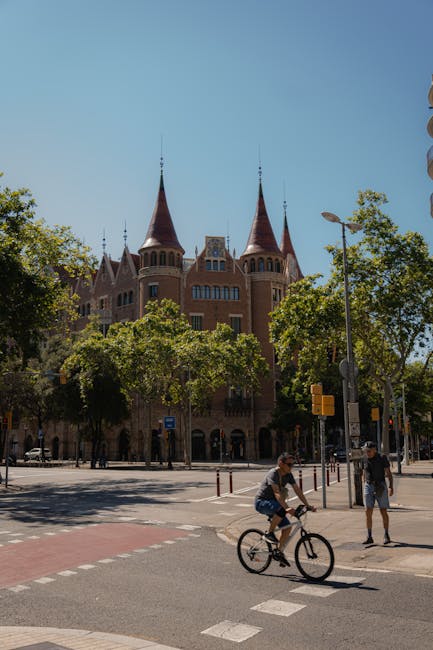
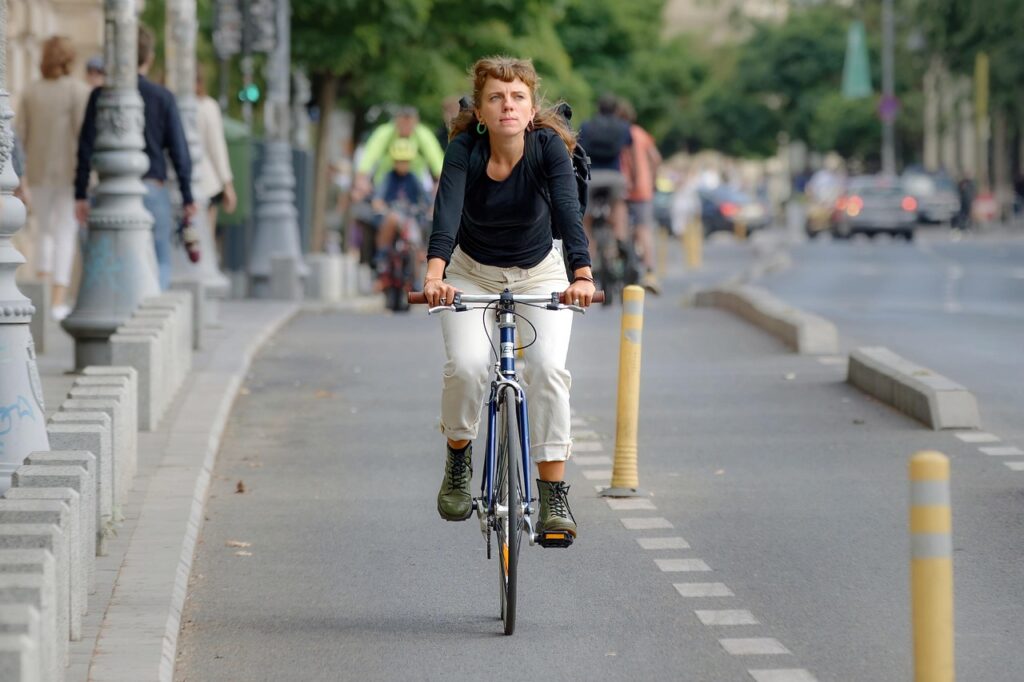
Barcelona has invested heavily in cycling infrastructure. In 2024–2025 the city features continuous lanes on strategic corridors: Avinguda Diagonal, sections of Passeig de Gràcia, Passeig de Sant Joan, Gran Via de les Corts Catalanes, and a coastal cycling link toward Barceloneta. These routes let you connect central neighborhoods — Eixample, Gràcia, El Born, Poblenou — without venturing into heavy-traffic streets. Bike lanes are usually red, marked on the road and signed for cyclists.
Recommended routes and difficulty levels:
- Passeig de Sant Joan → Arc de Triomf → Barceloneta: flat, safe, very popular with cyclists and ideal for beginners (15–25 minutes depending on start point).
- Avinguda Diagonal → Passeig de Gràcia → Plaça de Catalunya: good for reaching business and shopping areas. Watch a few crossings but a separated lane is present for most of the route.
- Carrer de Mallorca / Carrer d’Aragó (toward Sagrada Família): moderate traffic in places; be mindful of buses and taxis; continuous lanes on some stretches.
- Poblenou → Platja de Bogatell → Barceloneta: great for combining travel and a seaside break, with continuous lanes along the waterfront.
Local safety tips:
- Wear a helmet if you’re not comfortable in busy traffic. While not mandatory for adults, it’s strongly recommended.
- Use lights and signal your turns; local drivers generally respect cyclists if your signaling is clear.
- Avoid rush hours where possible. Lanes are usable but can be crowded between 08:00–09:30 and 17:30–19:00.
- Always lock your bike with a good lock (U-lock recommended). Occasional thefts occur in tourist areas, notably around Plaça de Catalunya and La Rambla.
- Park in official racks or bike parking zones to avoid fines or having your bike moved by the municipality.
3) Rentals, rates, practical addresses and how to choose the right bike
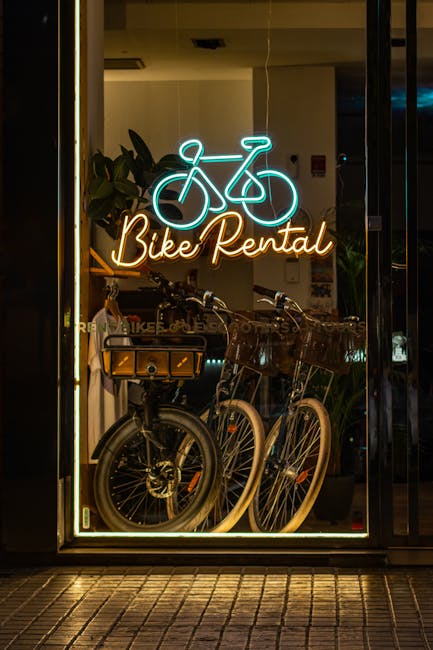
Picking the right rental is key. Here’s a practical roundup with example addresses, opening hours and price ranges to help you plan:
- Donkey Republic (app) — app-based system widely used: indicative prices €0.10–0.20/minute; daily packages €8–15/day. Pickup points scattered across the center (examples: Plaça de Catalunya 1, 08002 Barcelona, pick up via QR code; availability 24/7 depending on the station).
- Born Bike Tours (rental desk) — handy for exploring El Born: Carrer dels Banys Nous, 10, 08003 Barcelona. Hours generally 09:00–19:00. Standard bike €10–15/day, electric bike €30–40/day.
- Green Bikes / Touring Bikes (local shops in the Eixample) — example pickup point: Carrer de Mallorca, near Passeig de Gràcia (hours 09:00–20:00). Rates similar to the options above.
- Bicing stations (municipal) — reserved for registered residents, annual subscription varies; check official site bicing.barcelona. Not suitable for short-stay visitors without local registration.
How to choose:
- For quick trips and multiple stops in one day: a regular bike (€10–15/day) is usually fine.
- To save effort on hills (Gràcia, Tibidabo) or if you plan long distances: an electric bike (€25–40/day) is recommended.
- If you’ll do intense sightseeing and encounter stairs or cobbles (Barri Gòtic), go for a nimble, light bike; families may want child-seat or trailer options (available on request).
Practical pickup notes and condition checks:
- Check brakes, tires and lights before you leave. Ask for a chain or solid lock (e.g., U-lock): it may be included or charged as an extra deposit of €2–5.
- Shop hours: most open 09:00–19:00; some offer later service in summer up to 22:00. Apps like Donkey Republic operate 24/7 as long as bikes are available.
- ID and deposit: expect to leave a card pre-authorization or a cash deposit (€50–200 depending on the fleet).
4) Typical routes, local tips and metro alternatives
Here are concrete routes with estimated times and local tips to avoid common traps:
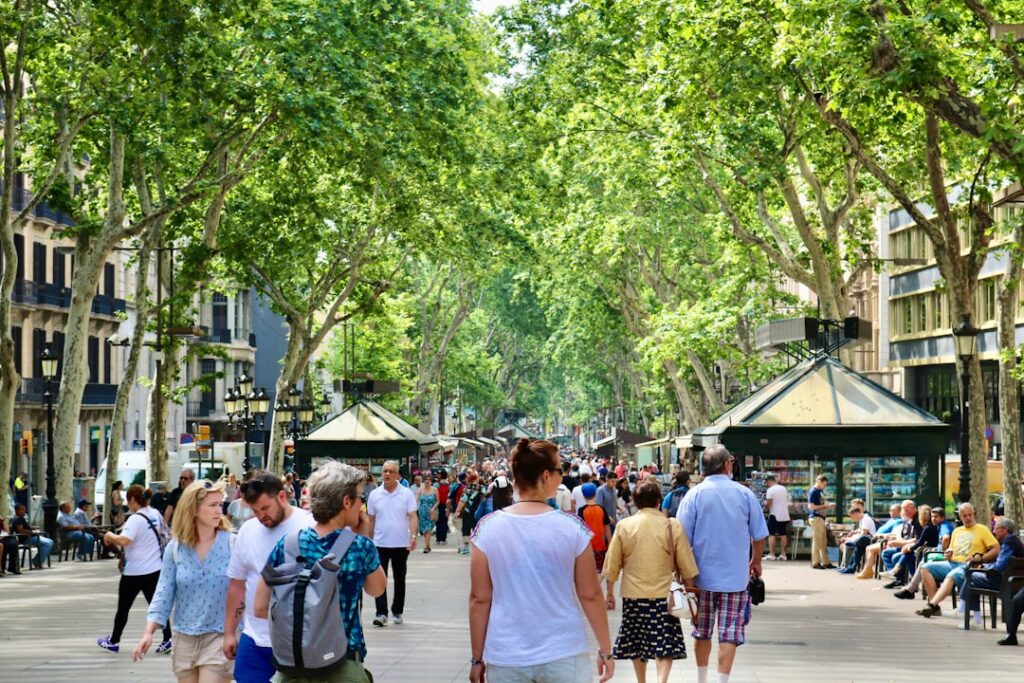
- Plaça de Catalunya (Plaça de Catalunya, 08002 Barcelona) → La Barceloneta (Passeig Marítim de la Barceloneta, 08003 Barcelona): 20–25 minutes by bike via Via Laietana and Passeig de Colom. Local tip: avoid central La Rambla if you want to save time — it’s pedestrianized but extremely crowded; prefer Via Laietana north of La Rambla for smoother progress.
- Passeig de Gràcia (Passeig de Gràcia, 08007 Barcelona) → Sagrada Família (Carrer de Mallorca, 401, 08013 Barcelona): 12–18 minutes via Carrer de Mallorca; use bike lanes on Gran Via. Tip: make a quick stop on Carrer de Provença for a striking side view of the Sagrada Família before you enter the pedestrian zone.
- Estació de Sants (Plaça dels Països Catalans, s/n, 08014 Barcelona) → El Born (Carrer dels Banys Vells, 10, 08003 Barcelona): 18–25 minutes via Gran Via and Passeig de Sant Joan; avoid peak times on Gran Via and use parallel lanes for a calmer ride.
Alternatives to the metro:
- Tram (TRAM): useful for trips along Avinguda Diagonal and toward the southeast (Poblenou). Trams can be more spacious for bikes depending on the line and schedule (check local rules). Fares: single ticket €2.40 (TMB), same general fare network.
- Bus: many lines accept folding bikes; standard buses don’t always take non-folding bikes due to space limits.
- Taxi / ride-hailing: fast but pricier; expect €10–20 for most inner-city trips. Official taxis are black and yellow, with ranks visible at Plaça de Catalunya and airports.
Local tips:
- Avoid cycling on La Rambla — it’s perfect for strolling but slow and crowded for bikes. Use adjacent streets (Carrer de Ferran, Carrer de la Boqueria) if needed.
- Use small streets in El Born and Gràcia for a more authentic experience: you’ll find cobbles, cafés and independent shops but ride slowly to respect pedestrians.
- Check the weather: the sea breeze (garbí) can slow you along the coast; an e-bike compensates well for that kind of wind.
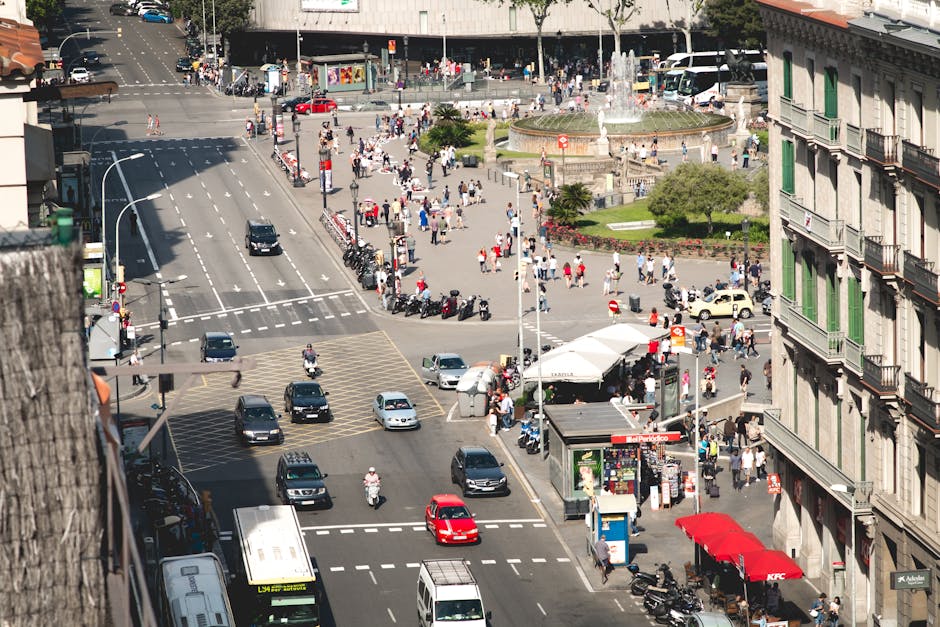
Conclusion — Biking as an urban strategy and immersive experience
Changing habits takes practice, but in Barcelona cycling often proves the best strategy to save time, avoid stressful transfers and enjoy a city that reveals itself through wind and urban sounds. We’ve seen that for typical inner-city routes — Plaça de Catalunya ↔ Barceloneta, Passeig de Gràcia ↔ Sagrada Família, Estació de Sants ↔ El Born — the bike is not only competitive timewise but it also enriches the experience. Costs are modest: €10–15/day for a regular bike or €25–40/day for an e-bike lets you make multiple stops without hunting for a metro station or waiting to change lines.
The cycling infrastructure in the city (Avinguda Diagonal, Passeig de Sant Joan, the seaside routes) makes biking accessible and relatively safe, provided you follow common-sense rules (helmet recommended, strong lock, obey lights). Metro hours and fares remain useful: single TMB ticket €2.40 and general metro schedules (TMB Metro: Mon–Thu 05:00–24:00, Fri 05:00–02:00, Sat continuous 24h service, Sun 05:00–24:00), but those figures don’t capture the extra time lost in transfers and walking.
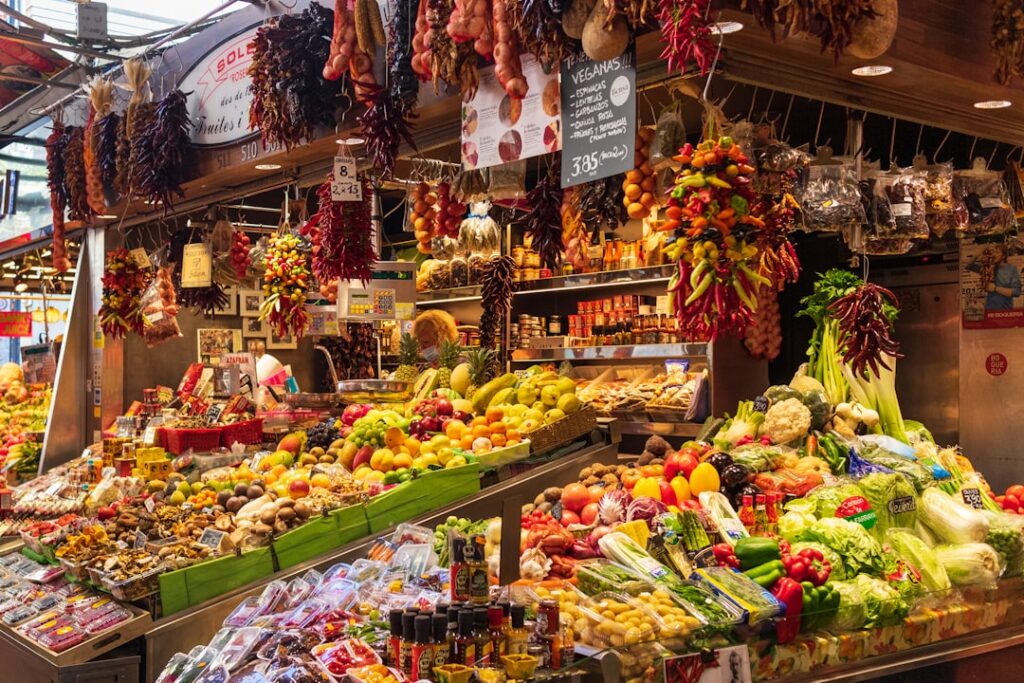
For visitors focused on efficiency and quality of experience, the bike becomes an instrument of freedom: it helps you avoid the crowds on La Rambla when you need to move, reach a hidden terrace in Gràcia, or park in front of a market like La Boqueria (La Boqueria, La Rambla, 91, 08001 Barcelona) for a food stop. Beyond time savings, cycling supports a more sustainable urban rhythm—often greener and more rewarding.
Final tip: if you’re staying 2–3 days or more, combine modes: use the metro for very long or late-night journeys, and choose a bike for daytime trips. Take the time to try a route suggested here (e.g. Passeig de Sant Joan → Barceloneta) and compare time, cost and enjoyment for yourself. Barcelona—where modernism meets the sea—lends itself beautifully to this mindset: sometimes forget La Rambla, hop on a bike and discover a city that flows.