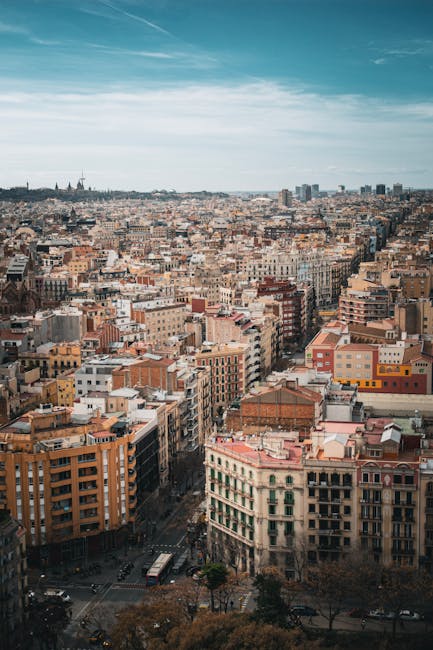






[OFF THE BEATEN PATH] Skip La Rambla: 5 Neighborhoods More Authentic Than the Centre
Introduction
La Rambla is undeniably Barcelona’s postcard boulevard: lively, crowded, and very theatrical. But if you’re after a more nuanced, local, and less staged experience, stepping off that tourist current is a must. This guide takes you off the beaten path through five neighborhoods where everyday Barcelona life still breathes — markets that smell of olive oil and fresh herbs, cafés that serve regulars reading the paper rather than just Instagram shots, and squares where kids still kick a ball around. The goal isn’t simply to dodge crowds, but to meet the city from other angles: neighborly communities, niche shops, small plazas, and terraces where you can sip vermouth like a local.
Each section below zooms in on a specific neighborhood: practical addresses (markets, museums, bars, notable streets), typical opening hours, price ranges in euros, and concrete tips to make the most of your visit. You’ll find useful reference points (nearby metro stops, off-peak recommendations), food suggestions (dishes to try, budget for a meal), and cultural tips (local museums, walks). The approach is deliberately pragmatic: I explain not just what to see, but how to get there, the best time to go, and what makes each place different from its touristier neighbors.
Why these five areas? Because each offers a distinct palette: Gràcia keeps a village-like atmosphere with shady plazas; El Born blends medieval heritage with cutting-edge dining; Poble-sec is the realm of tapas and experimental theater; Sant Antoni represents the revival of popular markets; Poblenou mixes beaches, artist studios and rehabilitated industrial landmarks. Together they form a coherent alternative to La Rambla: from intimate squares to covered markets, small galleries to urban viewpoints, always close to the residents who bring these places to life.
This guide is modular: use it as a one-day outing (pick 2–3 nearby neighborhoods) or spread it over several days. Addresses and opening hours were current at the time of writing, but check online a few days before you travel — schedules can change with the seasons. For photographers and the curious: I’ve dropped visual cues to help you imagine scenes and plan your shots.
1. Gràcia: village squares, markets and neighborhood cafés
Gràcia is often described as a village within Barcelona. Away from the main tourist avenues, its narrow streets and squares — Plaça del Sol, Plaça de la Vila, Plaça de la Revolució de 1868 — keep a strong neighborhood pulse. Start by wandering around Plaça del Sol (Plaça del Sol, 08012 Barcelona), especially lively in the evenings with cafés, tapas bars and benches where students, young families and longtime residents mingle.
For a food fix, head to the Mercat de la Llibertat (Plaça de la Llibertat, 27, 08012): a renovated covered market selling fresh produce, fishmongers and small preserves stalls. Typical hours: Monday to Saturday 08:00–14:00, some stalls open Wednesday and Friday mornings, and some may open in the evenings depending on the season. Prices: fruits and vegetables from around €1.50/kg depending on season, fish fillets roughly €8–18/kg.
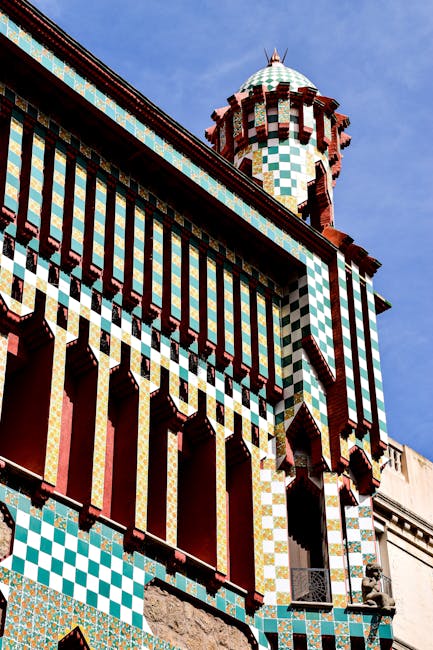
Also visit Casa Vicens (Carrer de les Carolines, 20-26, 08012 Barcelona), Gaudí’s first major commission turned house-museum. Hours: usually 10:00–20:00 (last entry 19:00). Admission: about €16 (full price), concessions for students and seniors. The visit highlights Gaudí’s use of ceramics and private spaces — a quieter alternative to the crowds on Passeig de Gràcia.
Local tips: wake up early for a morning coffee at a local roastery (espresso costs about €1.40–1.80). On Saturday mornings, stroll the Mercat de la Llibertat before restaurants fill up — it’s the best time to soak in the authentic atmosphere. Getting there: Fontana (L3) and Joanic (L4) metros serve the area; from Plaça Catalunya it’s 15–20 minutes by metro.
2. El Born: medieval streets, bistronomy and small galleries
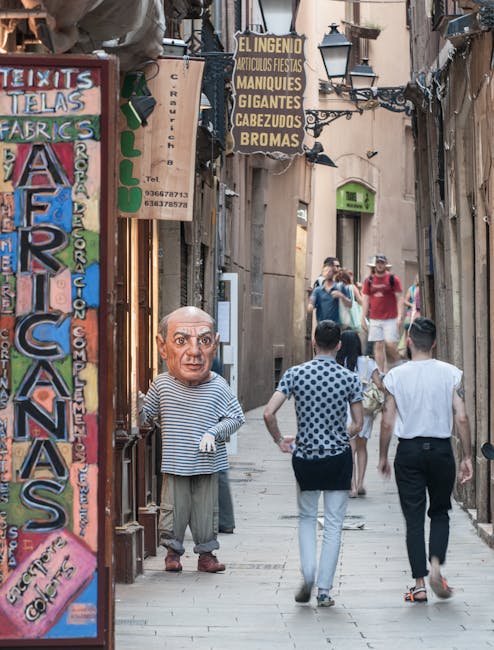
South of the Gothic Quarter, El Born (part of Ciutat Vella) combines history and avant-garde culture. Walk along Carrer Montcada (Carrer de Montcada, 08003) to admire medieval palaces and find the Museu Picasso (Carrer Montcada, 15-23, 08003 Barcelona). Hours: typically 10:00–19:00 (closed Mondays), full price around €12 (some Sunday afternoons may be free depending on programming). The collection focuses on Picasso’s formative years and offers an intimate look at his development.
Don’t miss Santa Maria del Mar (Plaça de Santa Maria, 1, 08003), a 14th-century Gothic basilica that’s often less crowded than the cathedral. Opening times: 09:00–13:00 and 17:00–20:00 (varies with services). Cultural visit fee: €5–6.
El Born is packed with great little places to eat. Try Cal Pep (Plaça de les Olles, 8, 08003) for lively, shareable tapas — budget around €20–35 per person depending on what you order. Another classic is El Xampanyet (Carrer de Montcada, 22, 08003) for a vermouth and preserved fish — plan for about €12–20.
Tips: visit galleries on Carrer dels Carders or the Fundació Felip Neri in the morning if you’re after contemporary works. Avoid 13:00–15:30 if you want to skip the lunch rush. Metro stops: Jaume I (L4) and Barceloneta (about a 10-minute walk). For a different perspective, walk to Parc de la Ciutadella (Passeig de Picasso), where you’ll often find musicians and weekend art markets.
3. Poble-sec: tapas, Carrer de Blai and lively nights
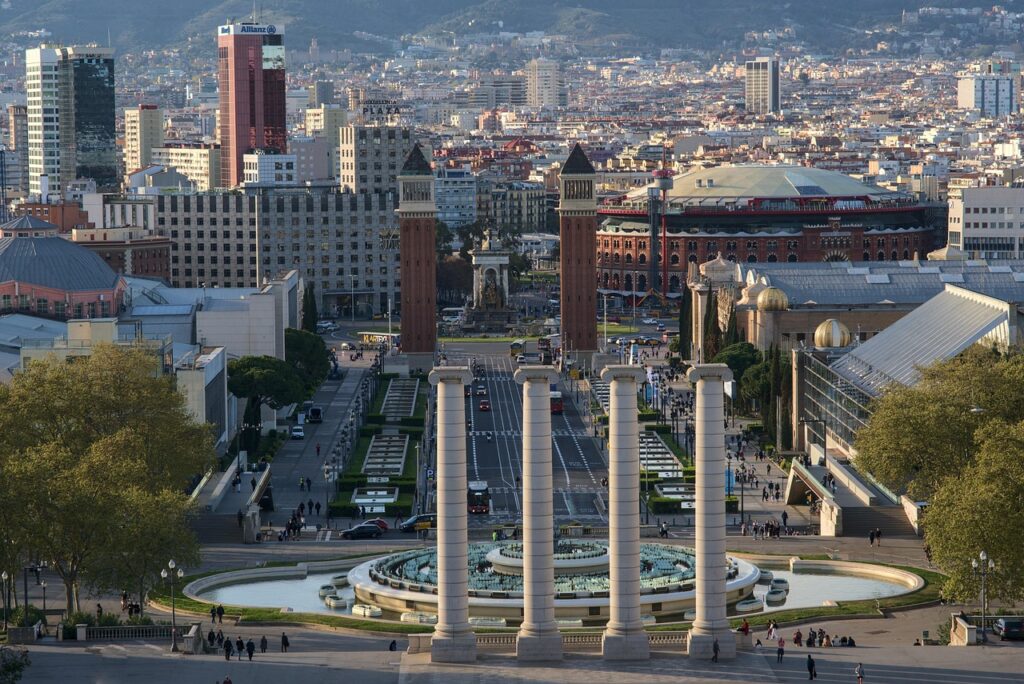
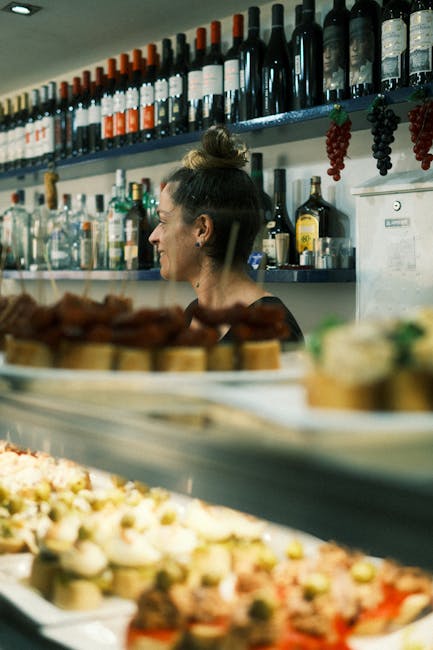
Poble-sec, on the slopes of Montjuïc, is the neighborhood for small theaters, pintxo bars and cultural initiatives. Its gastronomic hub is Carrer de Blai (Carrer de Blai, Poble-sec, 08004), a pedestrian street lined with pintxo bars where individual bites often cost €1–3. Great for a budget-friendly tapas crawl: expect €15–25 per person if you sample 4–6 pintxos and share plates.
Theater and the alternative scene are strong here: the Teatre Grec (Avinguda de Miramar, s/n, 08038 Barcelona), an open-air venue, hosts a summer program (Festival Grec) with ticket prices ranging from about €10 to €40. For more intimate experiences check small venues at the Institut del Teatre or nearby performances linked to the Gran Teatre del Liceu (though the Liceu’s main stage is nearer La Rambla, shows and rehearsals often spill into local spaces).
For a drink, try Bodega 1900 (Carrer de Tamarit, 91, 08015) — an authentic vermouth bar from Albert Adrià’s team — vermouth about €4–6, tapas €3–8. Hours are often 09:00–22:30, though some nights they stay open later; check ahead.
Local tip: climb up to Montjuïc via the stairs or take the cable car from Avinguda de Miramar (round-trip cable car tickets roughly €8–12) for panoramic views of the port and city without the crowds at the Columbus viewpoint. At night Poble-sec comes alive: opt for a tapas route followed by a small concert rather than a formal dinner — the vibe here is less touristy and more creative. Metro: Poble Sec (L3).
4. Sant Antoni: renovated market and cafés for remote work
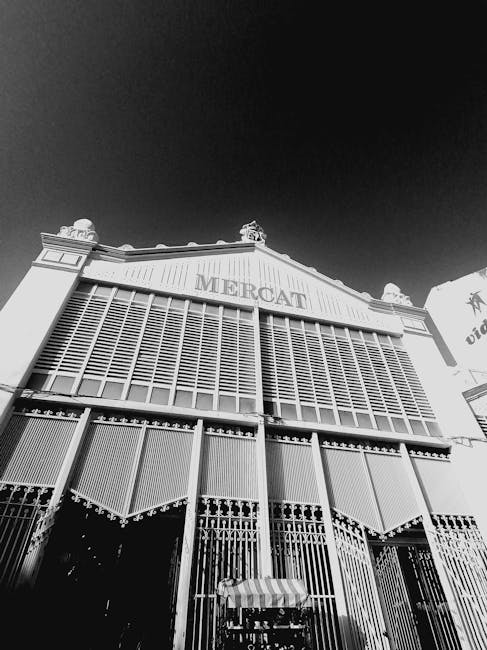
Sant Antoni represents a successful revival of a popular neighborhood: covered markets, curated bookstores and cafés where people work late into the day. The Mercat de Sant Antoni (Carrer del Comte d’Urgell, 1, 08011 Barcelona) is the neighborhood’s heart. Renovated and modern, it offers food stalls in the mornings and a large secondhand book and stamp market on Sundays. Hours: food market typically 08:00–20:00 on weekdays; book market Sunday mornings. Prices: quick tapas and market dishes €3–8, fruit baskets €2–5.
For coffee and remote working, try Federal Café (Carrer del Parlament, 39, 08015 Barcelona — on the Sant Antoni/Paral·lel edge): breakfast €6–12, lunches €10–16. Hours usually 08:00–18:00, great for light coworking. The bookstore Laie (Passatge de la Concepció, 4, 08008 — nearby) often hosts talks and book signings. Sant Antoni’s Sunday book market is perfect for digging through bargains: secondhand books from €1, comics and vinyl at varying prices.
Practical tips: arrive early at the market to beat the crowds and get the best produce. The neighborhood is served by Sant Antoni (L2) and Poble Sec (L3) depending on where you’re headed; it’s a 10–15 minute walk from Plaça Catalunya. For an affordable dinner, look for family-run taverns: pasta or fish dishes typically €12–20 per person. Local hint: many bars host acoustic nights and meetups in the evenings — check local Facebook pages for weekly listings.
5. Poblenou: artist studios, Rambla del Poblenou and the beach
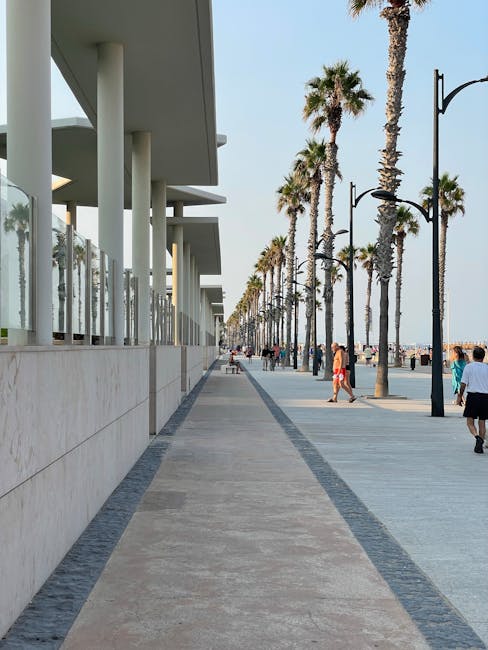
Poblenou has reinvented itself: former factories turned into lofts and galleries, long palm-lined avenues and a local rambla that leads to the sea. Start on the Rambla del Poblenou (Rambla del Poblenou, 08005), a pleasant spot for a morning walk with cafés and bakeries. Nearby cultural sites include the Can Framis Museu d’Art Contemporani (Carrer de Roc Boronat, 116-126, 08018 Barcelona). Hours: usually 11:00–20:00; full price around €7.
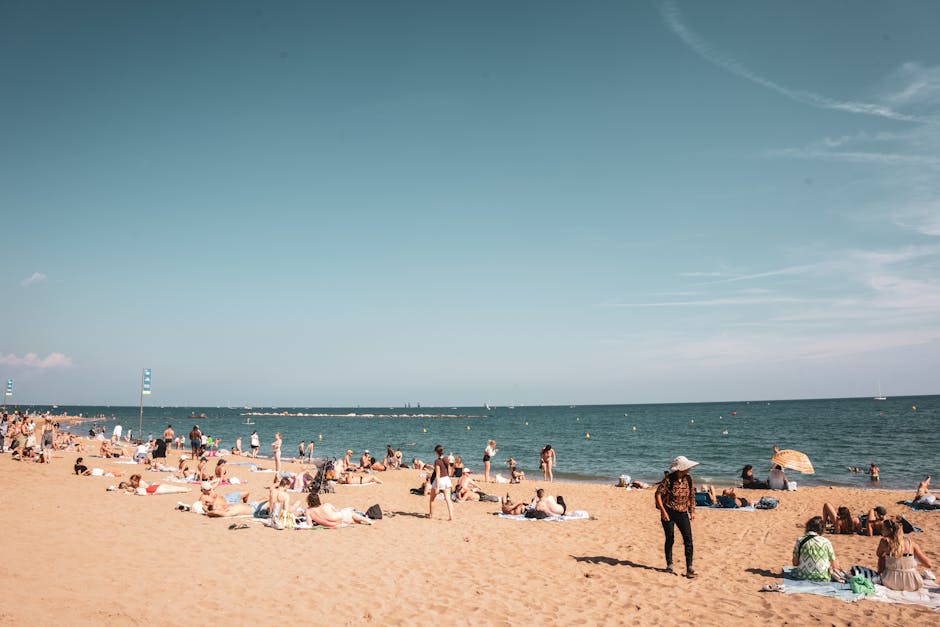
Poblenou’s beaches (Platja de la Nova Icària, Platja Bogatell) are less crowded than Barceloneta during high season. It takes 10–15 minutes to walk from Rambla del Poblenou to the sand. Seafront dining options include chiringuitos (beach bars) serving paella and grilled fish — €12–25 per dish. For a studio-lunch vibe, check the small canteens on Carrer de Pere IV where artists’ workshops sit alongside modest, creative eateries.
Tips: set aside half a day to explore the art spaces along Carrer de Pere IV (old warehouses converted into studios), often opened during « open studio » events — check local listings for dates. The area is well served by Poblenou station (L4) and tram T4. For families, the beach and nearby parks are a relaxed way to end the day, away from the tourist buses that concentrate around the central Rambla.
Conclusion
Leaving La Rambla to explore Gràcia, El Born, Poble-sec, Sant Antoni and Poblenou isn’t turning your back on the city — it’s rediscovering it. Each neighborhood offers a different kind of authenticity: Gràcia, a proud village spirit; El Born, medieval elegance and bistronomy; Poble-sec, convivial pintxos and creative scenes; Sant Antoni, a modern market and work-friendly cafés; Poblenou, a balance of beach and creative industry. The addresses listed — markets, museums, streets and theaters — are anchors to build your own routes whether you’re traveling as a couple, with family, or solo.
To get the most out of these neighborhoods: favor off-peak hours (mornings or late afternoons), alternate cultural visits with coffee breaks at local spots, and follow shop windows and plaza sounds. Check museum opening times in advance (temporary shows and photo exhibitions change often) and book ahead for Casa Vicens or major exhibitions at the Museu Picasso if needed. Budget-wise, expect roughly €10–30 per person for a simple meal in these neighborhoods, €7–16 for neighborhood museum entries, and €0–12 for activities like cable cars or certain events.
Above all, the biggest reward of these off-the-beaten-path routes is the encounters: shopkeepers who know your name, artists showing work near their studios, neighbors stretching the evening out on a plaza. Barcelona isn’t just a lineup of monuments — it’s a mosaic of people and stories. So skip La Rambla: walk, talk, eat, and let the city reveal its truest layers.