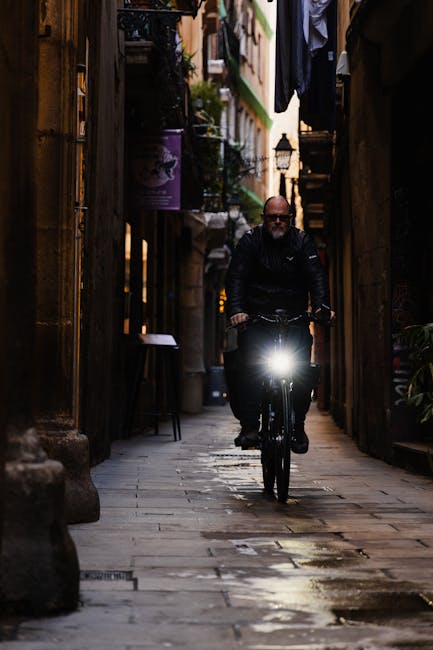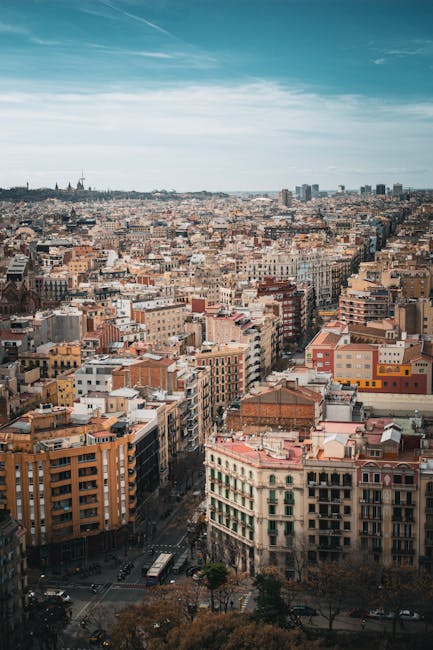






Introduction — Why a minimal metro+bike kit is essential in Barcelona
Getting around Barcelona by combining the metro and a bicycle is one of the fastest, most efficient and enjoyable ways to cross the city. But it requires a little planning: dense crowds, pickpockets in tourist areas, bike lanes that sometimes stop, and the need to fold or carry a bike on the metro mean that small details often make or break a trip. This practical guide gives you a minimal kit and an operational checklist—addresses, indicative prices, opening hours, numbered steps and hands-on local advice—so you can head out tonight with just the essentials and arrive safely and stress-free.
We’ll cover: what to pack in your bag (tools, security, ID), how and where to buy and validate transport tickets (where, how much, opening hours), which types of bikes work best for a metro+bike combo (folding, e-bikes, short-term rentals), how to lock and secure your bike in sensitive neighbourhoods, and useful addresses (workshops, shops, Bicing stations and rental points). Information includes exact locations such as Plaça de Catalunya, Estació de Sants, Decathlon L’Illa Diagonal, plus prices in euros so you can act straight away.
Every recommendation is practical: for example, if you ride the metro with a non-folding bike, where to wait to board (ramp, wide door), how to stow it during peak hours, and how to use the Bicing public bike network (if you’re a resident or subscriber). The checklists are designed to be printable or copied into your phone. You’ll also find advice on choosing a lock—a critical factor in areas like La Rambla or El Raval—and addresses for workshops that open early or late for urgent repairs.
This guide prioritizes practical steps over theory: clear, step-by-step instructions, concrete schedules (e.g. metro operating windows) and up-to-date prices. It also includes visual tips to help you recognise key spots (photos to take, landmarks to watch for). If you have a folding bike, a minimal kit can fit in a backpack; with a standard bike you’ll likely need a heavier lock and to spot secure racks in advance. At the end, a concise checklist helps you verify everything before you leave.
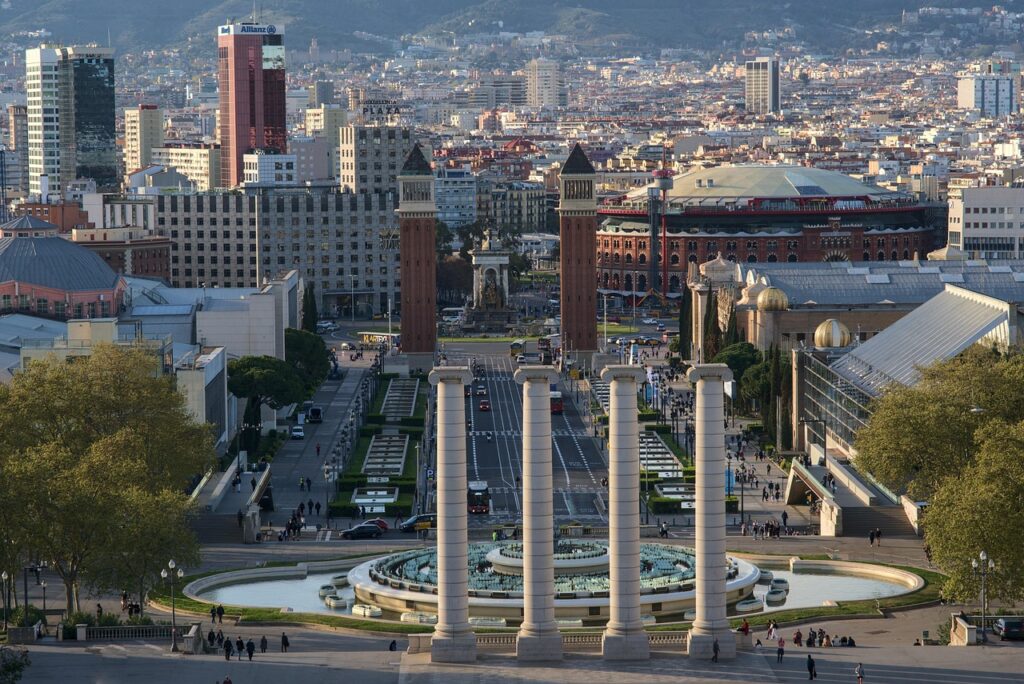
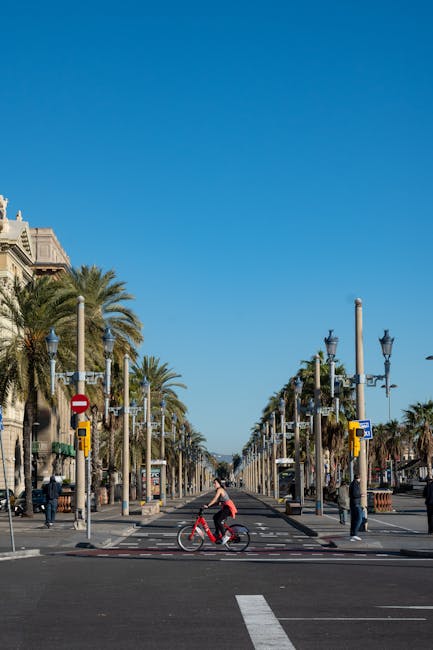
1) Minimal gear to bring — detailed, quantified checklist
Here’s the minimum you should carry for a safe, efficient metro+bike trip in Barcelona. Each item includes an approximate price in euros and a local buying tip (address and hours when relevant).
- Compact waterproof backpack — €20–€60: Decathlon L’Illa (Avinguda Diagonal 557, 08029) open 09:00–21:00. Aim for a 15–20 L model with a rain cover.
- Light folding helmet — €25–€60: Available at Decathlon or Born Bike Tours & Rentals (Carrer de la Fusina 5, 08003). If you prefer to rent, BenTours (€8–€15/day depending on season).
- Short cycling gloves — €8–€20: protect your hands during sudden stops and while carrying the bike on the metro.
- USB front and rear lights — €10–€30: necessary for tunnels and underground stations; charge them before you leave.
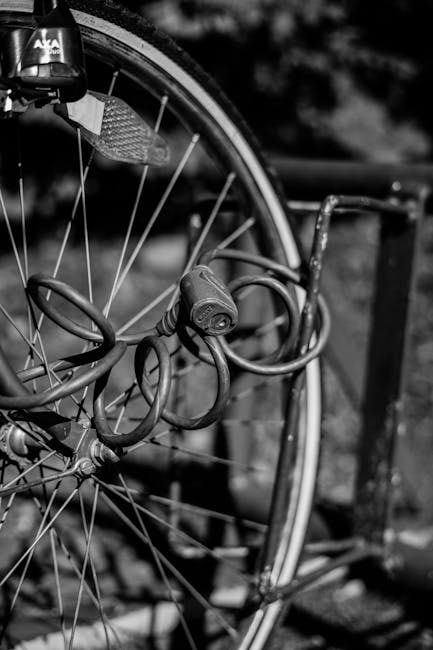
- U-lock + cable — €45–€90: the minimum protection if you leave your bike for even 30 minutes. Buy at Decathlon L’Illa Diagonal or Probike (Carrer de Balmes 10, 08007).
- Minimal repair kit — €8–€25: spare inner tube (700×28–32C for road/hybrid), tyre levers, mini portable pump. Recommended workshop: Taller Bici Barcelona (Carrer del Rec Comtal 13, 08003), open 10:00–19:00.
- Documents & payment — contactless bank card, T-casual (10 trips) or single tickets.
- Face mask & hand sanitizer — small 50 ml bottle for health/emergency preparedness.
- Reflective tag or tape — €3–€10: attach to your bag or bike for night visibility.
- Elastic bands / velcro straps — to keep loose items secured while carrying the bike on the metro.
Local tip: if you’ll use the metro frequently, buy a T-casual 10-trip card (about €11.35) at any station machine or ticket office. A single ride costs €2.40. These fares apply to urban Zone 1. Metro hours: generally 05:00–24:00 on weekdays, extended service on Friday nights and a continuous night service on Saturday — check the official TMB map for exact hours on your travel date.
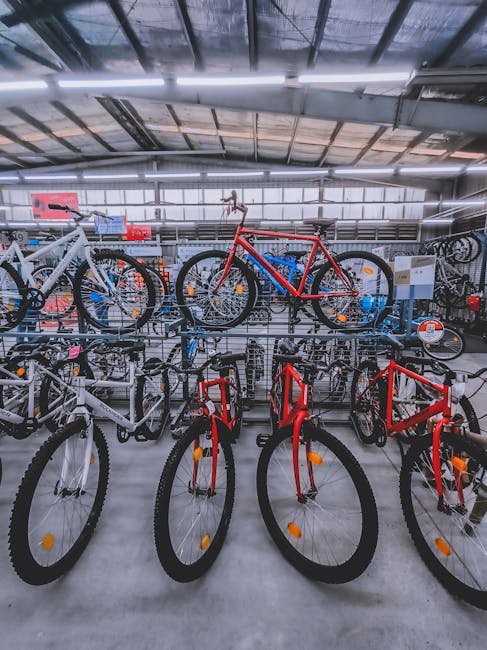
2) Buying and validating your ticket + rules for taking a bike on the metro
Step-by-step to buy your transport ticket and board the metro with a bike:
- Find a station with a ticket office or machine — examples: Plaça de Catalunya (Plaça de Catalunya, 08002), Estació de Sants (Plaça dels Països Catalans, Sants, 08014), Provença (Passeig de Gràcia, 08007). Machines accept cash and card.
- Pick the right ticket — Single urban ticket €2.40; T-casual (10 trips) ≈ €11.35; Hola Barcelona Travel Card for tourists (2–5 days) offers unlimited travel (2024 prices varied €48–€87 depending on duration). If you’re a Bicing resident/subscriber, the Bicing pass is separate from metro tickets.
- Validate before entry — tap your card/ticket at the barrier. Keep the T-casual ticket until all validations are used if you’re sharing it.
- Allowed hours for bikes — Folding bikes are permitted at all times; non-folding bikes may be restricted during peak hours (07:00–09:00 and 17:00–19:00). In practice, avoid the metro between 08:30–09:30 and 17:30–18:30 on L1, L3 and lines near Plaça de Catalunya.
- Best spots to board — look for doors with more space on the platform (check station signage), or board from terminus platforms (Estació de Sants, Plaça de Catalunya) where trains often have more room at departure.
- Onboard behaviour — hold the bike by the frame, wedge the front wheel with your foot if needed, and stand near the doors or in designated bike areas if present. Don’t block passenger flows and give priority to elderly people and prams.
Useful addresses for tickets / TMB info:
- Estació de Sants – Plaça dels Països Catalans, Sants, 08014 Barcelona — machines and ticket offices (service typically 05:00–24:00).
- Plaça de Catalunya – Plaça de Catalunya, 08002 Barcelona — major transfer hub, ticket offices and information points.
- TMB Customer Service Office, Plaça de Sant Miquel 2, 08002 — 09:00–19:00 (indicative), for cards and claims.
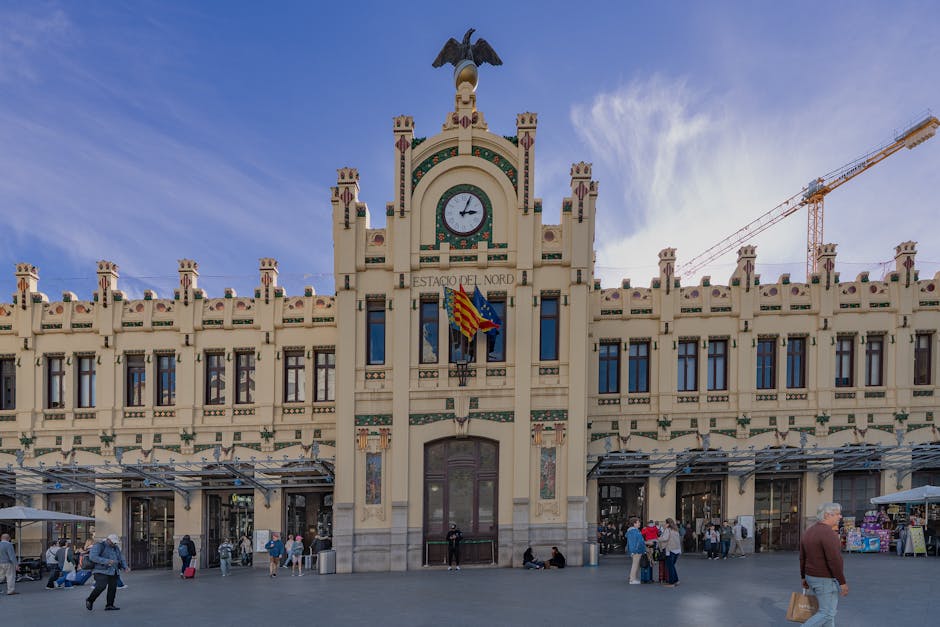
3) Typical routes and practical sequences — real examples between key points
Three typical routes (numbered steps) cover most daily needs: home-to-work, a quick sightseeing trip, and a beach combo. Each includes addresses, estimated times, costs and precise tips.
Route A — Home (Eixample) to work (Estació de Sants)
- Departure: Carrer del Consell de Cent 200 (Eixample) — strap on your helmet, check tyre pressure, put the lock away. Budget €5 for a coffee if needed.
- Ride to Provença (Passeig de Gràcia / Carrer de Provença): 8–12 minutes depending on traffic. Use the Passeig de Gràcia bike lane.
- Lock up at the south exit of Provença, secure to the bike parking area on carrer Rosselló if available.
- Validate your T-casual at the Provença station barrier (L3/L5). If you don’t have it, one trip = €2.40.
- Arrive Estació de Sants — exit toward Plaça dels Països Catalans, allow 5 minutes to fold your bike or stow your helmet.
Total time: 20–30 minutes. Cost: if you already have a T-casual, no extra cost aside from incidental purchases; otherwise single ticket €2.40.
Route B — Centre (Plaça de Catalunya) to the beach (Barceloneta)
- Departure: Plaça de Catalunya — find the bike area near the kiosks (south gate).
- Metro option: L3 to Drassanes then ride 10–12 minutes along La Rambla and Passeig de Colom; alternative: L4 toward La Pau to Barceloneta (Barceloneta station, Carrer de l’Escar 1).
- Arrival at the beach: bike racks on Ramon Trias Fargas street; use a reinforced lock (U-lock + cable) for safety.
Cost: metro €2.40 or covered by T-casual. Total time: 25–40 minutes depending on connections.
Route C — Tourist: Sagrada Família to Parc de la Ciutadella
- Departure: carrer de la Marina (Sagrada Família) — try to use the Provença bike lane where possible.
- Direct ride: 12–15 minutes via Avinguda Diagonal then Passeig de Sant Joan.
- Lock up: racks in front of Parc de la Ciutadella (Passeig de Pujades). If leaving the bike for several hours, use the best lock you have and pick a visible spot.
Tip: avoid leaving a backpack visible on the bike. Carry only the documents you need. For quick service, Taller Bici Barcelona (Carrer del Rec Comtal 13) is about an 8-minute walk.
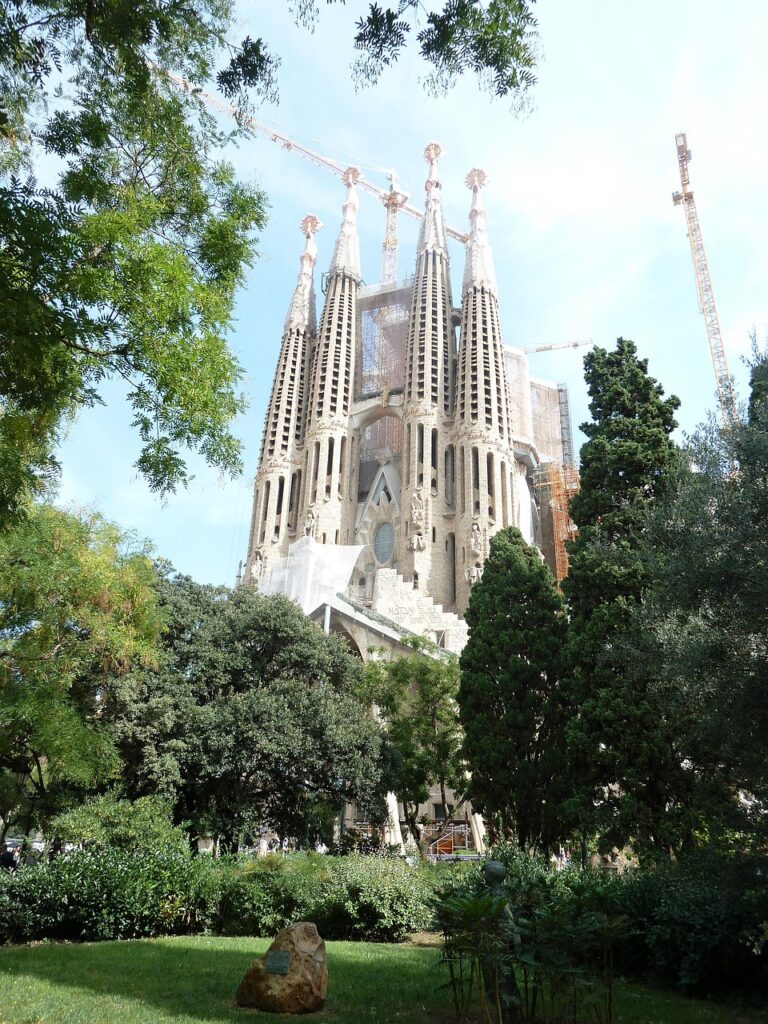
4) Security: how to lock up, prevent theft, and what to do if something happens
Security is key: Barcelona has areas with frequent bike thefts and bag snatches (around La Rambla, El Raval and other tourist spots). Here’s a practical, numbered procedure to maximise your chances of keeping your bike and belongings safe.
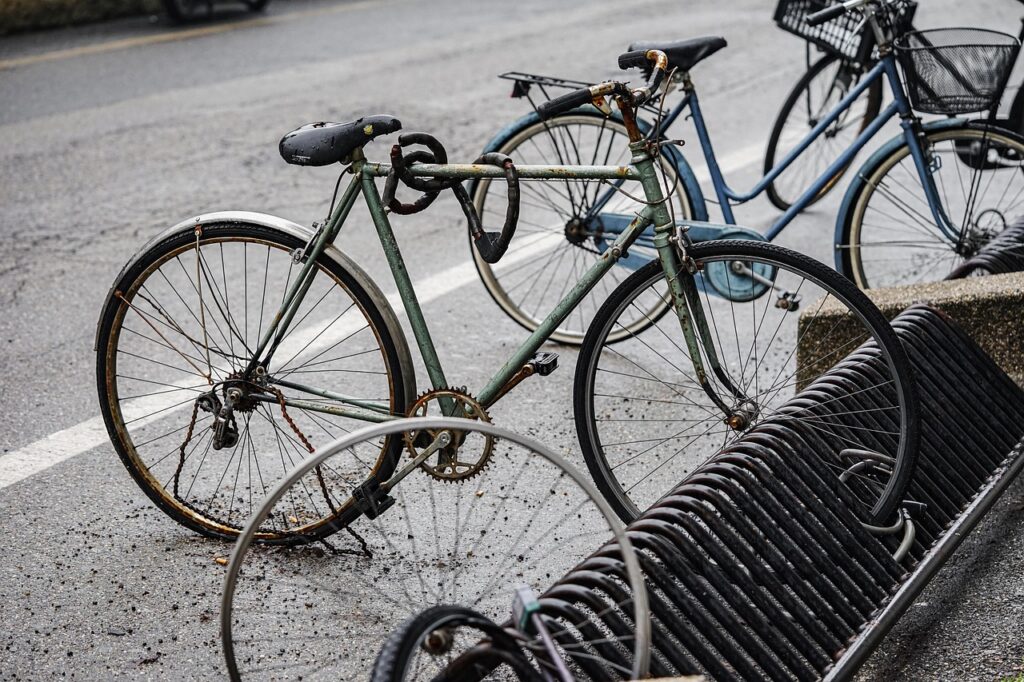
- Pick where you lock — favour ground-fixed metal racks, well-lit and busy spots. Examples: the racks at Parc de la Ciutadella (Passeig de Pujades) are good; avoid isolated corners near the Ministry of Culture close to El Raval at night.
- Type of lock — optimal combo: a U-lock (minimum €45) plus a secondary cable for wheels and seatpost (€10–€25). Recommended model: Kryptonite New-U (about €50–€80), sold at Decathlon L’Illa and specialist shops.
- Locking technique — thread the U-lock through the frame + rear wheel + rack; secure the front wheel to the frame with the cable. Position the lock with the keyhole facing down to discourage angle grinders.
- If your bike’s stolen — report it immediately to the local police (Mossos d’Esquadra: Comissaria de Ciutat Vella, Carrer de Sant Pau 120, 08001 — complaints available 24/7). Get the report number (denúncia) and ask for an English translation if you need it. Then contact your travel or home insurance.
- Personal prevention — wear a crossbody bag in front while in tourist areas, avoid displaying large electronics, and lock near an open shop if you’ll be away for a short time.
Useful addresses:
- Decathlon L’Illa Diagonal — Avinguda Diagonal 557, 08029 Barcelona — locks and gear 09:00–21:00.
- Taller Bici Barcelona — Carrer del Rec Comtal 13, 08003 Barcelona — urgent repairs 10:00–19:00 (sometimes closed Sunday).
- Mossos d’Esquadra Police Station, Ciutat Vella — Carrer de Sant Pau 120, 08001 Barcelona — file a theft report 24/7.
5) Short-term rentals, subscriptions and repair shops — where to go depending on your needs
Whether you’re a tourist, temporary resident or local, the options differ. Here’s a practical overview with addresses, indicative prices and opening hours for each solution.
- Daily rentals / tourists — Born Bike Tours & Rentals, Carrer de la Fusina 5, 08003 Barcelona. Rates: standard bikes €10–€15/day, electric bikes €30–€45/day. Hours: 09:00–19:00 (high season). For reservations, phone +34 93 319 00 44 (example).
- Bicing — public bike service — subscription for residents: official site www.bicing.barcelona. Monthly or annual plans (prices vary; annual often around €50–€120 depending on type). Example Bicing station: Passeig de Sant Joan, 08010 — available 24/7 for subscribers.
- Shops for quick purchases — Probike, Carrer de Balmes 10, 08007 Barcelona — locks, parts, open 10:00–20:00; Decathlon L’Illa Diagonal for low-cost options.
- Repair workshops — Taller Bici Barcelona (Carrer del Rec Comtal 13), Taller BikePoint (Carrer d’Entença 79) — puncture repairs and quick tune-ups, usually 10:00–19:00.
Local tip: if you’re staying more than three days, compare daily rental costs to a Bicing subscription (if you’re eligible). For a weekend, a regular rental is usually simpler, but always check the bike’s condition (brakes, gears) before setting off.
Conclusion — Practical recap and ready-to-use checklist
This guide gave you a minimal kit and concrete steps to combine metro and bike in Barcelona safely and efficiently. To recap in a few lines and with a final checklist: the essentials are a sturdy lock (U-lock + cable), a helmet, USB front/rear lights, a small repair kit, and a valid transport ticket. Plan your metro boarding to avoid peak times if you have a non-folding bike, and lock up in busy, well-lit areas.
Printable / phone-friendly checklist:
- Luggage: waterproof 15–20L backpack
- Protection: helmet (folding if possible), gloves
- Security: U-lock + cable, reflective tape
- Visibility: front light + rear USB light (charged)
- Spare: inner tube, tyre levers, mini pump
- Documents: bank card, ID, T-casual / Hola Barcelona if tourist
- Hygiene/emergency: hand sanitizer, small first aid kit
- Planning: exact destination address and nearest station (examples: Plaça de Catalunya, Estació de Sants, Barceloneta)
Quick contacts and addresses to memorise:
- Plaça de Catalunya — Plaça de Catalunya, 08002 Barcelona (major transport hub)
- Estació de Sants — Plaça dels Països Catalans, Sants, 08014 Barcelona
- Decathlon L’Illa Diagonal — Avinguda Diagonal 557, 08029 Barcelona (gear and locks)
- Born Bike Tours & Rentals — Carrer de la Fusina 5, 08003 Barcelona (tourist rentals)
- Taller Bici Barcelona — Carrer del Rec Comtal 13, 08003 Barcelona (repairs)
- Mossos d’Esquadra Police Station, Ciutat Vella — Carrer de Sant Pau 120, 08001 Barcelona (thefts, reports)
Finally, adapt this kit to the length and purpose of your trip: for a half-day of sightseeing, the bare minimum is fine; for a daily commute, invest in a high-quality lock and a good helmet. With these tools and steps you can cross Barcelona by metro and bike with few surprises—fast, cheap and often more pleasant than driving. Safe travels, and ride carefully!