





Introduction — Why choose between the metro and a bike in Barcelona?
Barcelona is a city where each neighborhood has its own vibe: from the modernist avenues of the Eixample to the medieval lanes of the Barri Gòtic, from the wide beaches of Barceloneta to the wooded hills of Montjuïc. Your choice of transport — metro or bike — will shape your trip. The metro brings speed, wide coverage and shelter from the weather, while a bike gives you total freedom, direct contact with the city and the chance to discover details you’d miss on public transport.
In this practical, in-depth guide I cover: how Barcelona’s metro network (TMB) works, fares, opening hours and key stations; bike options (Bicing, short-term rentals, e-bikes), where to rent, how much it costs and the traffic rules; an objective comparison based on time, budget, comfort and accessibility; plus concrete local tips including exact addresses, suggested schedules, immersive routes and mistakes to avoid. The goal is for you to pick the best option for your profile (short-on-time tourist, eco-minded traveler, visitor with kids or reduced mobility), or to learn how to combine both modes effectively.
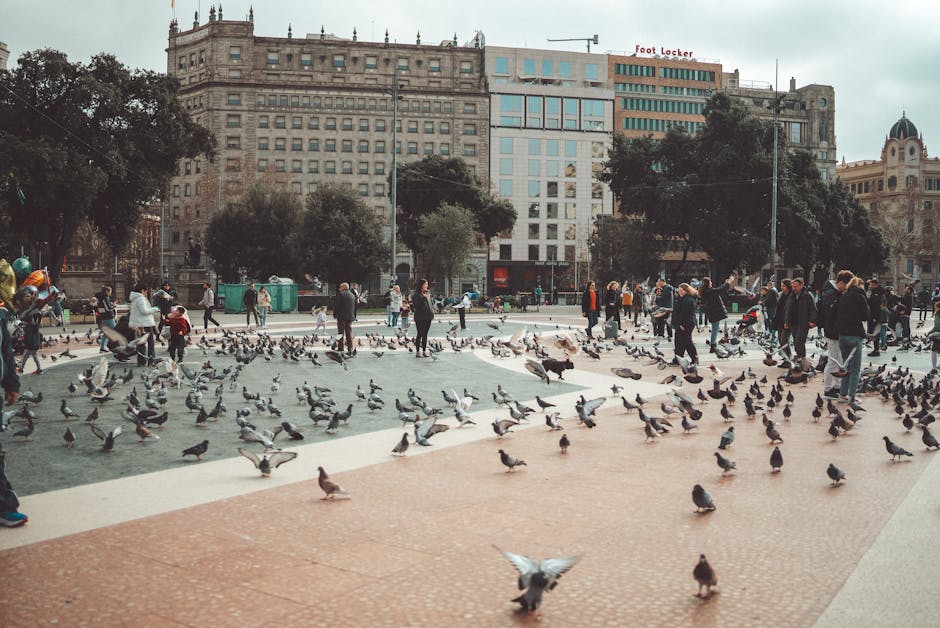
This guide also explains practical matters: how to buy metro tickets, where to find and activate a Hola Barcelona card, how to subscribe to Bicing (the city’s bike-share), which shops rent good bikes for a day or a week (including e-bikes), plus route recommendations for tourist hotspots and off-the-beaten-path sections. I give exact addresses — for example central metro hubs like Plaça de Catalunya (Plaça de Catalunya, 08002 Barcelona) — and trusted rental shops, together with price ranges in euros and typical opening hours to help you plan your days.
Finally, I include safety tips, local etiquette (pedestrians have priority at crosswalks, speed limits on cycle lanes), and advice for night trips, luggage transport and rainy days. Whether you’re in town for a weekend or a longer stay, this guide will help you decide between the metro and the bike — or teach you how to master both depending on the moment.
The Barcelona metro network: how it works, fares and key stations
Barcelona’s metro is mainly run by TMB (Transports Metropolitans de Barcelona) and efficiently serves the city and some outer neighborhoods. The main lines (L1, L2, L3, L4, L5, L9 South, L9 North, L10, L11) cover tourist areas and major transfer points. For instance, the Plaça de Catalunya station (Plaça de Catalunya, 08002 Barcelona) is a central hub served by L1 and L3, with links to many bus lines and the Renfe train station. The Sagrada Família station (Basílica de la Sagrada Família, Carrer de Mallorca, 401, 08013 Barcelona) is on L2 and L5, giving direct access to one of the city’s most visited monuments.
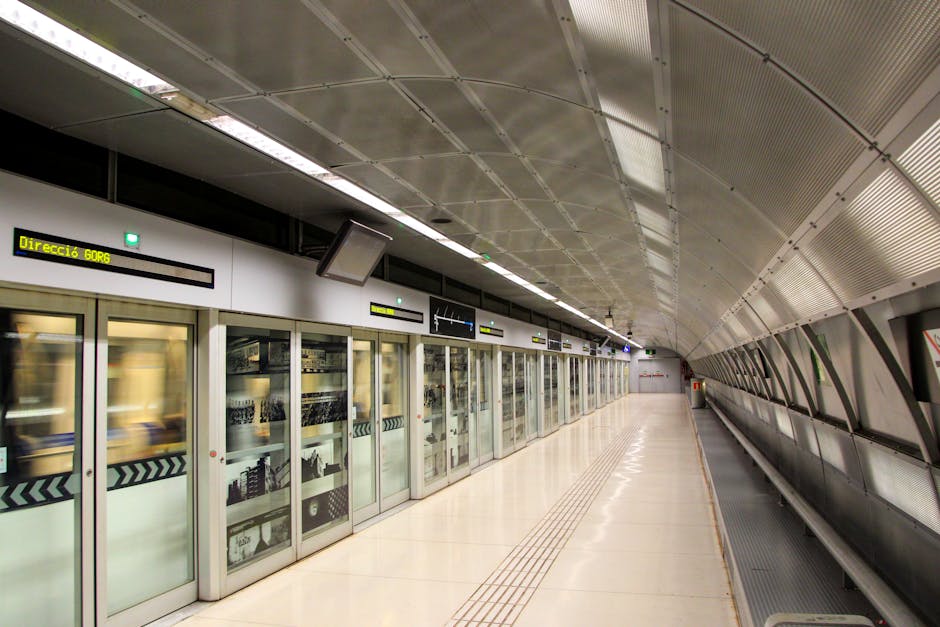
Hours: typical service runs roughly from 5:00 to 24:00 Monday–Thursday; on Fridays service is extended until around 2:00am (and continues into Saturday); Saturdays often have 24-hour service (depending on the season and events); Sundays and public holidays usually resume around 5:00 until 24:00. These times can change for local festivals or major events (e.g. La Mercè). Check the official TMB site (www.tmb.cat) for exact schedules and temporary disruptions.
Fares (indicative): a single ticket for zone 1 is about €2.40. There are multi-trip tickets: the T-Casual (10 rides, nominal) is around €11.35 for zone 1 (check tmb.cat for current names and prices). The tourist Hola Barcelona Travel Card offers unlimited travel for 48, 72, 96 or 120 hours — approximate prices: 48h ≈ €16–18, 72h ≈ €23–25 (prices vary). Children under 4 travel free, and there are discounts for youth and seniors with specific cards.
Practical tips for the metro: buy cards or tickets at the multilingual ticket machines in stations (card or cash accepted), and validate every time you enter. If you’re transferring with luggage, favor stations with elevators (e.g. Plaça de Catalunya, Sants Estació). Avoid rush hour (8:30–9:30 and 17:30–19:00) if you have large bags — consider biking or walking during those slots if possible. In case of strikes or incidents, follow updates on Twitter @TMB_Barcelona or via the TMB Info app.
Getting around Barcelona by bike: systems, prices, safety and rentals
Riding a bike is now one of the best ways to explore Barcelona at your own pace. The city has a growing network of separated cycle lanes, especially along Avinguda Diagonal, Passeig de Sant Joan, and near the beaches. The public bike-share is called Bicing and is managed by the Ajuntament de Barcelona. For short-term visitors, Bicing usually requires a local registration (annual or semi-annual subscription) and is mainly designed for residents; however, there are tourist-friendly alternatives (daily rentals and e-bikes) for travelers.
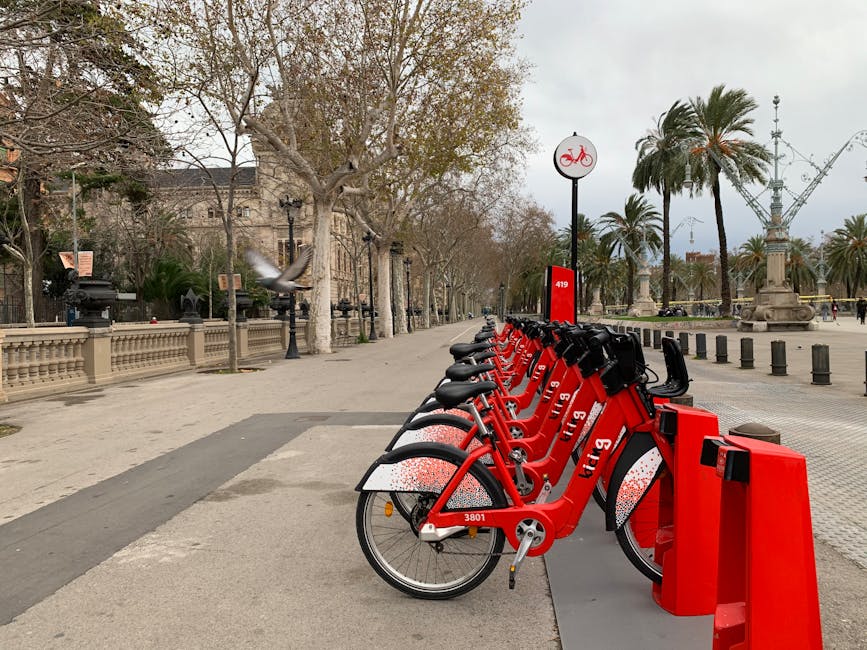
Bicing (general info): an annual subscription is roughly €50 (subject to change) with the first 30 minutes free per trip; beyond that, progressive fees apply (e.g. €0.72 for each additional 30-minute block — indicative values). Bicing stations are widespread: for example, Bicing Station Plaça de Catalunya (Plaça de Catalunya, 08002 Barcelona) or Bicing Station Passeig de Gràcia (Passeig de Gràcia, 08007 Barcelona). Registration may require a Spanish ID or proof of residency, so tourists often find it easier to rent from a private shop.
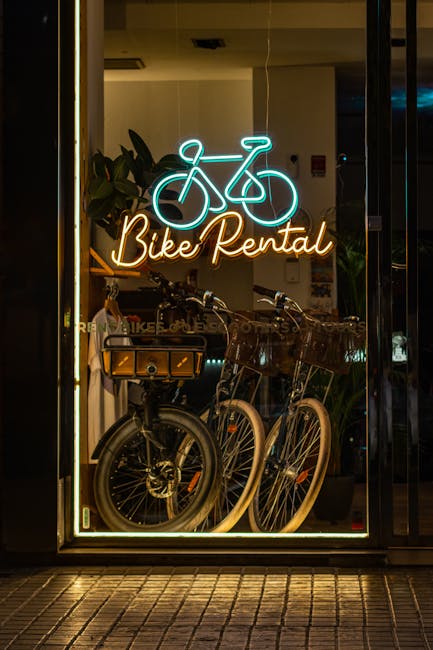
Tourist rentals: several shops offer daily or weekly rentals. Examples:
- Born Bike Tours, Carrer de l’Argenteria 28, 08003 Barcelona — standard rental ~ €10–15/day, e-bike ~ €25–35/day, hours 9:30–19:00.
- Green Bikes Barcelona, Carrer de València 245, 08007 Barcelona — standard rental ~ €8–12/day, e-bike ~ €20–40/day, hours 10:00–19:30.
- Rockin’Rent, Passeig de Colom 14, 08002 Barcelona — rentals and guided tours, rates from €12/day.
These addresses and prices are indicative; always ask about insurance and helmets (some shops include them for free).
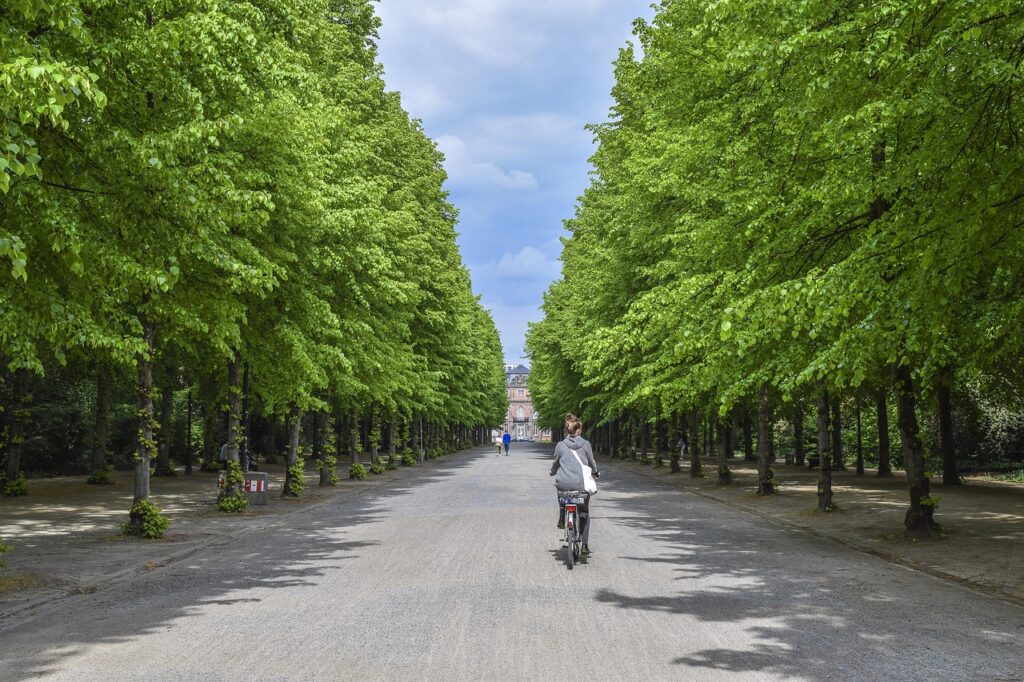
Safety and traffic rules: obey traffic lights and pedestrian crossings. Cycle lanes are often two-way; follow the signage. There’s no specific urban speed limit for bikes, but be cautious (10–20 km/h recommended in pedestrian-heavy areas). Montjuïc has steep slopes — e-bikes make climbs much easier. For parking, use bike stands and designated docks; avoid locking your bike to prohibited street furniture (risk of fines).
Practical comparison — when to pick the metro or the bike (criteria and scenarios)
Time and speed: for fast, linear trips (e.g. Barcelona–El Prat Airport → city center), the metro combined with the R2 train is often quicker. Example: Airport (Terminal 2) to Sants Estació by train (R2 North) ~ 20 minutes, then metro. On the other hand, for getting around within the same neighborhood (e.g. Born → Barceloneta → Parc de la Ciutadella), a bike can be faster since it avoids detours and waiting times on the metro.
Costs: for a single day, renting a standard bike costs €8–15/day while a Hola 48h for metro/bus might be about €16–18. If you plan many short trips in a day, the bike can become the cheaper option. For longer stays, a T-Mes (monthly) pass or a multi-day Hola card may be more economical; for residents, Bicing (annual subscription) is the best financial choice.
Comfort and weather: in rain or extreme heat, the metro offers comfort and coolness. Conversely, biking is more immersive and lets you explore nooks and beaches that the metro can’t reach. In summer, ride early (before 10:00) to avoid heat and traffic, and carry water and sunscreen.
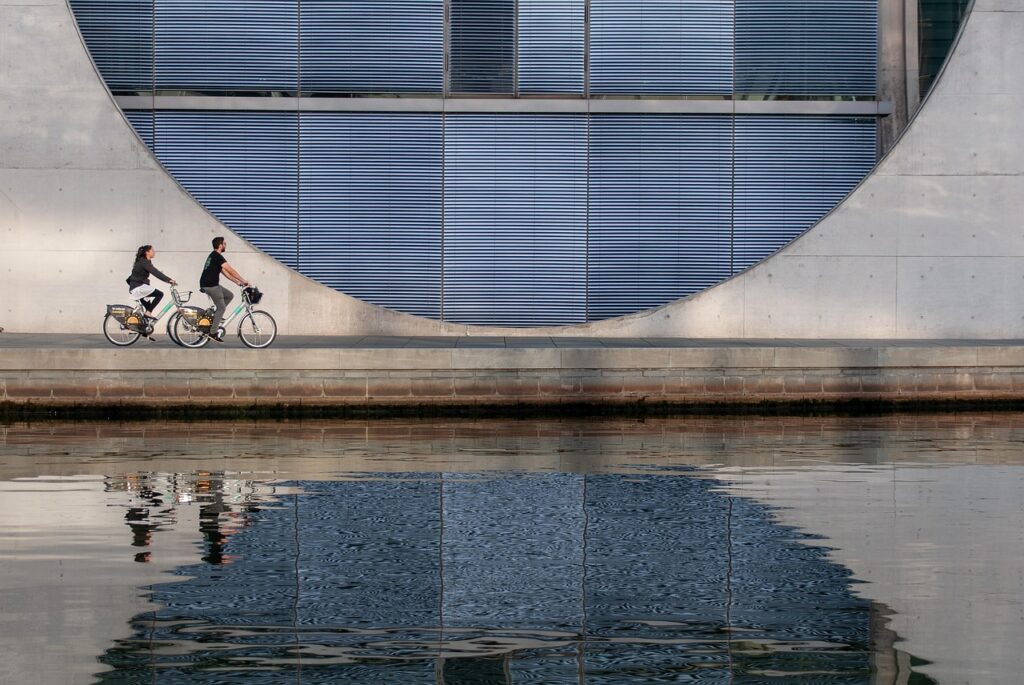
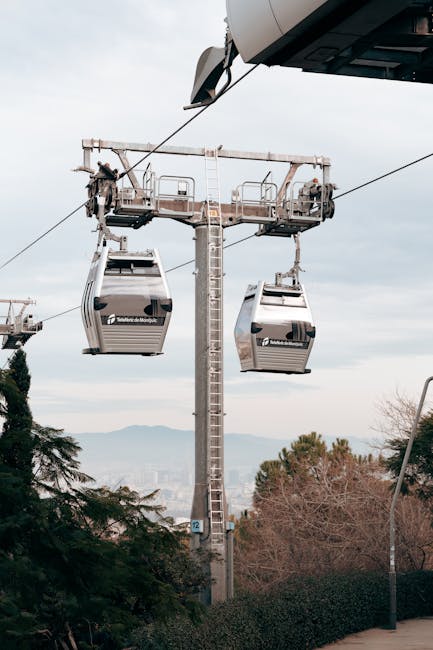
Accessibility: for travelers with heavy luggage or reduced mobility, the metro (with elevators and ramps in large stations like Sants Estació, Plaça de Catalunya) is often preferable. Hilly areas (upper Gràcia, Montjuïc) are physically demanding — opt for the metro + funicular (Funicular de Montjuïc, Station Paral·lel, Avinguda del Paral·lel, 08001 Barcelona) or an e-bike.
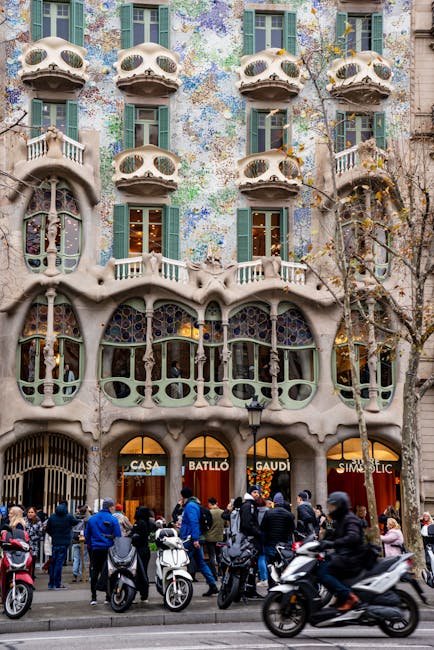
Tourist experience: biking gives you spontaneity: stop at a bakery, ride along the beach, take photos. Sample bike route: Plaça de Catalunya (Plaça de Catalunya, 08002 Barcelona) → Passeig de Gràcia (Casa Batlló, Passeig de Gràcia, 43, 08007 Barcelona) → Parc de la Ciutadella (Passeig de Lluís Companys, 08003 Barcelona) → Barceloneta (Passeig Marítim de la Barceloneta, 08003 Barcelona). If you’re short on time and want to visit several museums (Picasso Museum, MNAC), combine metro + bike to be efficient.
Local tips, recommended routes and practical tricks
Suggested routes by interest:
- Cultural route (metro + walking): Sants Estació (Carrer de Tarragona, 08014 Barcelona) → L3 → Plaça Espanya (Avinguda de la Reina Maria Cristina, 08004 Barcelona) for the MNAC (Museu Nacional d’Art de Catalunya, Palau Nacional, Parc de Montjuïc); MNAC hours: usually 10:00–18:00, tickets vary ~ €12 for the permanent collection (check the official site).
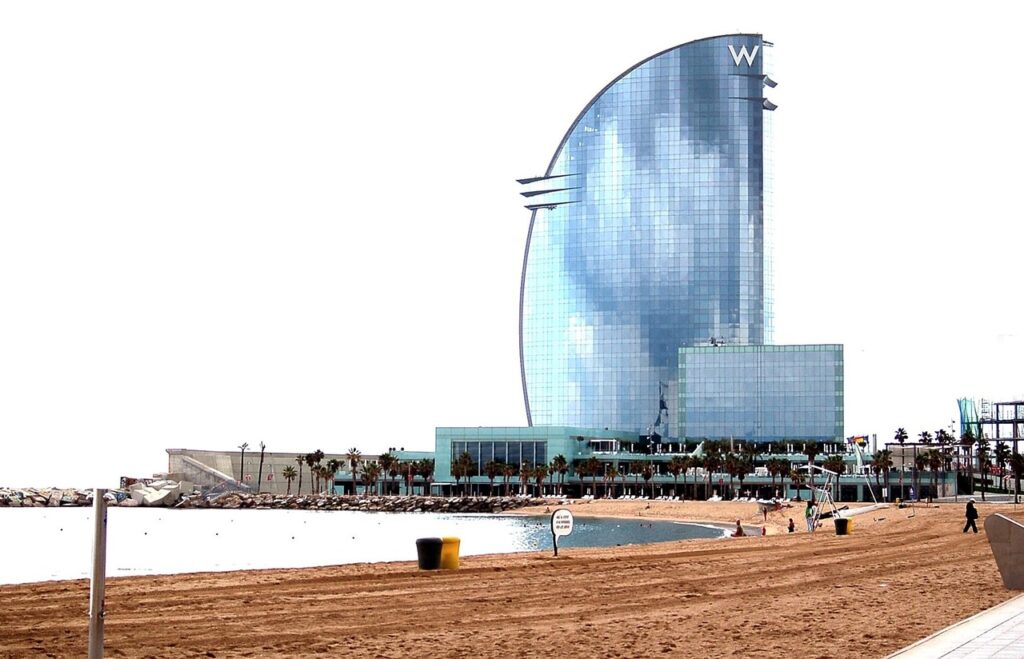
- Beaches and promenade route (bike): Plaça de Catalunya → Passeig de Sant Joan → Arc de Triomf → Parc de la Ciutadella → Barceloneta; ideal early morning (6:30–10:00) to avoid the crowds.
- Modernist route (bike or metro + walk): Passeig de Gràcia (Casa Milà, Passeig de Gràcia, 92, 08008 Barcelona) → Casa Batlló → Sagrada Família.
Essential local tips:
- Buy the Hola Barcelona online before arrival so you can pick it up at a station or show it on your phone (check terms). The Hola 72h card lets you ride unlimited on metro, buses, tram and zone 1 trains.
- If you use Bicing, add a secondary lock if you park a private bike on the street (be aware of municipal rules).
- Avoid pickpockets on crowded trains and in busy stations (common near La Rambla, Plaça Catalunya). Keep your bag closed and valuables in front of you.
- Respect pedestrian areas: in narrow tourist hotspots (Barri Gòtic), dismount and walk your bike to avoid conflicts.
- For night trips, check metro times and choose taxis or ride-hailing services (e.g. Taxi Barcelona, Plaça de la Catedral, 08002 Barcelona) if the metro isn’t running.
Useful resources and contacts:
- TMB (metro and buses): official site www.tmb.cat — mobile app TMB Info.
- Bicing: www.bicing.barcelona — for subscriptions and station maps.
- Rental shops mentioned: Born Bike Tours (Carrer de l’Argenteria 28, 08003 Barcelona), Green Bikes Barcelona (Carrer de València 245, 08007 Barcelona), Rockin’Rent (Passeig de Colom 14, 08002 Barcelona).
Conclusion — Make the right choice for your profile
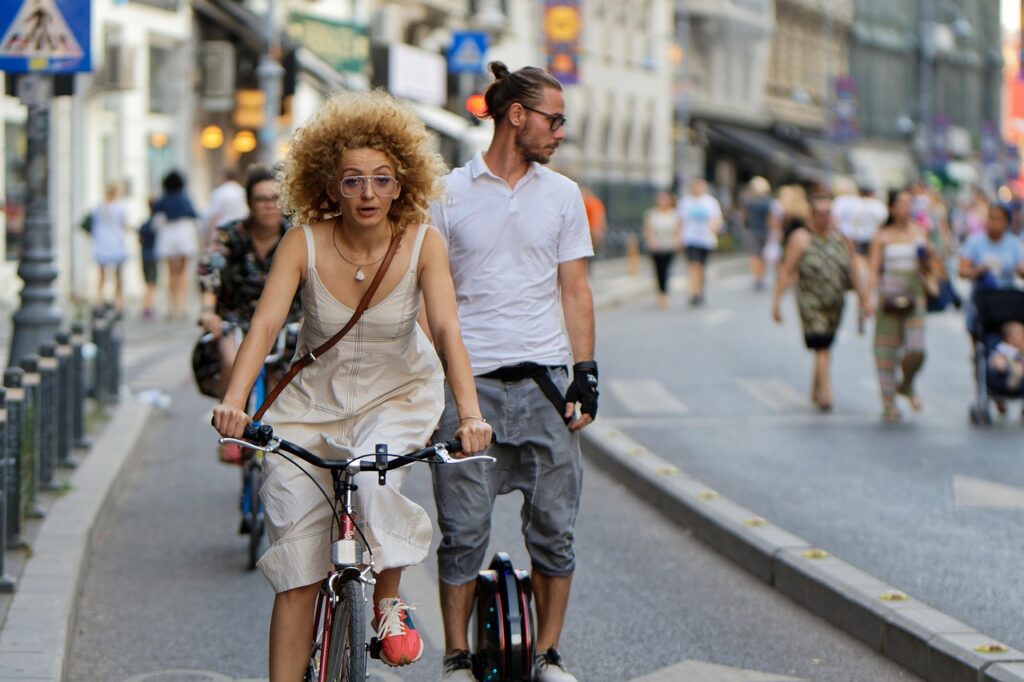
The choice between metro and bike in Barcelona really depends on your travel style, trip length and priorities. If you’re short on time, making few stops, or want to avoid heat or rain, the metro (TMB) is the most reliable option: wide coverage, frequent service and flexible fares (single ticket, Hola Barcelona, multi-trip cards). For full immersion, a flexible, photo-friendly experience, renting a bike (private rental or Bicing for residents) gives access to hidden streets, the beach and views you won’t get from the metro.
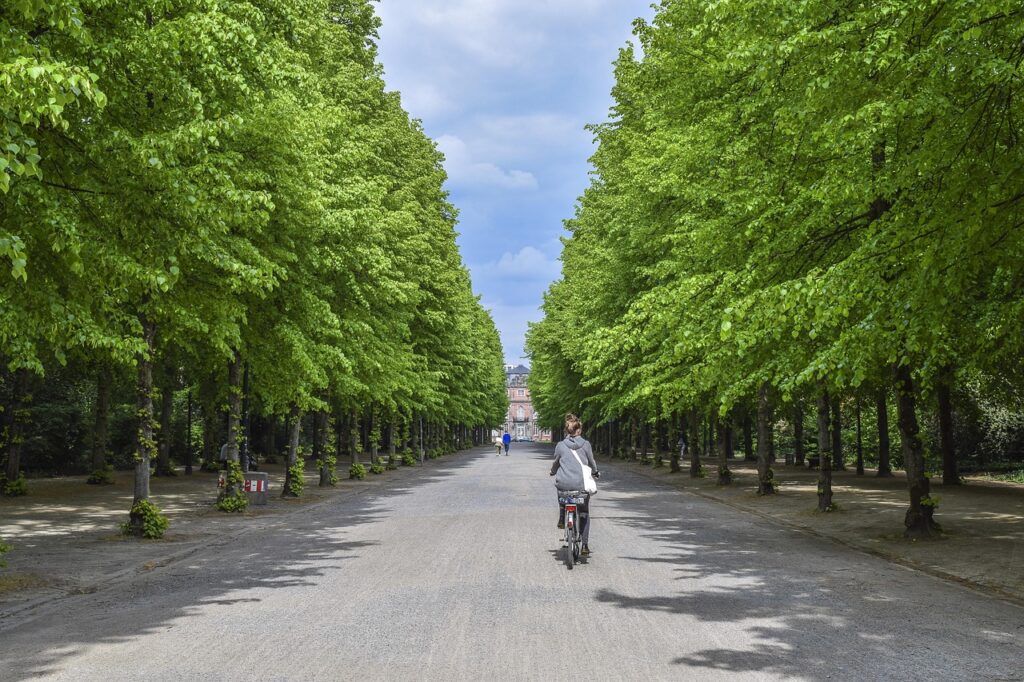
Personally, I recommend a mixed strategy: use the metro for long journeys or to reach uphill areas (Montjuïc, Tibidabo) and the bike for local exploration (neighborhoods like Born, Barceloneta, the Eixample). Rent a bike for a day (average cost €8–15/day for a standard bike, €20–40/day for an e-bike) for a slow discovery, and buy a Hola 48h/72h for logistics (airport transfer, quick trips). For longer stays, consider a Bicing subscription if you meet the registration requirements.
Finally, adapt to local schedules: the metro covers most needs from 5:00–24:00 (with extended weekend service), while a bike frees you from timetables but demands preparation and caution (helmet, insurance, lock). Whichever you choose, Barcelona is a welcoming city for every way of getting around: by combining metro and bike you’ll get the best of both worlds — efficiency and freedom, speed and immersion — and you’ll leave with very different memories depending on your choices. Safe travels and happy exploring!