





Introduction — Why and how to bring a bike on Barcelona’s metro
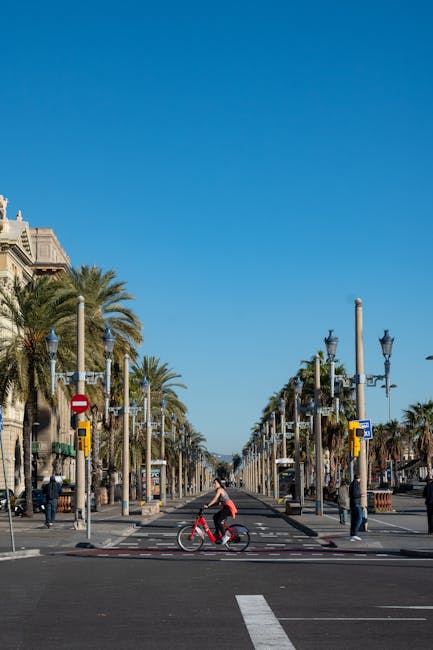
Barcelona is built for cycling: wide avenues like Passeig de Gràcia, continuous bike lanes along Avinguda Diagonal and the waterfront, and compact neighborhoods where a bike saves you valuable time. Still, there are moments when you’ll need to combine cycling with public transport — sudden rain, a mechanical breakdown, a steep climb up to Montjuïc, or just covering a long distance between neighborhoods. This practical guide is for everyone: local cyclists, tourists with folding bikes, and travelers who want to know how (and when) to board their bike on Barcelona’s metro without stress.
The concrete information below walks you through everything step by step: what the metro (TMB) allows, the differences between folding and standard bikes, which stations are bike-friendly, hours to watch, fare details, exact addresses of major transfer hubs, and printable checklists to run through before you head out. You’ll also find practical alternatives (Rodalies commuter trains, FGC, trams) for non-folding bikes and local tips to avoid rush hours and choose the best platforms and doors for getting on and off with your bike.
This guide gives you specific procedures: how to fold and protect your bike, how to buy and validate a ticket, where to stand on the platform, how to use elevators and accessible exits, and how to stow your bike on board without inconveniencing other passengers. Full addresses for key stations — Plaça de Catalunya, Sants Estació, Passeig de Gràcia — are listed, with the access points that avoid stairs. Price references match TMB Zone 1 fares (2024 rates): single ticket €2.40 and T-Casual 10-trip card €11.35 — handy if you’re making multiple trips.
Finally, local etiquette tips (what to do and what to avoid) and checklists will save you time and help you travel safely. Before you leave, print or save this guide on your phone: you’ll then have every step covered to take your bike on Barcelona’s metro, from entering the station to exiting at your destination.
Section 1 — Understanding the rules: folding bike vs standard bike and where they’re allowed
The first thing to know is the key regulatory distinction: a properly stored folding bike is treated like luggage and is allowed on TMB metros; a standard (non-folding) bike is generally prohibited on the metro but permitted on other rail networks (Rodalies, FGC) under certain conditions. Here’s the practical nutshell:
- Folding bike : Allowed on TMB metro as long as it’s folded and stored. It must be closed, carried or placed so it doesn’t exceed the size of regular luggage and doesn’t obstruct movement. No extra fare.
- Standard bike : Prohibited on most TMB metro lines. For long trips combining metro + bike, opt for Rodalies de Catalunya (RENFE) commuter trains or FGC (Ferrocarrils de la Generalitat de Catalunya), which accept non-folding bikes at certain times and on specific carriages.
- Tram and Bus : The tram (Trambaix / Trambesòs) accepts non-folding bikes outside peak hours; some double-decker buses are incompatible. Check the rules for each line.
Practical info and time restrictions (quick summary):
- TMB Metro (lines L1-L2-L3-L4-L5-L9 etc.) : Folding bikes allowed if folded and non-obstructive. Standard bikes prohibited. Check signage at the entrance.
- FGC (Ferrocarrils de la Generalitat) : Usually permits standard bikes on most regional trains; some cars or zones may not have bike spaces. Pricing depends on zones (often included in Zone 1 for short trips).
- Rodalies RENFE : Commuter trains allow standard bikes outside peak hours; applicable fare cards apply (check departure station for possible reservations).
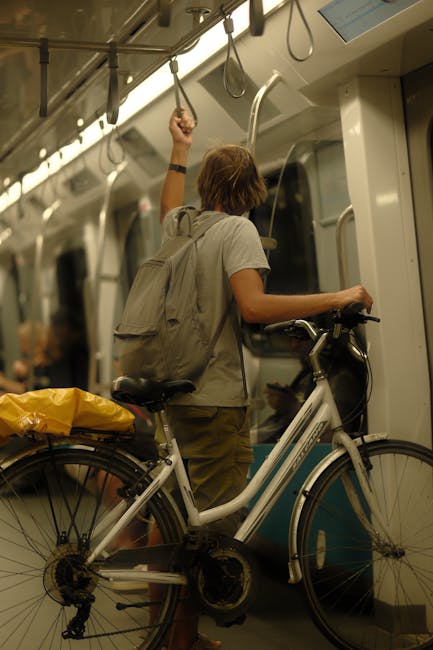
Local tip: if you have a standard bike but absolutely must use the metro, bring a bike bag — some staff may tolerate a fully covered bike, though the written rule remains restrictive.
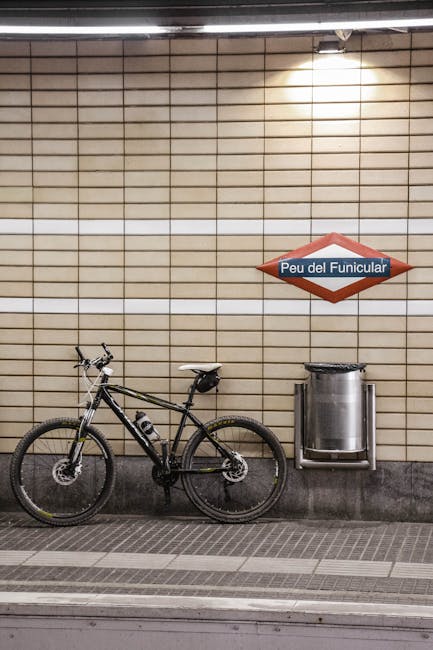
Section 2 — Exact steps to board a folding bike on the metro (checklist & procedures)
If you have a folding bike, follow this step-by-step procedure. Immediate actions: fold, protect, buy your ticket, enter the station, and find your spot in the train.
- Before you leave : Checklist to tick off
- Bike folded and secured (lock/Velcro)
- Bike bag if possible
- Slightly deflate tires if the bike is bulky
- Ticket or T-Casual (T-Casual 10 trips = €11.35, single Zone 1 ticket = €2.40)
- Plastic cover or bag for the saddle in case of rain
- Charged smartphone + TMB metro map
- Folding and protection (3 steps) :
- Fold the frame and lock the hinge.
- Fold the handlebars parallel to the frame and rotate the pedals to reduce bulk.
- Remove the saddle if possible or cover it to avoid dirt.
- Arriving at the station :
Preferred entrances (addresses):
- Plaça de Catalunya, 08002 Barcelona — metro entrance (Plaça Catalunya) by El Corte Inglés: favor the elevator near Passeig de Gràcia.
- Sants Estació, Plaça dels Països Catalans, 1, 08014 Barcelona — use the main elevator by the station to avoid stairs during transfers.
- Passeig de Gràcia, Passeig de Gràcia 08007, 08008 Barcelona — Provença / Gran Via exit with accessible elevator.
- Buying and validating your ticket :
Ticket machines (accept cards and cash) are at main entrances. T-Casual 10-trip card: €11.35 (Zone 1). Single ticket: €2.40.
- Boarding the train :
Stand by the central doors where luggage space is usually available. Hold the folded bike against you; don’t block the aisle. During off-peak times (9:30–17:00 and 21:00–05:00), you’ll have fewer difficulties.
- Getting off :
If needed, finish folding before you disembark, then use station elevators to exit if you have luggage or the stairs are crowded.
Concrete scheduling tip: avoid 7:30–9:30 and 17:00–19:30 on weekdays — Barcelona’s peaks are especially busy on L1 (Hospital de Bellvitge–Fondo) and L3 (Zona Universitària–Trinitat Nova).
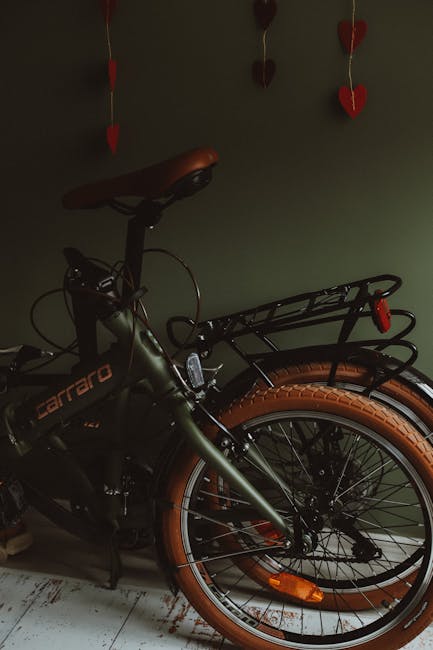
Section 3 — Recommended routes, stations and elevators (addresses and details)
Knowing which entrances have elevators and where useful transfers are located saves a lot of time when traveling with a bike. Here are key stations with exact addresses, elevator locations, and door recommendations:
- Plaça de Catalunya — Plaça de Catalunya, 08002 Barcelona
Elevators: on the Passeig de Gràcia side near the bookstore; use the northwest entrance to avoid the El Corte Inglés crowd. Connections: L1 (red), L3 (green). Ideal doors: central doors with luggage space.
- Sants Estació — Plaça dels Països Catalans, 1, 08014 Barcelona
Elevators: large elevator by the RENFE station near platform 1; direct exit to the platforms. Connections: L3, L5 (depending on access). Great for rail-to-metro transfers with a folding bike.
- Passeig de Gràcia — Passeig de Gràcia, 08007 / 08008 Barcelona
Elevators: Provença entrance; near taxi ranks and local bike lanes. Connections: L2, L3, L4 depending on the entrance.
- Diagonal — Avinguda Diagonal, 08008 Barcelona
Elevators: entrance near the Il·lustre Col·legi de l’Advocacia. Convenient for getting back onto Avinguda Diagonal by bike after exiting.
Quick station cheat-sheet (copyable):
- Plaça de Catalunya — Northwest elevator, avoid Corte Inglés exit, central doors recommended.
- Sants Estació — Main RENFE entrance, elevator from platform to station, ideal for long-distance trips.
- Passeig de Gràcia — Provença entrance, elevator, easy connection to tram and city bike services.
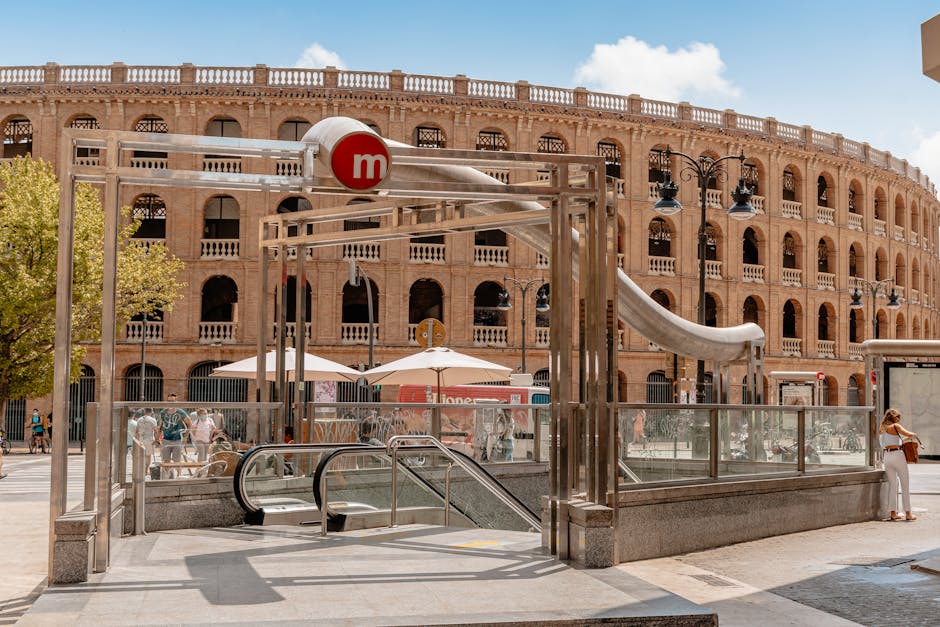
Section 4 — Alternatives and solutions for non-folding bikes: Rodalies, FGC, Tram and bike storage
If your bike won’t fold, the metro isn’t the best choice. Here are concrete alternatives to know, with addresses and conditions:
- Rodalies (RENFE) — Sants Estació, Plaça dels Països Catalans, 1, 08014 Barcelona
Commuter trains (Rodalies) allow standard bikes outside peak hours. Check station notices to see which carriages accept bikes. Fares: variable by zone; for short intra-urban trips, Zone 1 fares are often similar to the TMB ticket (around €2.40). Reservations are not usually required but can be useful on busy lines.
- FGC — Estació Provença (Passeig de Gràcia), Gran Via de les Corts Catalanes, 08007 Barcelona
FGC generally accepts standard bikes; favor trains outside peak hours. Policies and schedules can vary by line (Sarrià, Vallès), so check station notices.
- Tram (Trambaix / Trambesòs) — example stop: Estació de Sant Martí, Carrer de la Ciutat de Granada
The tram accepts standard bikes outside peak hours at no extra charge. Great for connecting the beachfront to Diagonal.
- Bike lockers and parking: municipal bike parking
Example locations: Bicing stations and municipal bike parks across Eixample and El Raval. Some major stations (Sants, Plaça Catalunya) offer paid bike storage — prices usually range €1.50–€4/day depending on private services. Look for signs reading « Aparcament bicicletes ». Use these if you need to leave your bike for an extended period.
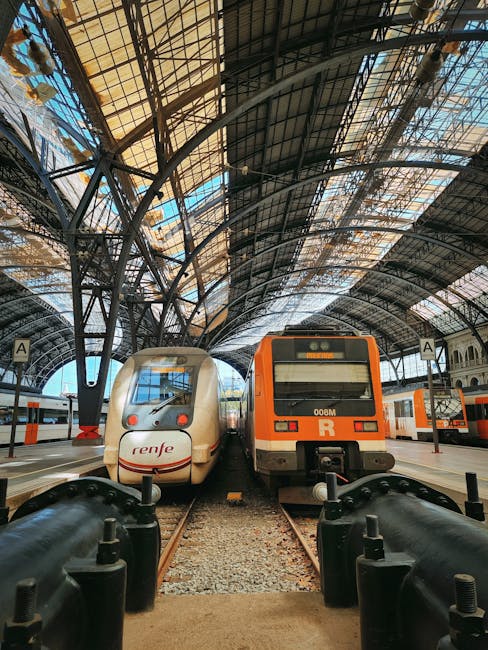
Practical tip: if you’re traveling with a friend and multiple standard bikes, plan your route on Rodalies rather than trying to bypass the metro ban. It reduces the risk of fines and avoids confrontations with TMB staff.
Conclusion — Summary and final tips before you go
Taking your bike on Barcelona’s metro is perfectly doable if you follow the rules: favor a properly stored folding bike on the TMB metro, or use Rodalies/FGC/tram for non-folding bikes. Remember the essentials: careful folding and a bike bag for folding bikes, buy and validate your ticket (single ticket €2.40; T-Casual 10 trips = €11.35), avoid peak hours (7:30–9:30 and 17:00–19:30), and use the elevators at the stations listed (Plaça de Catalunya, Sants Estació, Passeig de Gràcia, Diagonal) to get on and off smoothly.
Print or save the checklist at the start — it’ll be useful for every trip. If you have a standard bike, plan on Rodalies or FGC and arrive a bit early to spot the correct carriage. When in doubt, ask TMB or RENFE staff at the ticket desk — agents can point out the least crowded entrance, the nearest elevator, and the best door to board.
Finally, practice good manners: keep your bike close to you or attached to luggage racks, don’t block the doors, let people exit before you board, and be ready to fold or secure your bike quickly if requested by a controller. With these steps and exact addresses, you’ll be ready to combine cycling and metro travel in Barcelona with confidence.