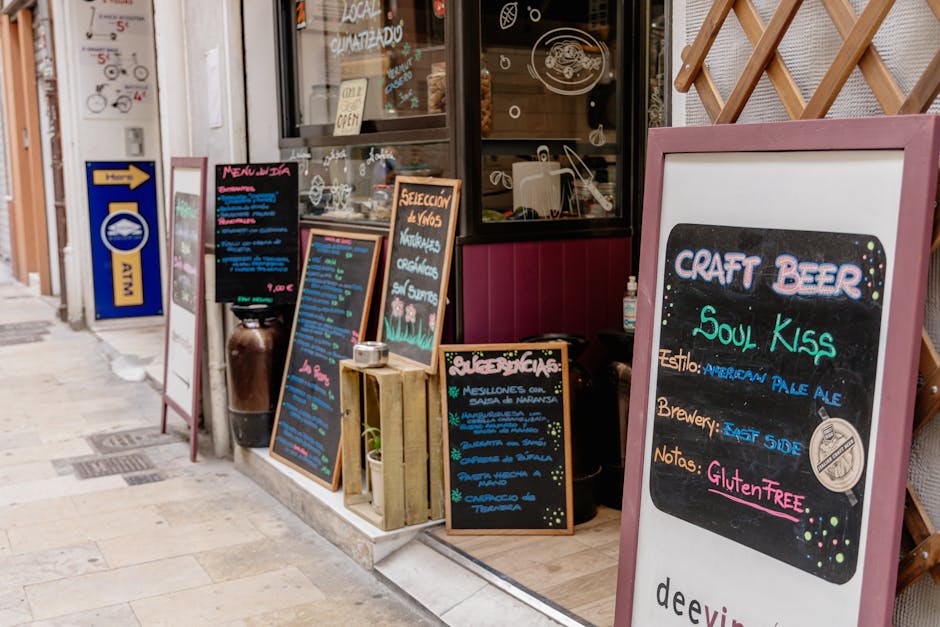






Introduction — Why this practical guide for Barcelona (300+ words)
Traveling to Barcelona while following a gluten-free diet can be delicious — but it can also be tricky if you don’t know a few key Catalan words or how to read a local menu. This guide isn’t a list of vague tips: it gives you a step-by-step method to spot hidden risks in Catalan dishes, what to ask your server, and where to go immediately when you want to eat worry-free. You’ll find ready-to-print checklists, useful Catalan phrases to copy, exact addresses where you can try out your new skills, price ranges and opening hours to help you plan your days.
We start with an essential point: language. On Catalan menus, many important indications about gluten appear as short, technical terms — often placed next to the dish name or in an allergens section. Catalan uses the expression “sense gluten” for “gluten-free,” but there are other formulations and abbreviations you’ll find on tapas bar menus, traditional restaurants and food markets. This guide focuses on 8 key expressions you need to know — exactly what you need to read a menu and make the right choice in under three minutes.
Alongside the expressions, you’ll find concrete examples: how to identify a risky dish like an « amanida amb croûtons » (salad with croutons) or an « escalivada amb pa » (roasted vegetables served with bread), how to ask three simple questions to your server, and what to do when the menu says nothing. I also recommend tested addresses (markets, cafés and restaurants) where gluten-free practices are known, with approximate prices and hours to make planning a Barcelona trip without unpleasant surprises easier.
Quick starter checklist:
- Before you go in: Check whether the restaurant displays « sense gluten » or a gluten-free logo on the window.
- When ordering: Ask 3 questions: « Hi ha gluten? » / « Conté gli? » / « Cuina separada? » (see detailed sections).
- If in doubt: Choose vegetable-based dishes, rice, plain grilled fish, or eggs; avoid breaded items, thick sauces and pastries.
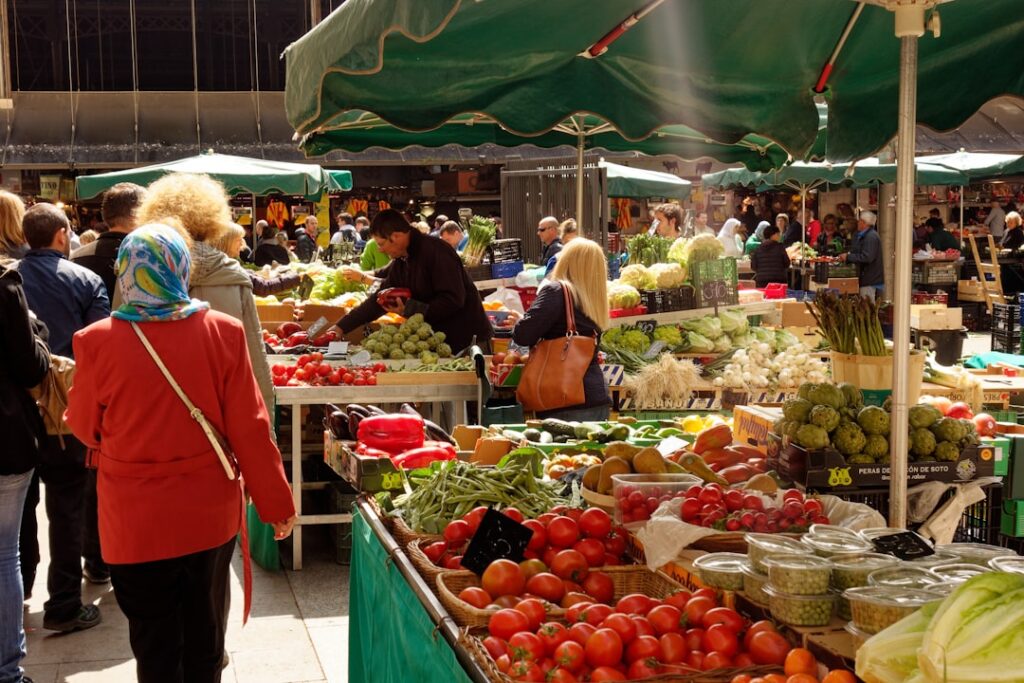
1 — Key phrase: « sense gluten » (meaning, nuance, how to spot it)
« Sense gluten » is the most direct Catalan phrase: it literally means « without gluten. » On a menu it may appear as a tag next to the dish, in the allergens list, or in a special « Opcions sense gluten » section. Here’s how to use it immediately and what it actually guarantees.
What it covers:
- Strict meaning: The dish has no ingredients that contain gluten (wheat, barley, rye, triticale).
- Limits: It doesn’t always guarantee there’s no cross-contamination in the kitchen (although many serious restaurants also note this on the menu).
How to spot it on a menu: look to the right of the dish name for a small icon or a mention like « sense gluten. » Concrete example: « Paella marinera — 16,50 € (sense gluten). » That means the paella is prepared without stock containing wheat or thick sauces made with flour.
Practical questions to ask the server (phrases to copy):
- « Aquest plat és sense gluten? » — Is this dish gluten-free?
- « Hi ha risc de contaminació en la cuina? » — Is there a risk of cross-contamination in the kitchen?
- « Podeu confirmar amb el xef o mostrar-me l’etiqueta? » — Can you confirm with the chef or show me the label?
Example of a place that clearly displays « sense gluten »: Celicioso (gluten-free bakery and café) — Carrer de la Diputació 253, 08007 Barcelona. Approximate hours: Mon–Fri 09:00–20:00, Sat 10:00–18:00. Prices: gluten-free viennoiserie ≈ €3.50–4.50, sandwich ≈ €6–9. [Note: check seasonal hours on-site or online].
2 — « Conté gluten » and other warning labels: spotting the red flags
« Conté gluten » means — without ambiguity — that the dish contains gluten. On a Catalan menu you’ll also see variations like « conté blat » (contains wheat), « conté ordi » (contains barley) or « conté sègol » (contains rye). These notes may be printed in red, in small type, or listed in the « Al·lèrgens » section.
Steps to take if you see a warning:
- Don’t order the dish.
- Note the specific ingredient if listed (e.g. « conté blat ») — this helps explain whether you’re only sensitive to wheat or to all gluten-containing grains.
- Ask for obvious alternatives (rice, grilled vegetables, non-breaded fish).
Concrete menu examples:
- « Fideuà de marisc — Conté ordi » — the fideuà (similar to paella but with noodles) may be made with a stock or sauce containing barley.
- « Croquetes casolanes — Conté gluten (empanades amb pa) » — homemade croquettes that are breaded and should be avoided.
Addresses where staff can usually explain labels: Mercat de la Boqueria — La Rambla 91, 08002 Barcelona. Hours: Mon–Sat 08:00–20:30 (Sunday partially closed depending on season). Prices: portion of grilled seafood ≈ €6–12, gluten-free tapas ≈ €4–8 each. The stalls let you see ingredients and ask the vendor — ideal for confirming « conté gluten. »
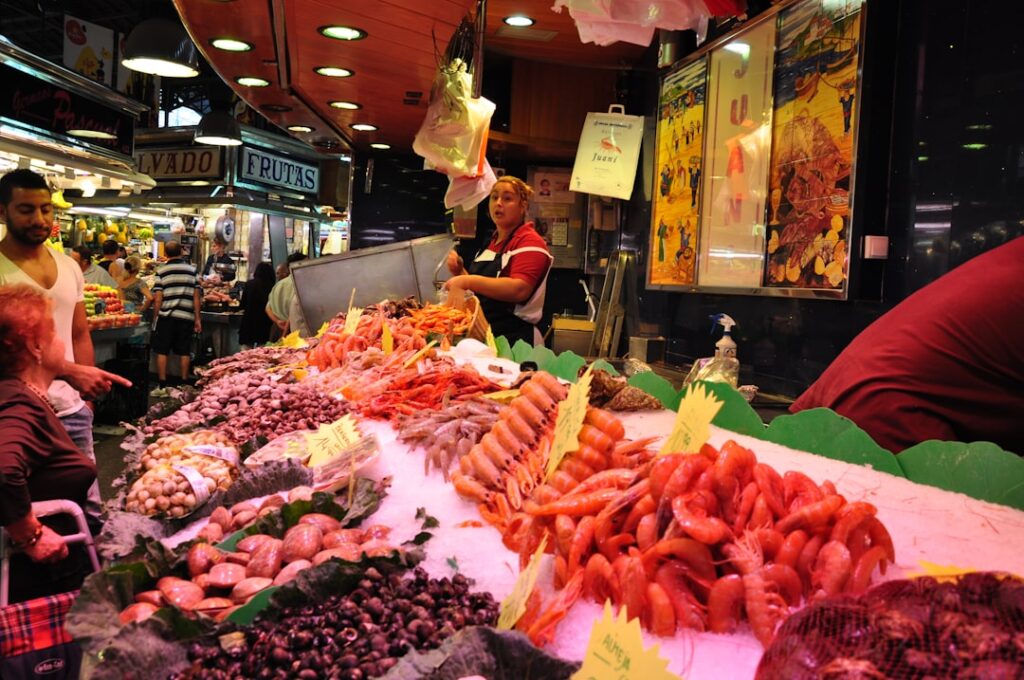
3 — « Podeu fer-ho sense pa? » and variants: dishes you can easily adapt
Many Catalan dishes are served with bread (« pa ») or have a breaded base. Knowing how to say « Can you do it without bread? » — in Catalan: « Podeu fer-ho sense pa? » — will immediately open up options. This little question avoids direct contamination from the bread that often accompanies dishes.
Useful terms to remember:
- « Amb pa » — with bread (avoid if you’re celiac).
- « Sense pa » — without bread (ask if possible).
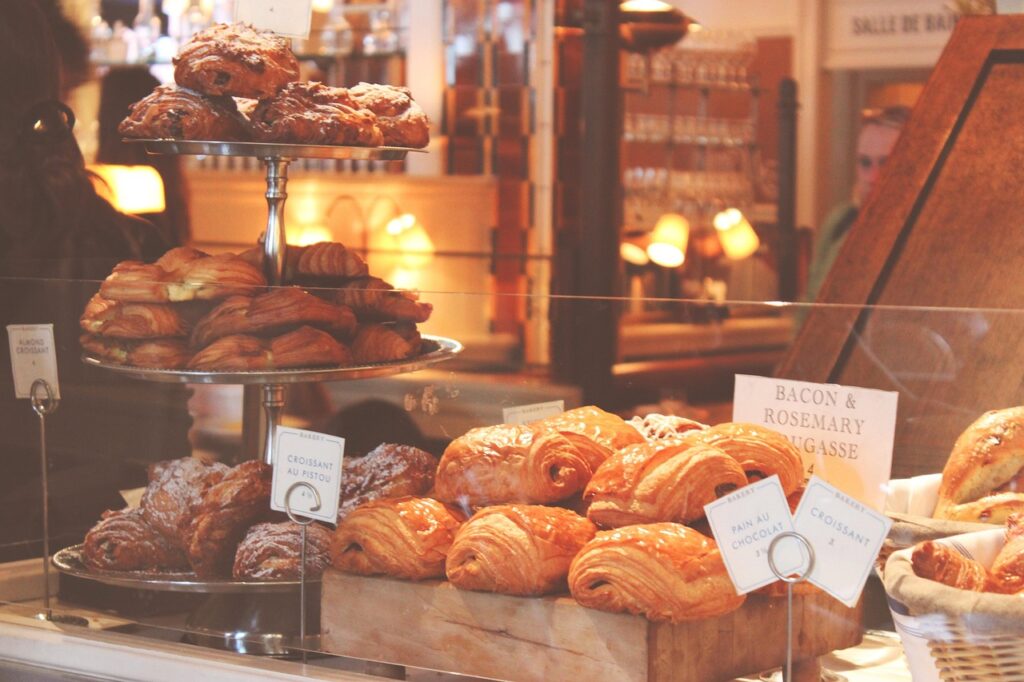
- « Amb crostons / croutons » — watch out: these are toasted bread pieces, often in soups or salads.
Practical examples:
- If the dish is called « Escalivada amb pa » — ask « Sense pa, si us plau » to get just the roasted vegetables. Serve as a main or a side.
- For an « amanida de tomàquet i formatge » (tomato-and-cheese salad) specify « Sense crostons » if the menu lists croutons.
Where to try this approach: Federal Café Barcelona — Carrer del Parlament 39, 08015. Hours: Tue–Sun 09:00–23:00 (closed Mon). Prices: mains ≈ €8–14, brunch ≈ €11–16. Staff are English-speaking and often flexible about removing bread or substituting salad/rice.
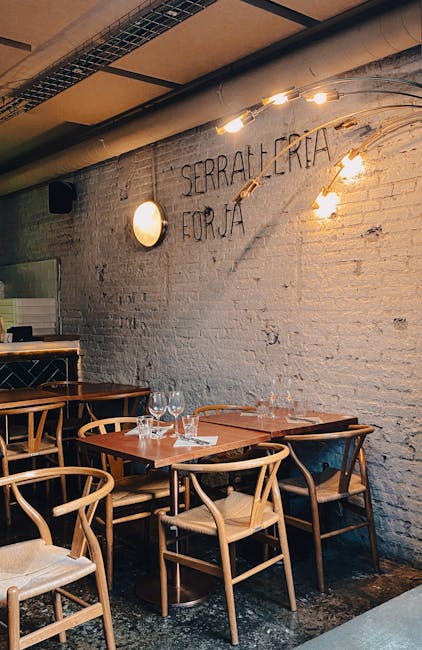
4 — « Fregit » / « Arrebossat » / « Empanat »: understand cooking methods that are risky
Words related to cooking can reveal gluten even when the main ingredient is naturally gluten-free. « Fregit » (fried), « arrebossat » (battered) and « empanat » (breaded) are warning signs. A slice of fish labeled « arrebossada » will be coated in flour before frying.
How to read a menu with these words:
- Avoid dishes that state « arrebossat » or « empanat » automatically.
- Ask whether fried items are cooked in the same oil as breaded foods — question: « És la mateixa oli que per a croquetes o arrebossats? »
- Favor grilled options: « a la planxa » (grilled/on the plancha) or « al forn » (baked).
Short phrase to use: « Ho podeu fer a la planxa en comptes de fregit? » — Can you do it on the plancha instead of fried?
Practical example in a traditional restaurant: Can Culleretes (historic restaurant in the Barri Gòtic) — Carrer d’en Quintana 5, 08002 Barcelona. Hours: Tue–Sun 13:00–16:00 / 20:00–23:00 (closed Mon). Prices: traditional dishes ≈ €12–25. Ask for « a la planxa » dishes to avoid frying and breading.
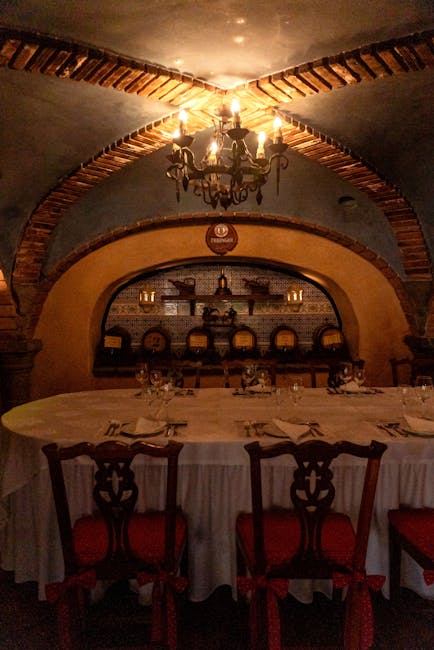
5 — « Allergens » and codes (A, B, T…): how to decode allergen tables
More and more, Catalan menus include an allergen chart with codes (often in Spanish or Catalan). Serious restaurants list major allergens: gluten, crustaceans, eggs, fish, peanuts, soy, milk, tree nuts, celery, mustard, sesame, sulfites, lupin, molluscs. Gluten may be abbreviated as « G » or listed as « gluten / blat. »
Steps to decode:
- Look for the row/column labeled « gluten » or the icon of a crossed-out wheat sheaf.
- If you see a code, ask for it in plain language: « Què vol dir la lletra G aquí? »
- Favor menus where the server can provide a detailed allergen sheet face-to-face.
Where tables are common: modern restaurants and chains. Example: Flax & Kale (healthy flexitarian) — Carrer dels Tallers 74B, 08001 Barcelona. Hours: Mon–Sun 09:00–23:00. Prices: mains ≈ €10–18. They often display allergens and have « sense gluten » options. Ask for the allergens sheet to confirm.
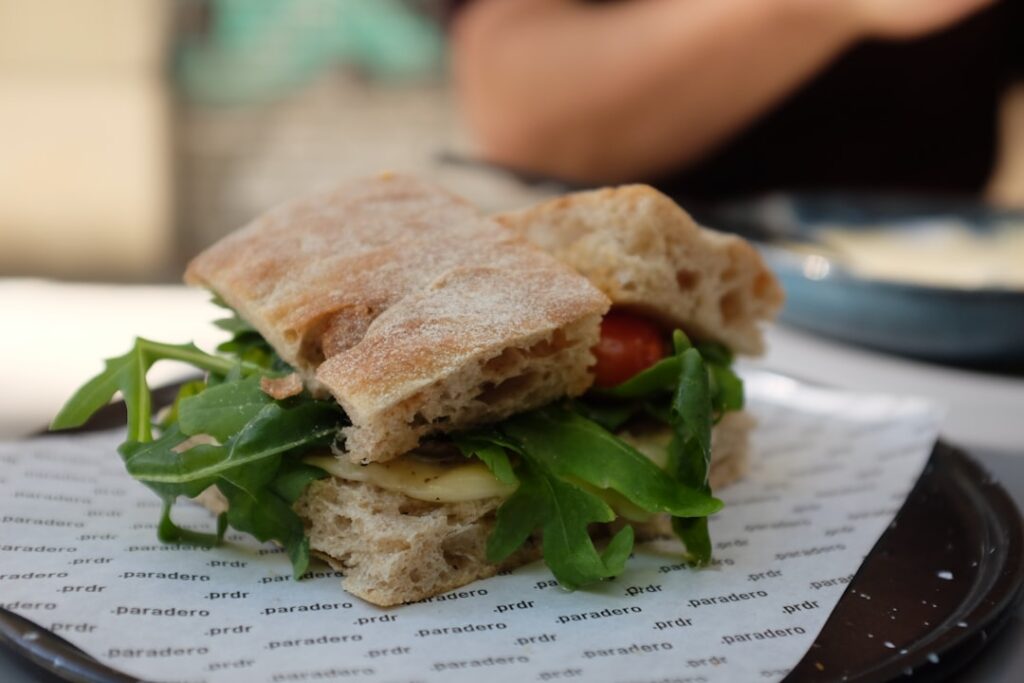
6 — « Crema » / « Roux » / « Guisat »: sauces and thickeners that can hide gluten
Thick sauces and cooking bases may use flour as a binder. Terms to watch: « crema » (cream), « roux » (even though it’s French, it’s sometimes used), « guisat » (stew) — always ask if the sauce contains flour or beer. Common examples: « salsa espessa » or « fons amb farina. »
Simple question to ask: « Aquesta salsa porta farina o algun espessant que contingui gluten? » — Does this sauce contain flour or any thickener that contains gluten?
Immediate tips:
- Choose sauces based on oil, lemon or clear tomato.
- Avoid « thick » sauces and stews that may be thickened with flour.
Try this at the market: Mercat de Sant Antoni — Carrer del Comte d’Urgell, 1, 08011 Barcelona. Hours: Tue–Sat 08:00–20:00. You can buy simple dishes without heavy sauces (grilled fish, vegetables, legumes) and ask stall vendors directly about ingredients.
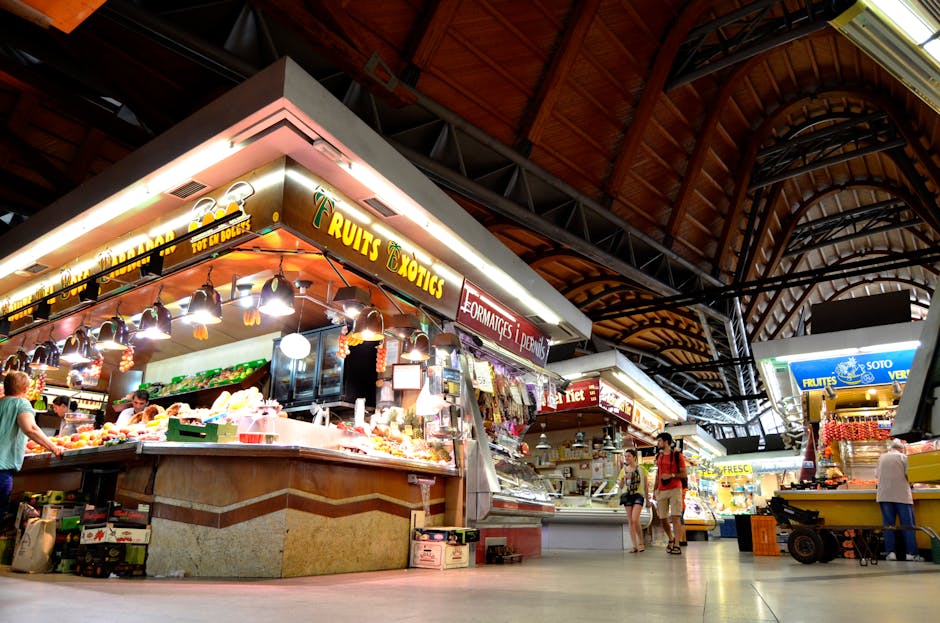
7 — « Truites » / « Tortillas » / « Ous »: eggs and simple preparations that are safe if asked for correctly
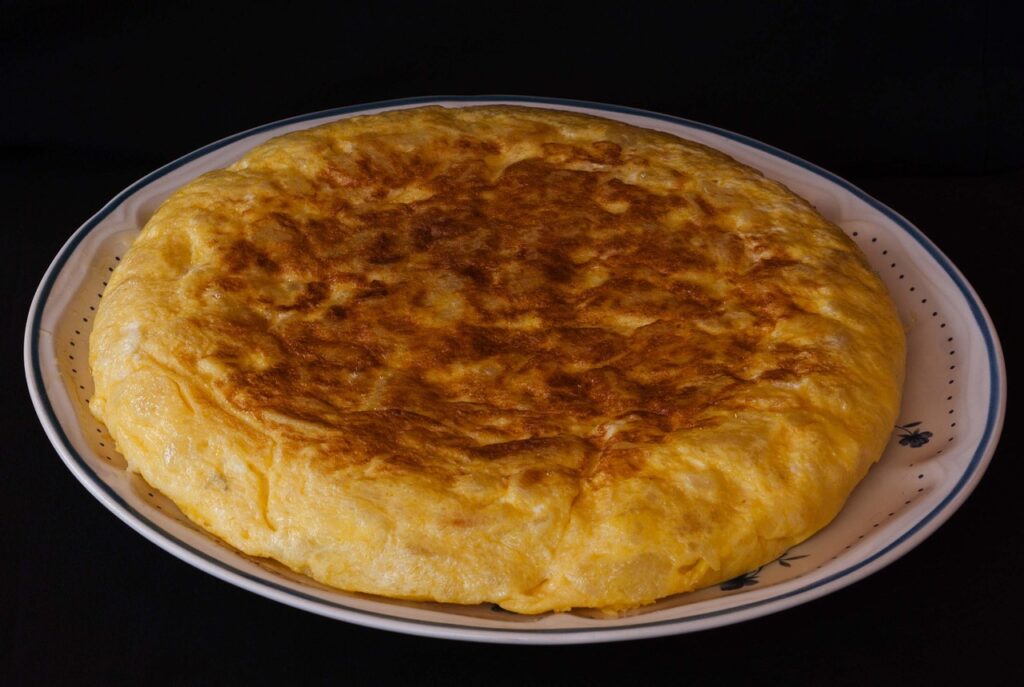
Egg-based dishes (truita de patates, tortilla española) are often naturally gluten-free, but watch out for versions with croutons, bread or thick sauces. Ask « Sense pa i sense empanat » to get a safe version. Another advantage: they’re quick, inexpensive and found in almost every bar.
Practical example:
- Order « Truita de patates, sense pa »: a filling, satisfying dish (price ≈ €6–10 depending on the bar).
- Avoid the « truita amb ceba i crostons » if croutons are listed.
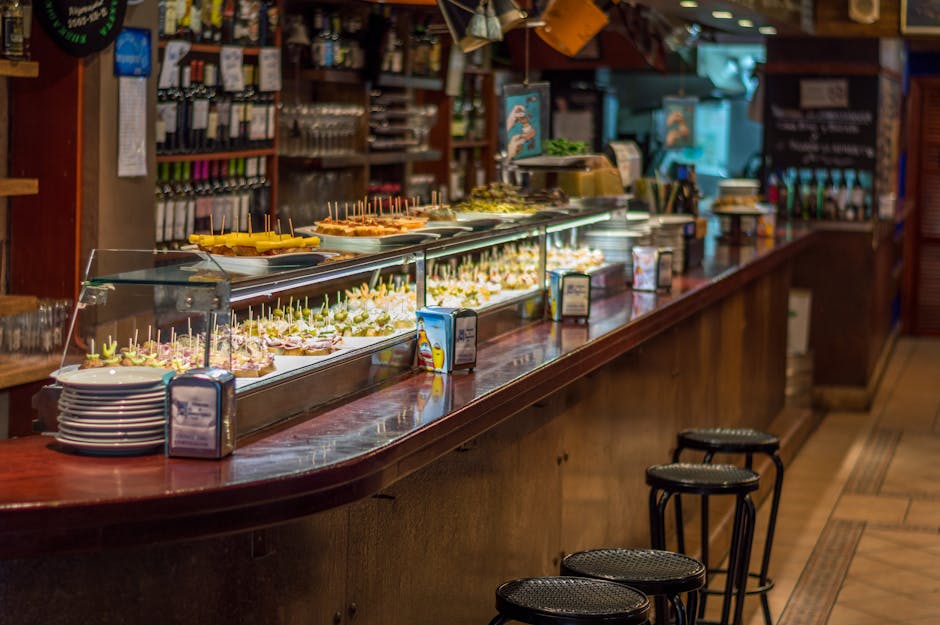
Test address: Bar Celta Pulpería — Carrer del Consell de Cent 377, 08009 Barcelona. Hours: Tue–Sat 13:00–16:00 / 20:00–23:00. Prices: tapas €3–8, omelette ≈ €6–9. They often serve egg-based dishes that can be ordered without bread.
8 — What to do when in doubt: emergency phrase, plan B, backup addresses
If the menu says nothing and you feel unsure, follow this immediate 3-step protocol:
- Emergency phrase: « Sóc celíac/ana, he de menjar sense gluten completament. Ho podeu confirmar? » — I’m coeliac, I need to eat completely gluten-free. Can you confirm?
- Plan B: Choose a basic dish: grilled fish « a la planxa », plain white rice, « amanida sense crostons » (salad without croutons), or truita de patates without bread.
- Retreat to a safe spot: if the restaurant can’t guarantee it, go eat at one of the safe addresses listed below.
Backup addresses (contact them in advance when possible):
- Celicioso — Carrer de la Diputació 253, 08007 Barcelona. Pastries and cakes entirely gluten-free. Hours: Mon–Fri 09:00–20:00, Sat 10:00–18:00. Prices: €3.50–6.00 per pastry.
- La Boqueria stalls (pick seafood and rice stalls) — La Rambla 91, 08002 Barcelona. Hours: Mon–Sat 08:00–20:30. Prices: tapas/portions €4–12.
- Flax & Kale — Carrer dels Tallers 74B, 08001 Barcelona. Hours: 09:00–23:00. Prices: mains €10–18.
Conclusion — Summary and one-last practical checklist (200+ words)
Reading a Catalan menu to avoid gluten becomes straightforward once you know the 8 key phrases: « sense gluten », « conté gluten », « Podeu fer-ho sense pa? », « fregit/arrebossat/empanat », how to decode « allergens », watch out for « crema/roux/guisat », prefer egg-based dishes when requested safely, and follow an emergency procedure when in doubt. Armed with these words and the copyable phrases, you can travel around Barcelona with confidence, order in Catalan when it helps, and clearly and respectfully communicate your needs.
Final printable checklist:
- Before entering: look for « sense gluten » on the window.
- When ordering: ask the 3 key questions (contents, cooking method, contamination).
- If in doubt: choose rice, fish « a la planxa », truita, or head to Celicioso / Flax & Kale / La Boqueria.
- Keep these phrases written down or on your phone: they’ll save time and reduce mistakes.
Finally, remember that the local community in Barcelona is increasingly aware of gluten-free needs — many bakeries, cafés and restaurants now offer clear options. But your vigilance is still the best guarantee: read menus carefully, ask staff questions, and favor simple dishes when labeling seems insufficient. Have a great trip and enjoy gluten-free eats in Barcelona!