





Introduction — Why choose your neighborhood in Barcelona in 5 simple steps
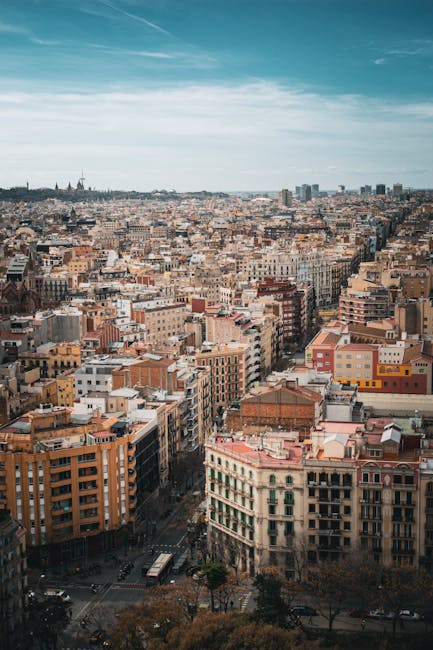
Barcelona is more than a city: it’s a mosaic of neighborhoods, each with its own personality, amenities and trade-offs. Whether you’re coming for a week, six months or moving permanently, choosing the right neighborhood shapes your day-to-day life: commute times, nighttime noise, housing prices, access to schools, parks and transport, and the quality of local bars and shops.
This hands-on 5-step guide gives you practical actions you can put into practice immediately. No vague tips: you’ll get exact addresses, price ranges in euros, useful opening hours, checklists to tick off and local tips based on real situations (see comparisons like Eixample vs Gràcia, Raval vs Gothic, Poblenou vs Barceloneta). By the end you’ll know where to look, what to visit, which questions to ask a landlord, how much to budget and how to verify neighborhood quality before signing.
This guide assumes you’ve already fixed three essential parameters: your monthly housing budget, your noise tolerance, and how important accessibility is (close to work, university or public transport). If you haven’t, start by jotting these three down — we’ll use them as concrete filters in every step.
Examples of parameters to note now:
- Housing budget: maximum rent in euros / month
- Maximum commute time: minutes by transport/on foot
- Noise tolerance: Low (family), Medium (bars nearby), High (nightlife)
This guide is structured in 5 numbered steps, each with a quick action checklist. You’ll also find precise places to test neighborhoods (cafés for working, markets for groceries, metro stations to compare), rental price brackets and handy opening hours (markets, estate agencies, transport). At each step, note your impressions and update your shortlist of neighborhoods. In the end you’ll have a clear visiting plan, a finalized shortlist and a pre-signing verification checklist.
Step 1 — Define your constraints and build a shortlist (actions to do in 2 hours)
Before you hit the streets, clarify three non-negotiable constraints: budget, commute time and acceptable noise level. Then create a shortlist of 4–6 neighborhoods. Here’s how to proceed step by step.
Quick action (30 minutes): fill in this mini-form:
- Maximum rent budget: ______ € / month
- Max commute time home-to-work: ______ minutes
- Main transport: metro / bus / bike / walking
- Need schools or daycare nearby: yes / no
- Noise tolerance: low / medium / high
Concrete examples matching budget to neighborhoods (indicative values, 2026):
- Eixample (central, architecture, relatively calm): €950–1,800 / month for a 1-bedroom; areas near Passeig de Gràcia are more expensive.
- Gràcia (village vibe, cafés, pedestrian streets): €850–1,400 / month for a 1-bedroom.
- Barceloneta (beach, very touristy): €900–1,600 / month for a 1-bedroom; high seasonal noise.
- Poblenou (startups, beach a bit further): €800–1,300 / month for a 1-bedroom; good for remote work.
- Raval / Gothic (central, lively at night, cheaper): €650–1,200 / month for a 1-bedroom; watch out for noise and safety at night.
- Sant Antoni (market, bars, central but residential): €900–1,500 / month for a 1-bedroom.
Checklist Step 1 (to tick off):
- [ ] Budget set
- [ ] Max commute time decided
- [ ] 4–6 neighborhoods selected
- [ ] Metro maps printed or downloaded (TMB app)
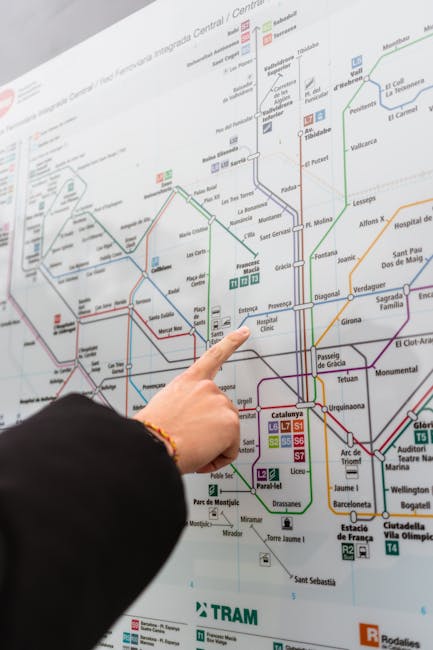
Useful addresses for gathering information:
- Oficina de Atención al Ciudadano – Plaça de Sant Jaume, 1, 08002 Barcelona — for administrative procedures (hours 9:00–14:00).
- Tourist Office / Barcelona – Plaça de Catalunya, 17, 08002 Barcelona — brochures, maps (hours 9:00–20:00).
Step 2 — Visit 3 key spots per neighborhood (allow 1 day for every 2 neighborhoods)
On the ground, each neighborhood should be tested against three concrete criteria: daily life (supermarket, pharmacy), street atmosphere (day and night) and accessibility (metro/bus). For every neighborhood on your shortlist, visit exactly these three types of places.
Typical visiting plan (morning, afternoon, evening):
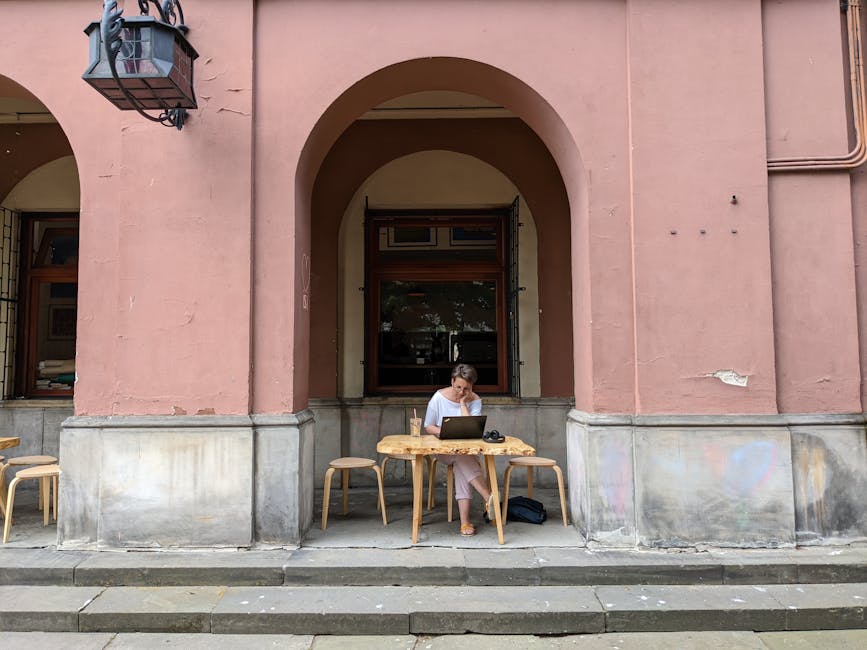
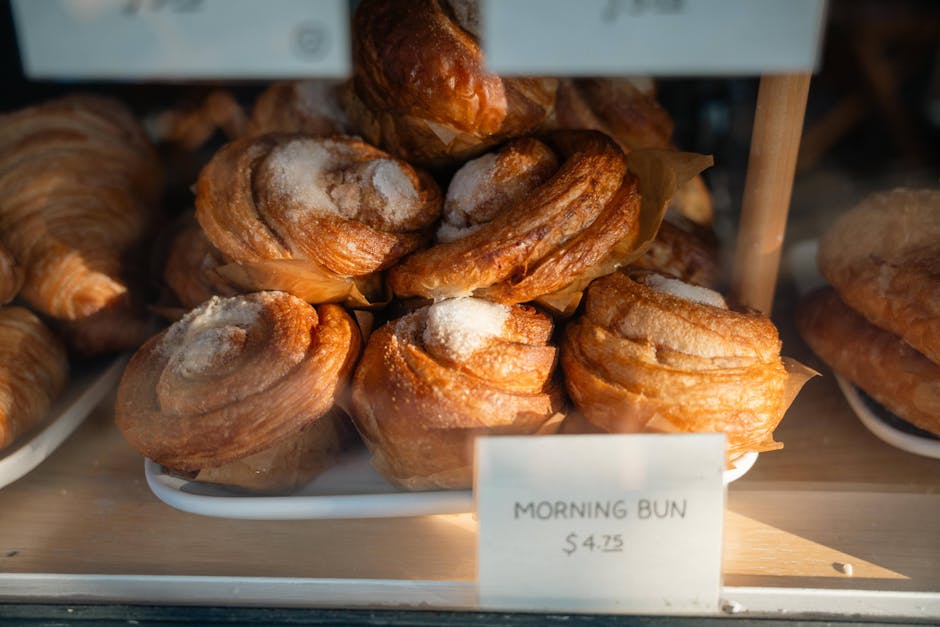
- Morning — Local market + breakfast in a café
- Afternoon — Grocery/supermarket, pharmacy, trip to your workplace
- Evening — Dinner and a nighttime noise test
Concrete examples by neighborhood with addresses, hours and prices:
- Eixample
- Mercat de la Concepció — Carrer d’Aragó, 313-317, 08009 Barcelona. Hours: Mon-Sat 7:00–20:00. Indicative prices: vegetables €2–5/kg, fish varies.
- Café to work from: Federal Café — Plaça de Catalunya 1 (corner), 08002 Barcelona. Hours: 8:00–22:00. Filter coffee ~€2.50.
- Metro: Passeig de Gràcia (L2, L3, L4) — note travel time to your workplace.
- Gràcia
- Mercat de la Llibertat — Carrer de Pérez Galdós, 30, 08012 Barcelona. Hours: Mon-Sat 8:00–14:00, afternoons vary by stall.
- Village café: Café Camelia — Carrer de Verdi, 8, 08012 Barcelona. Breakfast €4–7.
- Metro: Fontana (L3) and L2 at Diagonal is a 20-minute walk.
- Poblenou
- Mercat del Poblenou — Rambla del Poblenou, 44, 08005 Barcelona. Hours: Mon-Sat 8:00–14:30.
- Supermarket: Mercadona — Carrer de Llull, 46, 08005 Barcelona. Hours 8:00–22:00. Basic shopping basket ~€25–35.
- Beach: access via Carrer de la Llacuna / Passeig del Taulat, great for late-afternoon strolls.
Checklist Step 2:
- [ ] Market visited and stall receipt/photo (prices noted)
- [ ] Actual time recorded for home→work commute (note minutes)
- [ ] Noise level tested between 22:00–23:30 (notes)
- [ ] Street photos taken (area, façades, nighttime lighting)

Step 3 — Check essential services (health, schools, transport) and the real costs
This might sound administrative, but checking amenities turns a pretty street into a livable neighborhood. You need to verify three things precisely: presence of a pharmacy open late or nearby, access time to a hospital/health center, and availability of schools/daycare. Also note real monthly costs: electricity, Internet, building fees.
Addresses and contacts that are often useful:
- Farmàcia Vidal — Passeig de Gràcia, 92, 08008 Barcelona. Hours: Mon-Fri 9:00–20:00, Sat 9:30–14:00. Call for night emergencies: +34 93 215 43 21.
- CAP Raval Nord — Carrer dels Angels, 6, 08001 Barcelona. Hours: Mon-Fri 8:00–20:00 (local emergencies outside these hours via 061).
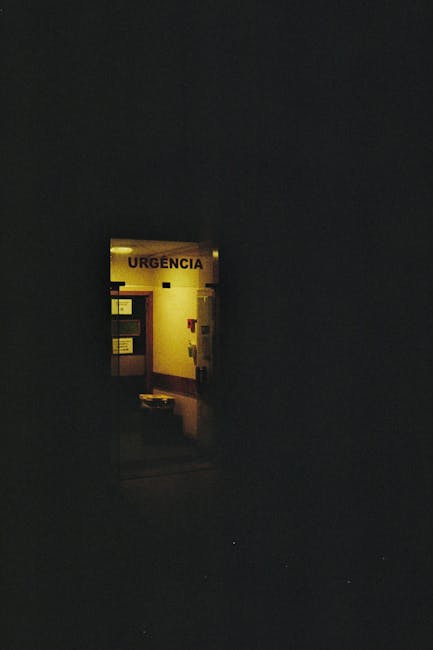
- Hospital Clínic de Barcelona — Carrer del Rosselló, 149, 08036 Barcelona. Emergency 24h.
Monthly costs to estimate (concrete examples):
- Electricity: €40–90 / month depending on usage.
- Water: €15–30 / month.
- Fiber Internet 300 Mbps (Movistar / Orange): €30–50 / month.
- Building fees (comunitat): €30–150 / month depending on services (elevator, concierge).
How to check schools/daycare:
- Locate nearby public schools via Google Maps or the site edubcn.cat.
- Call to ask about waiting lists — for example CEIP Miquel Bleach — carrer de l’Om, 6 (secretary hours 9:00–13:00).
- For municipal daycares (Llar d’infants), check prices: €150–350 / month depending on income and availability.
Checklist Step 3:
- [ ] Pharmacy <15 min on foot
- [ ] Hospital / CAP <20 min by transport
- [ ] Schools / daycares contacted (name + response)
- [ ] Estimated full monthly bills
Step 4 — Test nightlife, safety and cleanliness (three separate visits)
A neighborhood can be lovely by day and unbearable at night. To properly assess it, make three distinct visits: morning, afternoon and evening (after 22:00). Focus on late-open bars, traffic intensity, street cleanliness and police presence. Here’s how to measure things concretely:
Procedure:
- Morning (9:00–11:00): note cleanliness (litter, smells), morning noise (deliveries), presence of families.
- Afternoon (15:00–17:00): evaluate commercial activity (small shops, libraries, parks).
- Evening (22:00–00:30): assess noise (approximate dB via smartphone app), tourist flow, safety (police presence, lighting).
Concrete points by neighborhood:
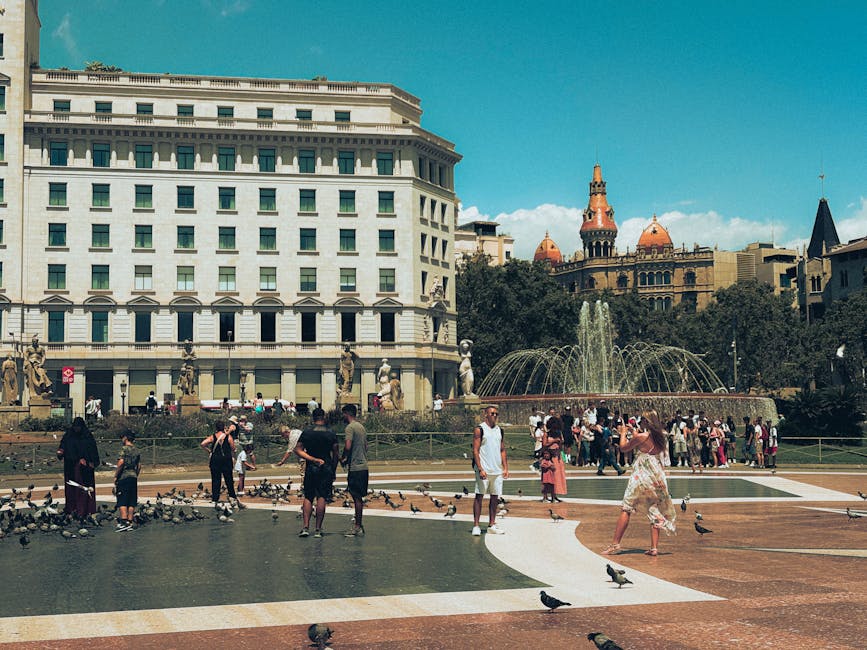
- Barceloneta — Extremely lively in summer: beach and bars. Test Plaça del Poeta Boscà around 23:30: if you can hear loud music until 2:00, mark it as “high.” Prefer the carrer Sant Carles side for a quieter option. Market: Mercat de la Barceloneta — Av. de les Drassanes, 08003 Barcelona. Hours: Mon-Sat 8:00–14:30.
- Raval — Very cosmopolitan, busy by day and nocturnal at night. Street to watch: Rambla del Raval — test safety around 1:00. Tourist police + Mossos pass regularly but stay vigilant.
- Sant Antoni — Nighttime is calmer, bars are clustered around Carrer del Parlament. Covered market Mercat de Sant Antoni — Carrer del Comte d’Urgell, 1, 08011 Barcelona. Hours: Mon-Sat 7:00–20:00.
Checklist Step 4:
- [ ] Morning visit done (cleanliness notes)
- [ ] Afternoon visit done (shops open)
- [ ] Night visit done (noise level noted)
- [ ] Photo(s) of street lighting and nearby access points (metro stations)
Step 5 — Check the rental file and the signing procedure
Once you’ve narrowed it down to 1–2 preferred neighborhoods, it’s time to inspect the flat and the lease. Here are the mandatory checks and exact amounts to expect.
Documents to ask from the landlord/agency:
- Written rental contract (contrato de alquiler) in Spanish and/or Catalan — duration, deposit (fianza), notice period.
- Receipt of the last IBI payment (property tax) if you need to verify charges.
- Certificado de eficiencia energética (energy efficiency certificate — required for rental).
Common costs:
- Deposit (fianza): normally 1 month’s rent for standard housing; up to 2 months for some private rentals — e.g. rent €1,200 → deposit €1,200.
- Additional guarantee (bank guarantee/meses por adelantado): sometimes requested, check legality.
- Agency fees (if applicable): usually 1 month’s rent + IVA (21%).
On-site checks (technical checklist to do during final visit):
- [ ] Check electricity meter condition — number and reading (take photo)
- [ ] Check water meter condition — number and reading
- [ ] Test the Internet connection (ask for SSID and password if already installed)
- [ ] Check window seals (insulation) — ask about soundproofing (important for nightlife)
- [ ] Make a video of the state of the rooms (keeps evidence)
Useful hours and addresses for procedures:
- Registro de la Propiedad / Notary for checks (if needed) — Notaria Narcís Casanovas — Carrer de Balmes, 165, 08008 Barcelona (appointments on site, weekday hours).
- Oficina de l’Agencia Catalana del Consum — Passeig de Gràcia, 41, 08007 Barcelona — for rental disputes (hours 9:00–14:00).
When signing:
- Receive two signed copies of the contract (one for you, one for the landlord).
- Receive receipt for the first month’s payment + deposit.
- Register the contract with the Ajuntament if necessary (some contracts must be registered to access social benefits).

Conclusion — Decide with confidence and prepare your move
You’re now equipped to choose your Barcelona neighborhood with concrete, measurable actions. Quick recap of the steps: 1) define your constraints and make a shortlist, 2) visit three key spots per neighborhood, 3) check amenities and real costs, 4) test nightlife and safety, 5) thoroughly review the rental file and signing procedure. Each step is designed to reduce surprises after moving in and help you compare options objectively.
Some final practical tips:
- Never sign without having done the nighttime visit (even if you’re in a rush).
- Think about negotiating: for a yearly lease, offering 11 months paid + one month deposit can persuade some landlords.
- Keep all evidence (photos, videos, messages) — useful in case of disputes.
- Use local apps: TMB App for metro/bus timetables, Bicing for bikes (if you stay >6 months), Idealista and Fotocasa to compare rents.
Finally, remember: the perfect neighborhood doesn’t exist, but a neighborhood that matches your priorities does. Take the time to test, note costs and daily comfort precisely, and you’ll make a solid choice. If you want, I can turn your shortlist into a detailed visiting itinerary (optimized timings, cafés for breaks, exact home-work routes). Tell me your budget and priorities (work, family, beach, nightlife) and I’ll build a 48-hour visit plan for you.