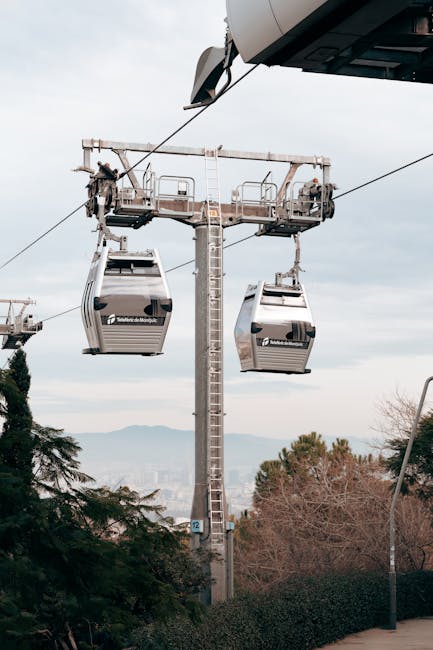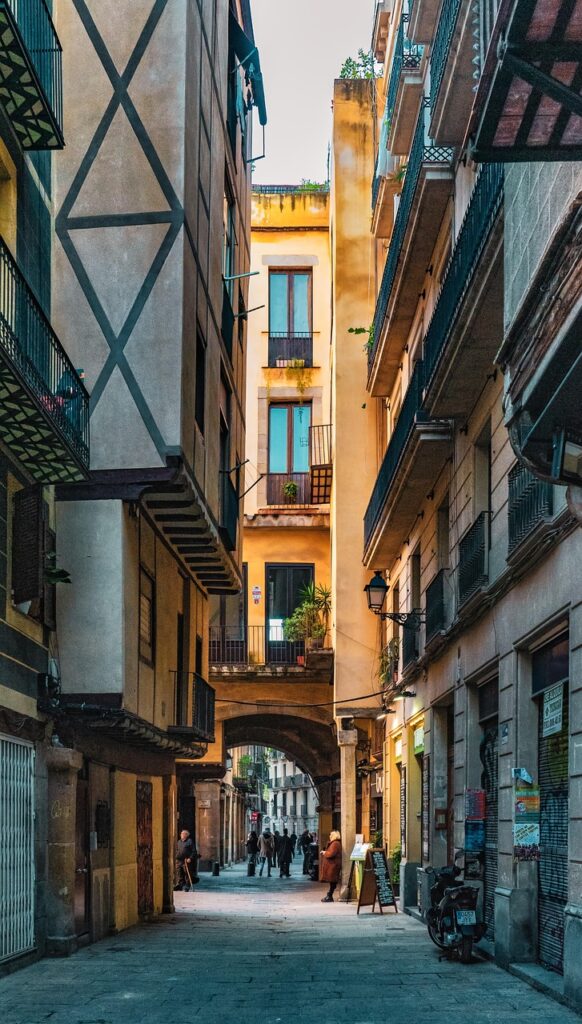






Introduction — Understanding Local Transport Tickets in Barcelona
Barcelona is a compact but lively Mediterranean metropolis: between museums, beaches, historic neighborhoods and industrial suburbs, people are constantly on the move. For the savvy traveler, understanding local transport tickets can save time and money, avoid queues and make getting around stress‑free. This guide explains in detail how the T‑Casual card works — one of the most commonly used tickets by residents and visitors — and presents other local options (T‑Familiar, T‑Usual, Hola Barcelona, single tickets, T‑DIA, airport services, tram and commuter trains). You’ll find exact addresses for sales points, typical opening hours, current prices (with time‑sensitive notes), how to validate tickets, usage tips and practical tricks to get the most out of Barcelona’s transport network.
Barcelona’s metropolitan fare system is organized by ATM (Autoritat del Transport Metropolità) and mainly operated by TMB (Transports Metropolitans de Barcelona) for the metro and city buses, FGC (Ferrocarrils de la Generalitat de Catalunya) for certain suburban lines and commuter trains, and Renfe for longer‑distance trains and some Cercanías services. Tickets are zoned (Zone 1 covers most of the city): depending on your routes and length of stay, some tickets will suit you better than others. This guide gives the features of each ticket and concrete route examples (airport → city center, center → beach, night trains) plus local tips — for example how to combine metro and tram to avoid a crowded transfer, or which ticket machines offer English/French languages.
Throughout this article I’ll detail where to buy and top up these tickets (man desks, ticket machines, tobacco kiosks, official apps), how to validate them correctly (mag stripe vs NFC chip), which concrete tourist sites are covered (Sagrada Família — Carrer de Mallorca 401, 08013 Barcelona; Plaça de Catalunya — Plaça de Catalunya, 08002 Barcelona; Estació de Sants — Plaça dels Països Catalans, 1, 08014 Barcelona), and I’ll share local advice to avoid common mistakes (e.g., not validating the same card twice, avoiding buying an inappropriate ticket for a short stay). The suggested images  and
and  will accompany the most visual paragraphs to help you spot the locations.
Before diving into technical and fare details, keep in mind three simple principles: 1) identify your zone (most tourist visits stay within Zone 1); 2) estimate the number of journeys or the length of your stay; 3) favor rechargeable tickets if you plan to stay several days. By the end of this guide you’ll know exactly which option to choose between T‑Casual, T‑Familiar, T‑Usual, Hola Barcelona and others, where to buy them, how to validate them and how to optimize getting around Barcelona.
What Is the T‑Casual Card? Features, Price and How to Use It
The T‑Casual is a prepaid, multi‑ride ticket intended for personal use (it has been debated with tariff changes but is historically very popular). It allows a set number of journeys (traditionally 10 trips) across the public transport in a chosen zone (notably Zone 1): TMB metro, TMB city buses, trams (Trambaix, Trambesòs), FGC metropolitan trains and certain RENFE Rodalies trains within the same zone.
Main features:
- Number of trips: 10 validations (historical); each validation counts as one journey and allows transfers within the specified time window (e.g., up to 75 minutes for local transfers, per ATM rules).
- Use: usually personal and non‑transferable — designed for a single user; during an inspection a controller can refuse if several people try to use the same card at the same time.
- Zones covered: available for different zones (Zone 1 is the most common for tourists). If your travel goes beyond Zone 1 (e.g., airport or excursions to the outskirts), check whether a multi‑zone T‑Casual or another ticket is required.
- Format: magnetic card that can be recharged or mobile card depending on system updates; validated via turnstile or red/yellow validator.
Indicative price (Zone 1): at the most recent reference the price for the T‑Casual 10‑trip ticket in Zone 1 was around €11.35. This fare can change: check the exact price on the ATM website (https://www.atm.cat) or at official sales points. Practical example: if you expect 10 trips (arrival from the airport, trips to Sagrada Família — Carrer de Mallorca, 401 — the Barceloneta beach, Parc Güell — Carrer d’Olot, 5 — and some center return trips), a Zone 1 T‑Casual will often be the most economical choice.
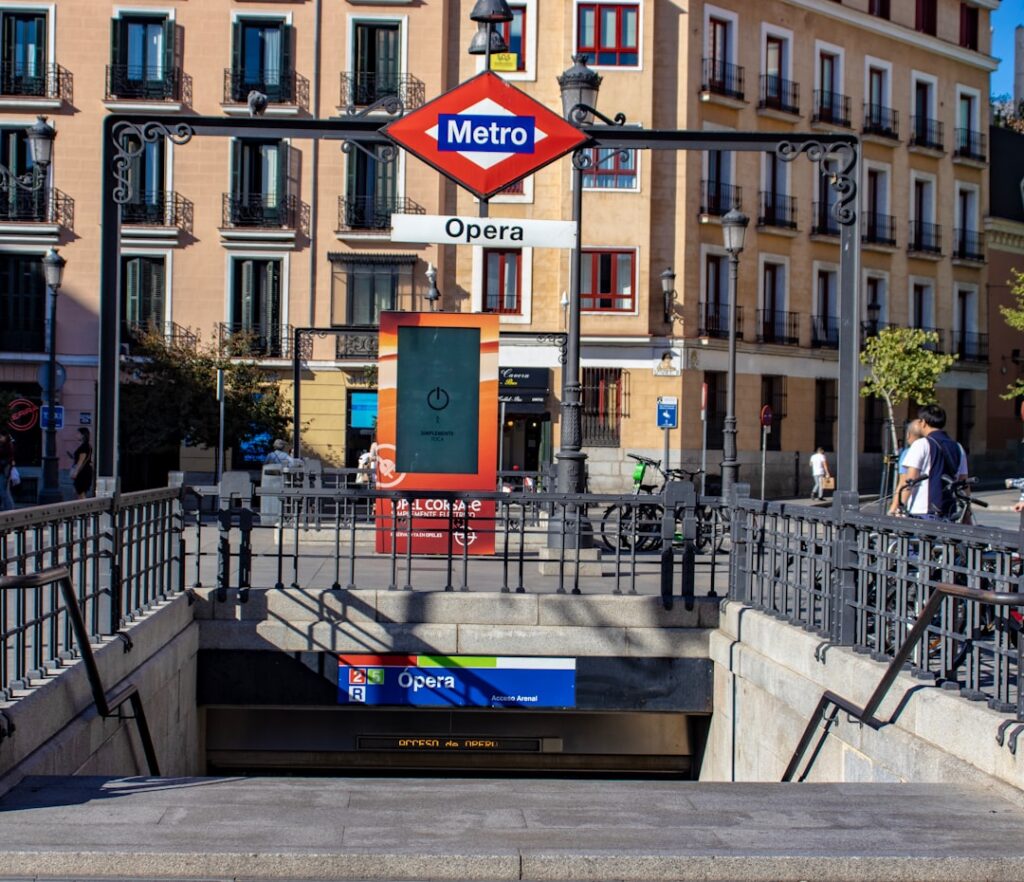
Validation: you must validate the T‑Casual each time you board the first mode of transport (metro, bus, tram) and it will then manage the transfer window. If you change metro lines at Passeig de Gràcia (Passeig de Gràcia, 08007 Barcelona) or Catalunya (Plaça de Catalunya, 08002 Barcelona), remember to tap the card on the validator. Nearly all validators accept magnetic reading and chips; if unsure, look for NFC symbols or the slot to insert the card. On buses, present the card upon entry to the validator to the right of the driver.
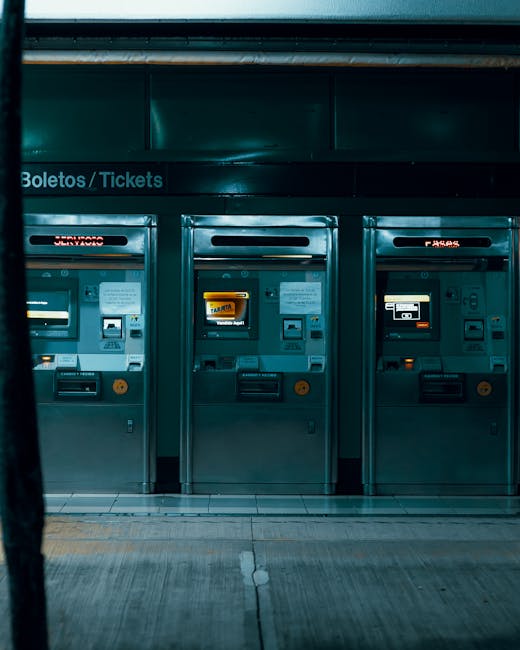
Sales points: you can buy the T‑Casual — or its equivalent — at ticket machines in all metro stations (e.g., Metro Plaça de Catalunya, Passeig de Gràcia, Sants Estació), at TMB ticket counters, some tourist information offices (e.g., Oficina de Turisme de Plaça de Catalunya, Plaça de Catalunya 17) and at some tobacco kiosks/estancos. Machines accept cash and cards, often offer multiple languages (Spanish, Catalan, English, French) and let you choose the desired zone before purchase.
Other Important Local Tickets: T‑Familiar, T‑Usual, Hola Barcelona and Single Tickets
Beyond the T‑Casual, several complementary tickets exist to suit specific needs: groups, residents, short‑stay visitors or occasional round trips. Below is a practical overview of each option with prices and usage tips.
T‑Familiar
The T‑Familiar is a non‑nominal multi‑person ticket designed for small groups or families sharing journeys. It contains a certain number of validations (historically: 8 validations) and can be used by several people at the same time as long as validations remain. T‑Familiar is ideal for a couple or family doing several trips together (e.g., airport → hotel → beach → Sagrada Família).
Price (Zone 1): the T‑Familiar was priced close to €11.35 for 8 validations (prices vary by period). Usage: present the card to the validator; each pass consumes one validation. Advantage: shareable; downside: non‑refundable and may be less economical if many trips are solo.
T‑Usual
The T‑Usual is a personal, nominative monthly subscription for people living or working in Barcelona. It offers unlimited journeys for 30 consecutive days within the chosen zone. This ticket is useful for extended stays or new residents.
- Price (Zone 1): the monthly T‑Usual subscription is around €40.00 (indicative). Discounts exist for young people and low‑income residents through ATM social programs.
- How to obtain: often requires an ID photo and registration formalities at a TMB counter or online via the official site.
Hola Barcelona Travel Card
The Hola Barcelona offer is designed for tourists who want the freedom to use the network without limits for a short period: 48, 72, 96 or 120 hours (2 to 5 days). It includes unlimited travel on the metro, TMB city buses, trams and ATM trains in the covered zones — very handy for a long weekend or an intensive short stay.
Indicative prices (Hola Barcelona — Zone 1):
- 48 hours: €16.30
- 72 hours: €23.70
- 96 hours: €31.20
- 120 hours: €38.70
Purchase: available at metro ticket machines, tourist info desks (e.g., Oficina de Turisme de Plaça de Catalunya, Plaça de Catalunya 17), and online (official Hola Barcelona site / resellers). Advantage: total freedom and simplicity; downside: if you make few journeys, a T‑Casual or single tickets might be cheaper.
Single Tickets and T‑DIA
A single ticket (one journey) is useful for a one‑off trip around the city. Price (Zone 1): the single ticket was generally ≈ €2.40 for one trip (indicative). The T‑DIA is valid for unlimited journeys during one full day (24 hours); approximate Zone 1 price ≈ €10.50. Single tickets are bought at ticket machines; the T‑DIA is handy if you plan many trips concentrated in one day (e.g., visiting Sagrada Família, Park Güell, Poble Espanyol and the beach in one day).
Note: for Barcelona‑El Prat Airport (Aeroport Barcelona‑El Prat, 08820 El Prat de Llobregat), access via metro L9 South requires a specific airport ticket or a ticket that covers the corresponding zone; since 2018 zone fares have been simplified for some tickets, but it’s essential to check whether your chosen ticket covers airport access.

How to Buy, Top Up and Validate Your Tickets — Sales Points and Opening Hours
Knowing where and when to buy or top up your ticket is as important as knowing how it works. Here’s a detailed list of main sales points, addresses, typical hours and practical tips:
- TMB Ticket Counter – Plaça de Catalunya: Oficina de Turisme / TMB Desk, Plaça de Catalunya 17, 08002 Barcelona. Typical hours: 08:00–20:00 (seasonal variations). Services: sale of T‑Casual/T‑Familiar, Hola Barcelona, tourist information.
- Estació de Sants (Sants Estació): Plaça dels Països Catalans, 1, 08014 Barcelona. Station hours: ticket counters roughly 05:00–01:30 (depending on train schedules). This is one of the main hubs: sales, topups, FGC and Renfe info.
- Passeig de Gràcia Metro: Passeig de Gràcia, 08007 Barcelona. Ticket machines available during metro operating hours (approx. 05:00–00:00; nights and weekends vary).
- Barcelona‑El Prat Airport, Terminal 1: Aena, 08820 El Prat de Llobregat. Sales points: ticket machines and information desks in arrivals hall. Hours: operate according to airport traffic (some machines are available 24/7).
- Tobacco kiosks / Estancos: many in the city center (e.g., Carrer de la Rambla, 91); sometimes sell T‑Casual/T‑Familiar. Opening hours vary: typically 08:00–21:00.
Online purchase and apps: some tickets can be bought or reserved via the official Hola Barcelona site or via the TMB App / ATM Barcelona app. Buying online helps avoid queues and can provide a voucher to exchange at a desk or sometimes a QR code to validate. Note: for physical, nominative cards like the T‑Usual, you may need to collect them at a counter with ID.
Detailed validation:
- On the metro: tap the card or place it on the NFC area and wait for the green beep; the turnstile will open if validation is accepted. Don’t remove the card before the final beep on some modern turnstiles.
- On the bus: validate the card as you board on the validator near the driver; the rear of the bus usually does not accept validation.
- On the tram: validate at one of the validators before boarding.
- Inspections: keep the card until the end of your journey; if inspected you’ll need to present it to the controller. Fines for traveling without a valid ticket can be high (often > €100 before appeals).
Timing tips: Barcelona’s metro generally runs from 05:00 to midnight on weekdays, with extended hours on Friday nights (throughout the night on some lines) and continuous service on weekends for certain lines (check before you travel). Ticket counters may close earlier, so use ticket machines for late purchases. For very early trips to the airport, favor the Rodalies train (Renfe) from Estació de Sants or Passeig de Gràcia, and the NitBus night buses (routes and schedules on the TMB site).
Practical Tips, Typical Routes, Common Mistakes and Cost Optimization
This final chapter gathers concrete tips to optimize your travel, sample routes and a list of common mistakes to avoid.
Typical routes:
- Airport (Terminal 1) → City center / Plaça de Catalunya: Fast option is the Aerobus (line A1/A2) from the terminal with final stop Plaça de Catalunya (Plaça de Catalunya, 08002 Barcelona). Aerobus price ≈ €5.90 one way (indicative 2024 fare), buy online or at machines. Cheaper alternative: Rodalies R2 North train from Airport Terminal 2 (if you use the T1→T2 shuttle) to Passeig de Gràcia (Passeig de Gràcia, 08007) or Sants Estació (Plaça dels Països Catalans, 1, 08014); check whether your ticket (T‑Casual/T‑Familiar/T‑Usual/Hola) covers airport access per zone.
- Center → Barceloneta beach: Metro L4 (Yellow) toward La Pau; get off at Barceloneta (Passeig de Joan de Borbó, 08003 Barcelona) or Ciutadella‑Vila Olímpica (Passeig Isabel II, 08003). Validate your T‑Casual when you start and keep it for the return.
- Cultural day (1 day): Sagrada Família (Carrer de Mallorca, 401) → Passeig de Gràcia (Casa Batlló, Passeig de Gràcia, 43) → Parc Güell (Carrer d’Olot, 5) → evening in El Born (Carrer de l’Argenteria). For this kind of route, the Hola Barcelona 24h/48h or the T‑DIA can be more suitable than several single tickets.
Common mistakes and how to avoid them:
- Not checking the zone: if you use metro L9 South to the airport, make sure your ticket covers that zone. Otherwise you risk a fine.
- Forgetting to validate on transfers: when changing from a Renfe commuter train to the metro, remember to validate if you move between networks (rarely required but depends on zones).
- Confusing T‑Casual (personal) with T‑Familiar (multi‑person): during inspections, multiple people attempting to use the same T‑Casual may face penalties.
- Buying a nominative ticket too early: for the T‑Usual, prepare a photo and documents to avoid a second trip to the counter.
Cost optimization:
- For 2–3 days with many trips: Hola Barcelona 48/72h often offers the best value.
- For a 4–7 day stay with moderate travel: compare the cost of a T‑Casual (10 trips ≈ €11.35) with single tickets. If you expect more than 10 trips, a T‑Usual (for residents) or Hola 96/120h becomes cost‑effective.
- Groups/families: prefer the T‑Familiar if you’ll be sharing multiple trips.
Helpful local tips:
- Always keep a small paper map or a screenshot of the network: mobile coverage can be weak in some metro tunnels.
- Avoid showing valuables when entering crowded stations (pickpocketing is common near La Rambla and Plaça de Catalunya).
- During rush hours (08:00–09:30 and 17:30–19:30), expect very crowded stations; if possible, schedule visits and transfers slightly outside these slots.
- Useful addresses: Oficina de Turisme Plaça de Catalunya — Plaça de Catalunya 17, 08002 Barcelona (info and ticket sales); Sants Estació — Plaça dels Països Catalans, 1, 08014 Barcelona (main train hub).
Conclusion — Which Ticket Should You Choose for Your Barcelona Stay?
Choosing between T‑Casual, T‑Familiar, T‑Usual, Hola Barcelona or single tickets depends mainly on the length of your stay, the number of planned trips and the type of travel (solo or group). For a short, intensive tourist stay (lots of visits over a few days), the Hola Barcelona (48h, 72h, 96h or 120h) gives total freedom and removes the need to worry about validations. For low‑cost flexibility and simplicity, the T‑Casual (10 trips) is often the best compromise for travelers making several but not continuous trips. Families and small groups will prefer the T‑Familiar to share the cost; residents and long stays should opt for the monthly T‑Usual.
In practice: buy your ticket as soon as possible after arrival if you can (Sants Estació counters, Plaça de Catalunya desks, airport ticket machines) and check zone coverage if you plan excursions outside Zone 1 (e.g., Sitges, Montserrat). To validate correctly, follow the instructions on the validators (NFC/magnetic) and keep your ticket if checked. Finally, consult official TMB (https://www.tmb.cat), ATM (https://www.atm.cat) and Hola Barcelona sites for up‑to‑date fares and schedules before you travel — the prices mentioned in this guide are indicative based on the last public update and may change.
With this information you’re ready to pick the best transport ticket for Barcelona, save on journeys and fully enjoy the city: stroll down La Rambla, visit the Sagrada Família (Carrer de Mallorca, 401), have paella near Barceloneta and easily reach Montjuïc hill for an unforgettable sunset. Have a great trip, and feel free to come back to this guide or ask for personalized routes based on your hotel and interests.