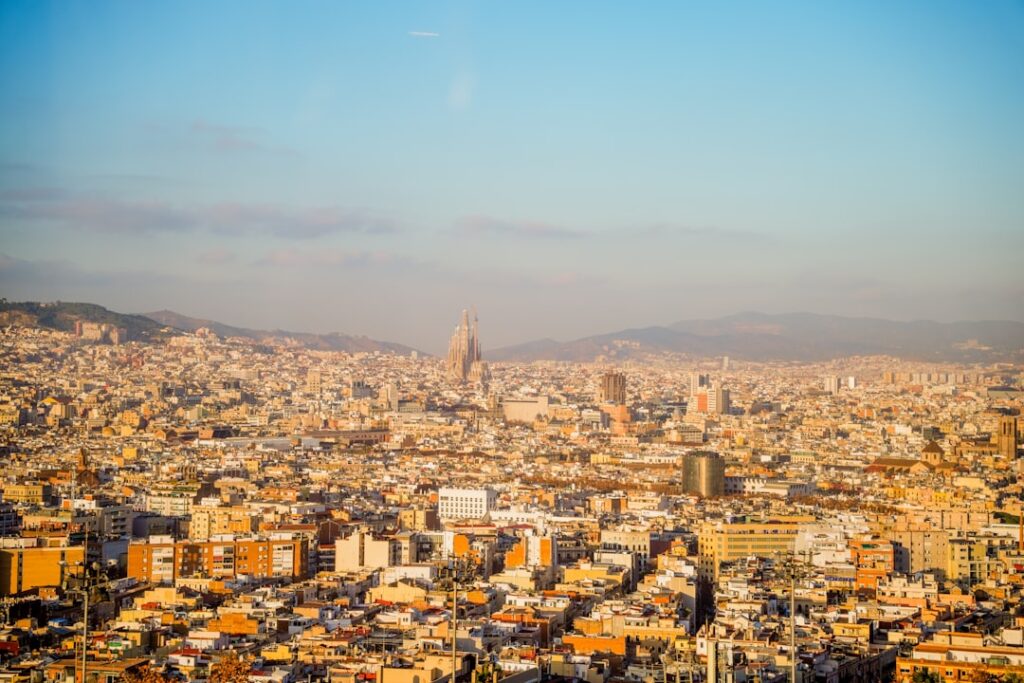






Introduction: Getting Around Barcelona Without Breaking the Bank
Barcelona is a city of contrasts — Mediterranean beaches, Gothic quarters, modernist boulevards — and its mid-size makes it especially easy to explore using a well-designed public transport system. For budget-minded travelers, the metro, bus and tram network, mainly run by Transports Metropolitans de Barcelona (TMB) and other regional operators, offers excellent value. This article is a practical, up-to-date guide to using these economical transport options in Barcelona: how tickets work, where to buy them, typical schedules, which lines to favor for top sights, and local tips to save time and avoid costly mistakes.
We cover the essentials: prices in euros (given as a 2024 reference), exact addresses for major stations and ticket points, typical hours and night options, plus immersive descriptions of stations and routes. You’ll also find practical advice for planning routes — for example how to link El Prat airport to the city center on a budget, which stops to use for La Sagrada Família or Park Güell, and how to combine tram and metro to reach outlying neighborhoods like Diagonal Mar or Poblenou.
Whether you’re in Barcelona for a short tourist stay, an extended business trip or as a stopover before exploring Catalonia, this guide will help you optimize your travel. We’ll explain useful ticket types (single ticket, T-casual, Hola Barcelona), the fare structure by zones, and complementary services like the Aerobús, the tram networks (Trambaix and Trambesòs), and the NitBus night lines. Finally, you’ll get local recommendations — areas best explored on foot, times to be wary of pickpockets, and tips for topping up a T-mobilitat card or buying tickets via an official app.
Before you go, remember fares and schedules can change; always check official sources like TMB (www.tmb.cat) or the regional government (www.gencat.cat) before traveling. The amounts shown here are intended to give you a ballpark for comparison and on-the-ground decisions.
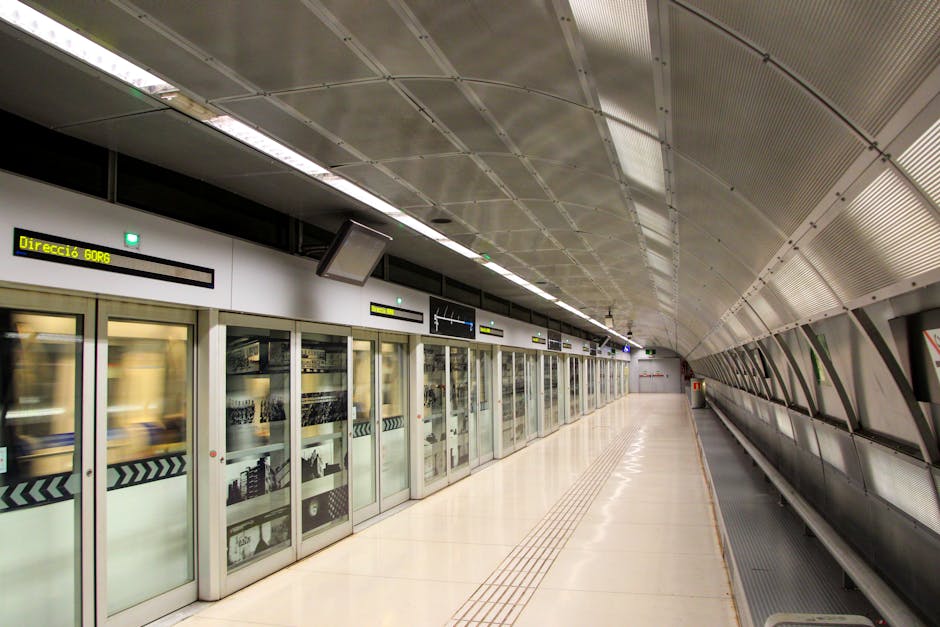
The Barcelona Metro: Fast, Dense and Budget-Friendly
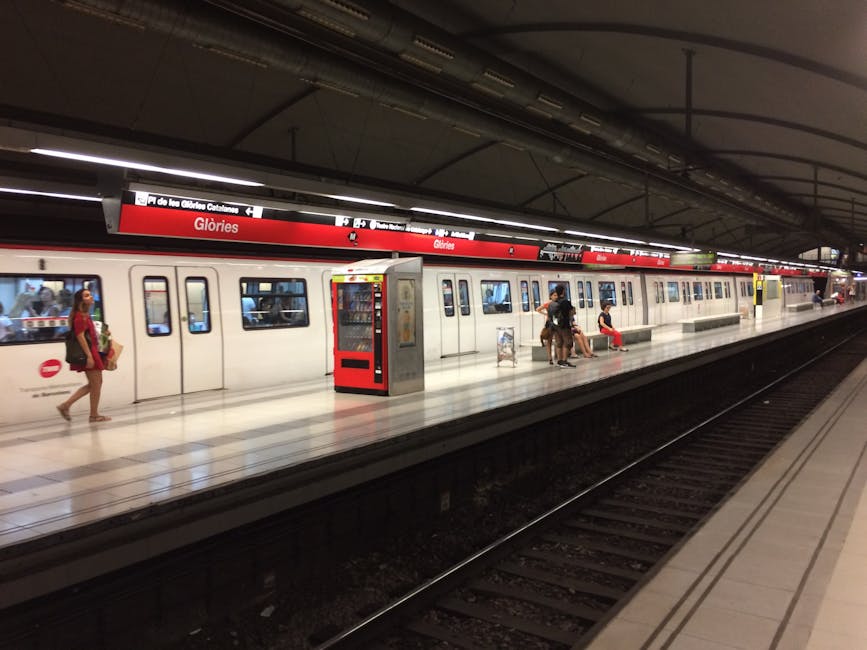
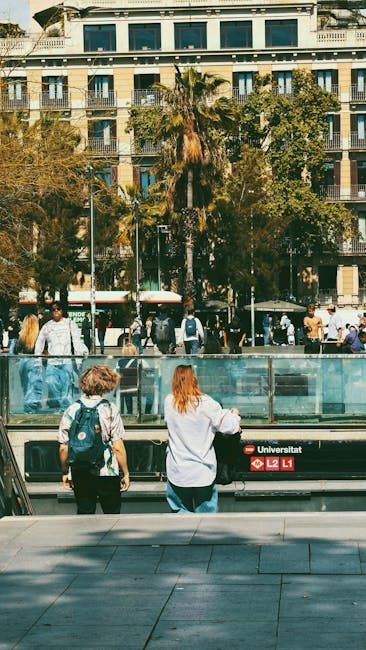
The Barcelona metro is the backbone of city transport: six main color-coded lines (L1 red, L2 purple, L3 green, L4 yellow, L5 blue) plus additional lines and connection services. The main operator is Transports Metropolitans de Barcelona (TMB). The network covers the city center and major tourist hubs, with key stations like Sants Estació (Plaça dels Països Catalans, s/n, 08014 Barcelona), Plaça de Catalunya (Plaça de Catalunya, s/n, 08002 Barcelona) and Passeig de Gràcia (Passeig de Gràcia, 1, 08007 Barcelona).
Hours: indicative times for 2024 — generally 5:00–24:00 Monday to Thursday, extended service on Fridays (until around 2:00) and broader weekend operations on some lines; check holidays and special events. The network is busiest during peak hours (8:00–10:00 and 17:00–19:30), great for quick travel but avoid if you want more space, especially at tourist-heavy stations like Sagrada Família (Carrer de Mallorca, 401, 08013 Barcelona).
Fares and tickets: a single journey ticket costs about €2.40 (zone 1, single purchase at machines). If you expect multiple trips, consider:
- T-casual (10 trips, zone 1): ≈ €11.35 — a non-personal paper ticket, handy for small groups or a week of sightseeing.
- Hola Barcelona (digital tourist passes): 48 hours ≈ €16.40, 72 hours ≈ €23.70, 96 hours ≈ €30.80 — unlimited travel on metro, bus and tram within the included zones.
- T-usual: a personal monthly subscription at a reduced rate for regular residents (price varies around €40–50 depending on zones).
Practical tips: buy tickets from the multilingual machines in each station or via the TMB/ATM app. Validators are at station entrances; keep your ticket for random inspections. To reach Barcelona’s El Prat Airport (Aeroport de Barcelona–El Prat, 08820 El Prat de Llobregat) from the center, the L9 Sud line connects the airport to southern parts of the metro area — however, it can require transfers and might not be the fastest option depending on your terminal; the Aerobús is often simpler for a direct transfer to Plaça de Catalunya.
The Urban Bus Network: Flexibility and Wide Coverage
Barcelona’s bus network, mostly operated by TMB, complements the metro with frequent stops and fine-grained coverage of the urban fabric — ideal for direct routes the metro doesn’t serve. Buses are especially handy for areas like Montjuïc, Tibidabo (terminus of Bus 196/196F from Plaça de Catalunya) or residential neighborhoods where metro stations are sparse.
Main lines and points of interest:
- Route D20 / H16: serves Avinguda del Paral·lel (near the Arena and Raval neighborhood).
- Line 7: links Plaça de Catalunya to Avinguda Diagonal via Passeig de Gràcia (a good shopping option).
- Aerobús: express service between the Airport (Terminal 1 / Terminal 2) and Plaça de Catalunya, s/n, 08002 Barcelona. Price ≈ €5.90 one-way (2024), frequency every 5–10 minutes, hours roughly 5:35–1:00 depending on season.
- NitBus: the night bus network covering the city and the airport; standard ticket ≈ €2.40.
Hours: daytime lines typically run from about 5:00 until midnight/1:00 depending on the line; NitBus takes over at night (less frequent — check exact timetables at stops). Buses are convenient in the evening when the metro stops earlier; look for lines prefixed with N (e.g., N17, N16) for night routes.
Buying tips: use the same card/ticket as the metro (T-casual, Hola Barcelona) — this makes transfers seamless. You can buy a single ticket directly from the driver (cash or card depending on the line) but fares may be slightly higher; better to top up a multi-ride ticket at machines if you expect 3 or more trips.
Local advice: to get to Barceloneta beach, get off at Barceloneta (Passeig Joan de Borbó); for Montjuïc, take buses D20, 55 or the funicular from Parc de Montjuïc (Avinguda Miramar, 08038 Barcelona). Be cautious during peak tourist season (April–October): central lines like the 59 or V15 are very crowded around midday.
The Tram (Trambaix and Trambesòs): Modern, Comfortable Surface Travel
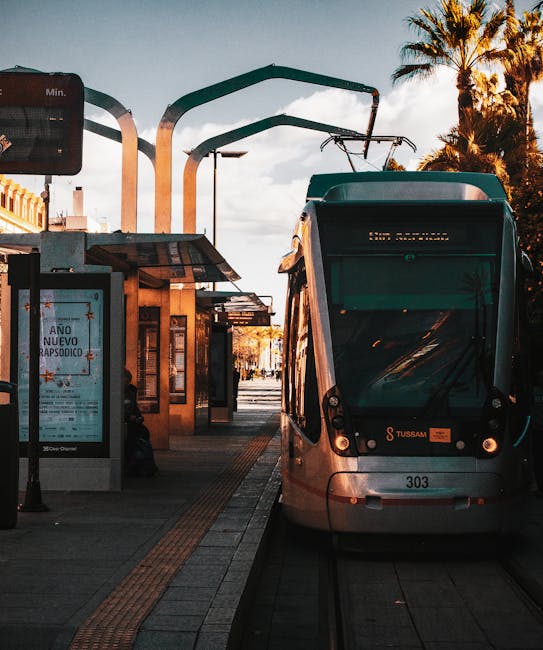
Barcelona’s tram system is split into two complementary networks: Trambaix (lines T1, T2, T3) serving the west and southwest of the metro area (Diagonal area, L’Hospitalet de Llobregat, Cornellà); and Trambesòs (lines T4, T5, T6) serving the northeast (northern Diagonal, Sant Martí, Parc del Fòrum). Trams are spacious, accessible and a pleasant alternative to the metro — great on sunny days for routes along Avinguda Diagonal or to Diagonal Mar.
Practical examples:
- Take line T4 to reach Parc del Fòrum and Nova Mar Bella beach from the center. Key stop: Rambla de Prim, s/n, 08019 Barcelona.
- Use T3 (Trambaix) to access Plaça Francesc Macià (Avinguda Diagonal, 08021 Barcelona) and continue toward western residential and shopping areas.
Fares: trams use the same integrated fare as metro and bus: single ticket ≈ €2.40, T-casual and Hola Barcelona valid depending on zones. Frequency: generally every 6–12 minutes during the day; less frequent in the evening. Hours: roughly 5:30–23:30 depending on line and season; check each line individually as termini and schedules vary.
Pros: comfortable vehicles, low-floor accessibility and a surface view that makes it easy to spot your stop. Cons: the tram covers fewer zones than the metro; during major events (local festivals) some sections may be diverted.
Local tip: to visit the modern Diagonal Mar area and the Centre Comercial Diagonal Mar (Avinguda Diagonal, 3, 08019 Barcelona), take the Trambesòs and get off at Parc del Fòrum or Diagonal Mar. Trams are also handy for combining a scenic walk along the waterfront with public transport.
Practical Tips, Safety and Ways to Save
Getting around Barcelona smartly isn’t just about fares: safety, planning and a few local tricks will save you time and money. Here are best practices to follow:
- Buy a multi-day pass to improve value — if you plan more than four trips a day, the Hola Barcelona pass or a T-casual (for groups) will often be cheaper than single tickets.
- Validate at every transfer — at stations, validate your ticket at the entrance; for trams and buses, validate on board if required. Checks are common and fines are steep if you haven’t validated.
- Avoid buying from off-site sellers — buy tickets at official machines in metro stations (e.g., Plaça de Catalunya, Sants Estació) to avoid surcharges. Main tourist information point: Oficina de Turisme de Barcelona, Plaça de Catalunya, s/n, 08002 Barcelona.
- Watch out for pickpockets — higher-risk areas: La Rambla, Liceu station (La Rambla, 08002), and crowded metros during peak hours. Keep bags closed and monitor your belongings, especially near tourist stops like Barceloneta and Sagrada Família.
- Top up a T-mobilitat card for longer stays — the T-mobilitat (digital/reusable card) lets you load passes and tickets and avoids paper tickets for each trip.
- Use official apps — the TMB App and Moovit provide real-time times, disruption alerts and multimodal route planning (metro + tram + bus).
- Plan airport arrival/departure in advance — the Aerobús (Terminal 1/Terminal 2 → Plaça de Catalunya) is often the simplest option; fare ≈ €5.90 one way (2024). If you have lots of luggage, a taxi from Aeroport de Barcelona–El Prat (fixed fares vary by zone) can still be a competitive choice.
Following these habits will not only save you money but also make your stay in Barcelona more enjoyable by reducing transport-related stress. Don’t hesitate to mix walking and public transit: the historic center is very walkable and often the fastest choice for short distances.
Conclusion: Pick the Right Mix for an Affordable, Smooth Stay
Barcelona offers a rich, complementary public transport network: metro for speed, buses for flexibility and trams for comfortable surface travel. With reasonable fares (single ticket ≈ €2.40, T-casual ≈ €11.35 for 10 trips, Aerobús ≈ €5.90), you can see most of the city without splurging on taxis. The key to an economical stay is planning: choose the ticket type that matches your stay length and daily movements, use official apps to save time, and combine metro, tram and bus based on your destinations (Beaches: tram and bus, Sagrada Família: metro L2/L5, airport: Aerobús or L9 depending on terminal).
In practice, buy your first card or ticket as soon as you arrive at a major station (e.g., Plaça de Catalunya, Passeig de Gràcia, Sants Estació), keep validated tickets for possible checks, and avoid the busiest times for a more pleasant experience. For families or groups, the T-casual is often the most economical solution; for short, highly mobile tourists, the Hola Barcelona pass may be the best option. Finally, remember the city evolves: fares, hours and services can change. Always consult official resources (TMB, ATM, Aerobús) before you travel.
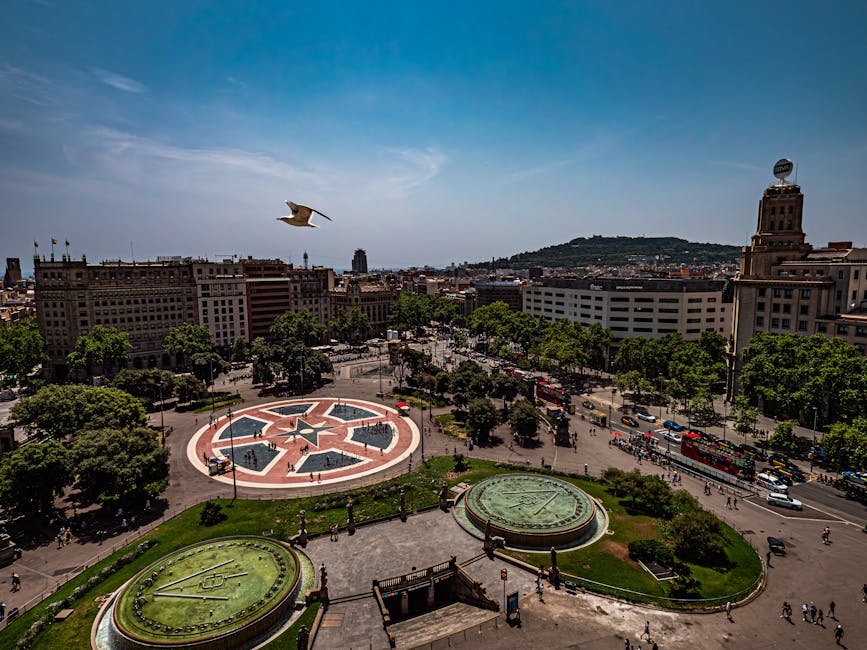
Follow these tips and you’ll make the most of Barcelona: from the lively Plaça de Catalunya (Plaça de Catalunya, s/n, 08002 Barcelona) to the coastline beaches and modernist boulevards — all while keeping your budget in check. Safe travels and happy exploring — let the tram and metro be your faithful companions.