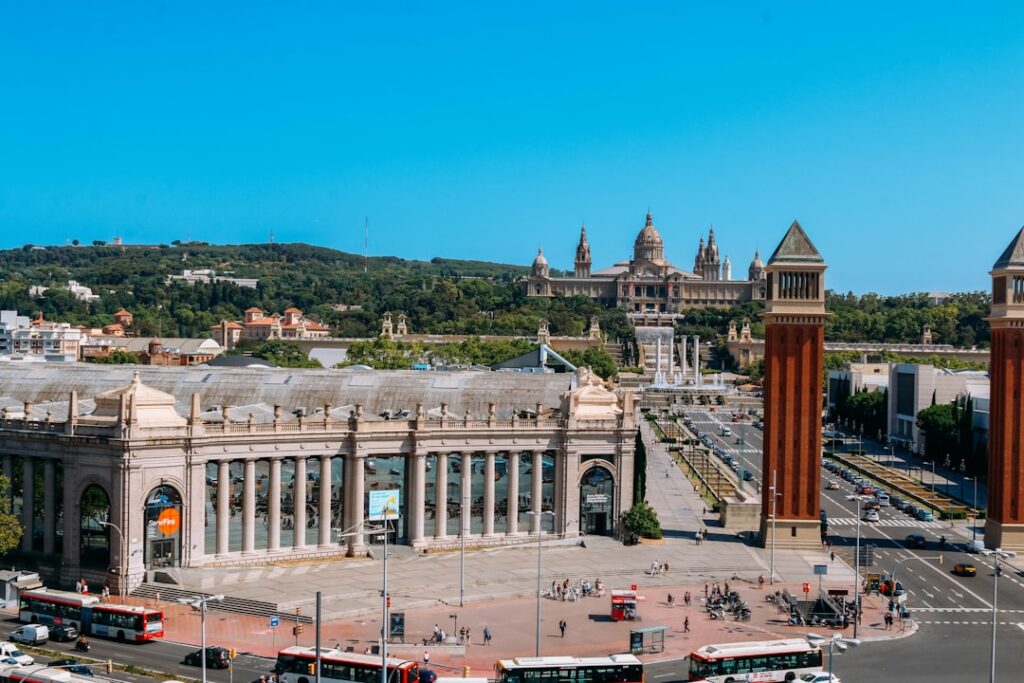






Introduction — Why you should look into Barcelona transport passes
Barcelona is compact but packed with things to see: the Sagrada Família, Park Güell, La Rambla, the beaches of Barceloneta, and the museums of El Born and Montjuïc. For a visitor, getting your head around public transport options isn’t just about saving money — it’s the key to making the most of your time, staying less tired, and experiencing the city like a local. This article gives a practical, up-to-date overview of the passes and tickets visitors can use, with exact addresses for points of sale, opening hours, prices in euros, and hands-on advice to balance cost and comfort.
There are plenty of options: single tickets, multi-ride booklets, unlimited cards for 48 to 120 hours, family passes, airport shuttles and tourist passes that sometimes include museum entry. Each solution has pros and cons depending on how long you stay, how fast you’ll move around, and how far you plan to go (city centre only or excursions into Zone 2 and beyond). This guide will help you choose between a multi-ride booklet like the T-Casual, a time-limited pass like the Hola Barcelona Travel Card, combo offers (transport + attractions) and the best ways to get in from Barcelona–El Prat airport.
We’ll also cover where to buy these tickets (counters and machines), operating hours of main services (metro, regional trains, Aerobús) and practical tips — for example how to validate a ticket, avoid rush hour, and which lines to favour depending on your route. You’ll find information about the zonal fare system (Zone 1 covers most tourist spots) and official contact details: TMB (Transports Metropolitans de Barcelona) offices, the Autoritat del Transport Metropolità (ATM) and ticket desks at the airport and major stations.
Finally, this guide includes local tips — where to grab a tapa near a convenient station, how to combine cycling with the metro, and safety tips to keep your tickets and documents secure. Prices and schedules are shown in euros and local time; remember fares can change, and we point out where to check official updates at the end of the article. Plan with peace of mind: understanding Barcelona’s transport passes means less time organising trips and more time enjoying the city.
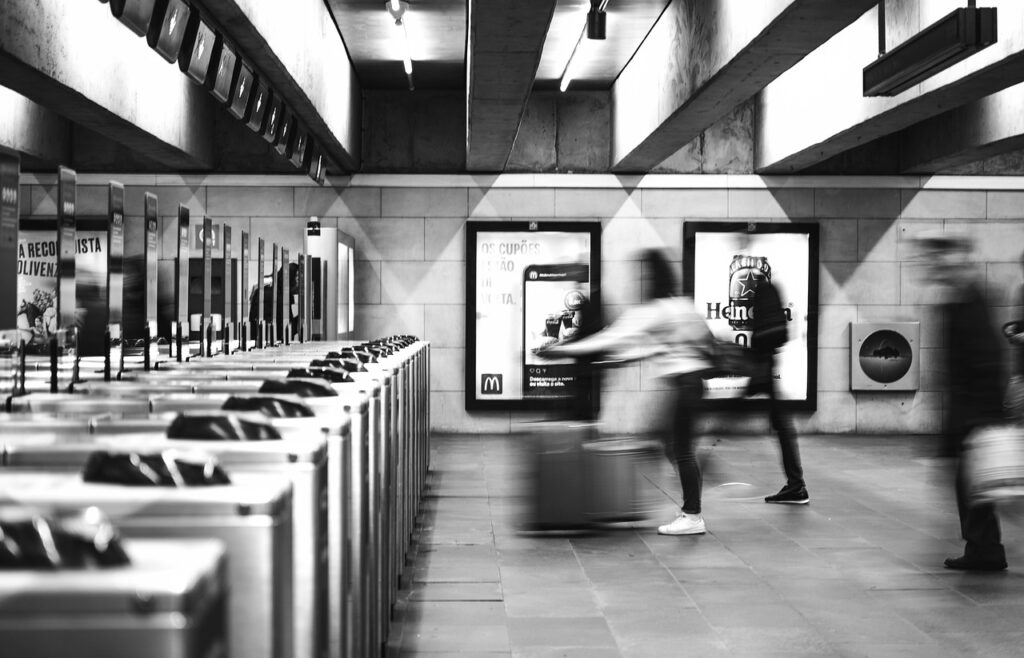
The network and key access points: where to buy and how it works
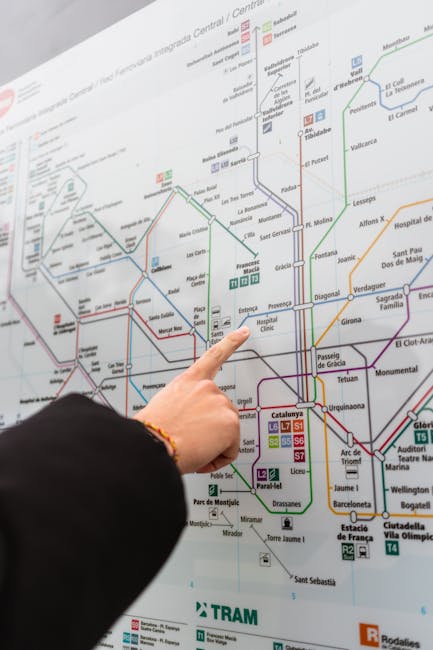
To get your bearings, start by memorising a few important addresses and places where you can buy or top up tickets:
- Estació de Sants — Plaça dels Països Catalans, 1, 08014 Barcelona. Major railway station and sales point for regional trains and some ATM services. Opening hours: ticket offices typically 06:00–22:30 depending on operator, machines available 24/7.
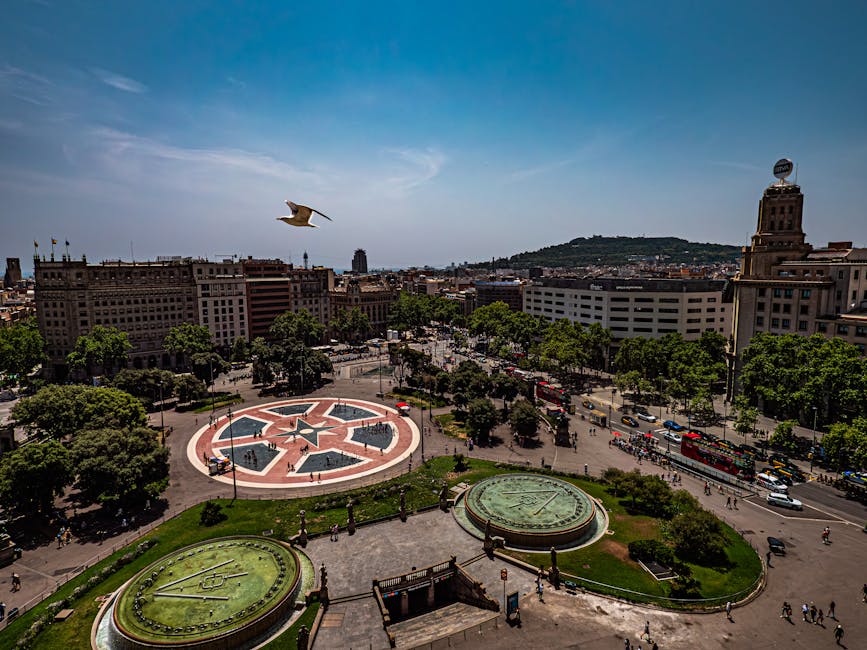
- Plaça de Catalunya — Plaça de Catalunya, 08002 Barcelona. Central metro hub (L1, L3) with many TMB machines. Tourist information desk and sales point for tourist cards. Hours: info desks 09:00–20:00 in high season, machines 24/7.
- Aeropuerto de Barcelona-El Prat — Josep Tarradellas Barcelona–El Prat Airport, 08820 El Prat de Llobregat. Sales points for the Aerobús and machines for the L9 Sud metro. Airport: information desks may be open 24/7 in arrival halls depending on terminal.
- Oficina ATM – Autoritat del Transport Metropolità — Gran Via de les Corts Catalanes, 635, 08010 Barcelona. Fare information and sales for certain season passes. Hours: 09:00–14:00 and 16:00–18:00 on working days (check before you go).
Ticket machines: most tickets (single fares, multi-ride booklets and time-limited cards) are bought at the machines in every metro station and FGC/RENFE station. They accept bank cards and cash (in most machines). For special tickets (for example combined tourist cards) official counters and tourist offices can assist in English and French.
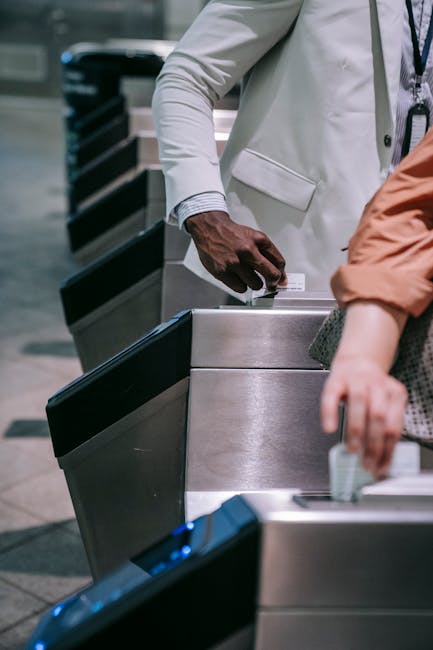
Validation: all integrated tickets (booklets and unlimited cards) start when you validate the first time at the turnstile. The T-Casual (single-user 10-ride booklet) is validated on every boarding; the Hola Barcelona Travel Card activates on first validation and counts in hours (48h, 72h, etc.). Note that some airport journeys (L9 Sud metro and R2 Nord train) require a specific airport fare if you leave the zones included — check the zone sticker on the ticket.
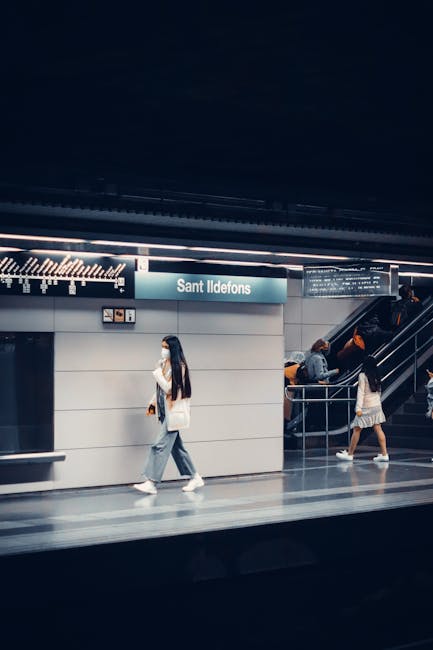
The most useful tickets for visitors: a practical comparison and prices in euros
Here are the most common options suited to visitors, with indicative prices in euros and recommended uses:
- Single ticket — approximate price: €2.50 per trip (Zone 1). Use: single, occasional trips if you only plan a few journeys. Valid for one journey with limited transfers (60–75 minutes depending on the connection).
- T-Casual (10-ride individual booklet) — indicative price: €12.35 for 10 rides (Zone 1). Use: ideal for a short stay (3–5 days) when you’re travelling solo and expect to take the metro and buses frequently. Non-transferable, one validation per journey. Tip: keep the ticket until you exit; it may be checked.
- T-Familiar (8-ride multi-user booklet) — indicative price: €11.35 (Zone 1). Useful if you’re travelling in a group or family: up to 8 rides can be used by several people at once. Great for 2–4 people sharing journeys.
- Hola Barcelona Travel Card (unlimited travel) — indicative prices: 48h = €16.40, 72h = €23.80, 96h = €30.80, 120h = €38.00. Offer: unlimited travel on metro, TMB buses, tram, Renfe Cercanías (Rodalies/Renfe) and FGC within included zones (mainly Zone 1). Ideal for intensive visitors who prefer not to validate each trip. Buy online or at official machines.
- Aerobús (airport shuttle, not integrated) — price: about €6.90 one way, €13.80 return (seasonal variations). Lines A1 (Terminal 1) and A2 (Terminal 2). Frequency: every 5–10 minutes. Travel time: 25–35 minutes to Plaça de Catalunya. Tip: handy if you have lots of luggage and want a direct ride.
- Rodalies RENFE R2 Nord (airport train) — price: around €4.60 one way (special zone). Frequency: every 30 minutes. Travel time: ~20–25 minutes to Barcelona Sants. Airport station address: Terminal 2, Avinguda d’Exposicions s/n, 08820 El Prat de Llobregat.
- Metro L9 Sud (airport) — price: €5.25 (special airport ticket). Frequency: 7–10 minutes. Hours: roughly 05:00–00:00 (check, timetables can change). Advantage: part of the metro network but requires a special ticket.
Fare notes: the prices shown are indicative and may change slightly with fare updates. Most visitors stick to Zone 1 which covers the majority of tourist sites. If you plan to go to Tibidabo or frequently out towards the Delta del Llobregat or Sitges, check multi-zone fares. For families, the T-Familiar is often the most economical; for solo heavy users, the Hola Barcelona card wins for simplicity.
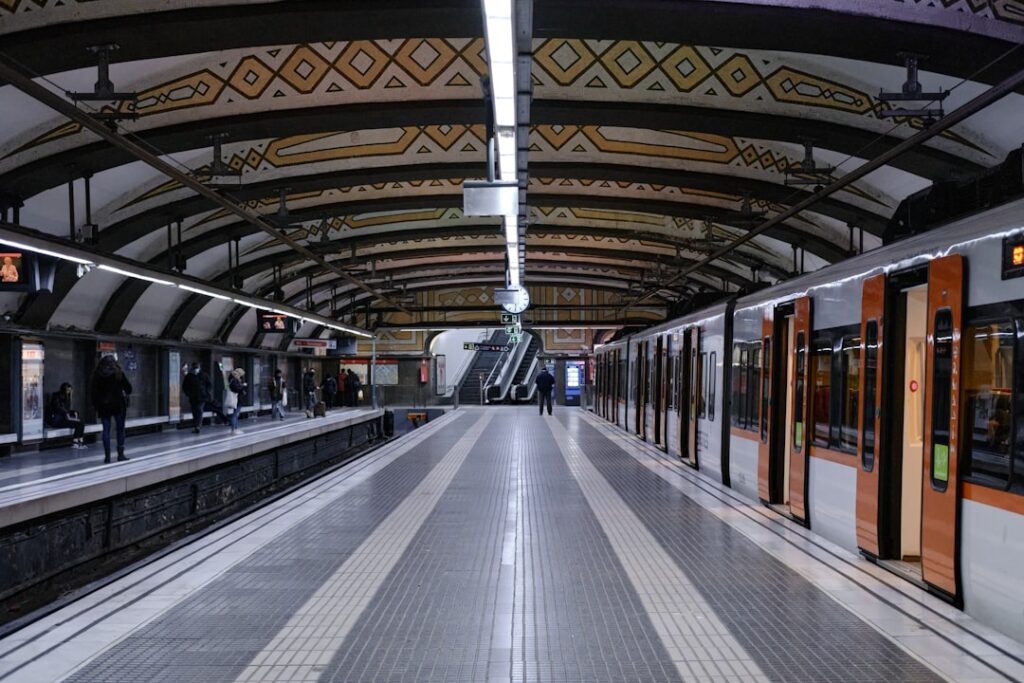
Schedules, frequencies and practical combinations for common journeys
Knowing schedules and frequencies helps you plan your days: when to head out in the morning, how to get home late at night, and which lines to avoid during the busiest times. Here’s practical info for the main services:
- Metro (TMB) — General hours: Monday to Thursday roughly 05:00–24:00; Friday 05:00–02:00; Saturday continuous 24h service (from Friday 02:00 until Sunday 24:00); Sunday 00:00–24:00 (ends Sunday night). Frequency: 2–6 minutes at peak times on central lines (L1, L3, L5), 6–10 minutes off-peak.
- Urban buses (TMB) — Hours: most run from 05:00 to midnight; night buses (Nitbus) cover the city overnight with frequencies of 20–40 minutes. Tip: buses are useful for trips to the outskirts or to reach spots not served by the metro (e.g. certain coastal areas).
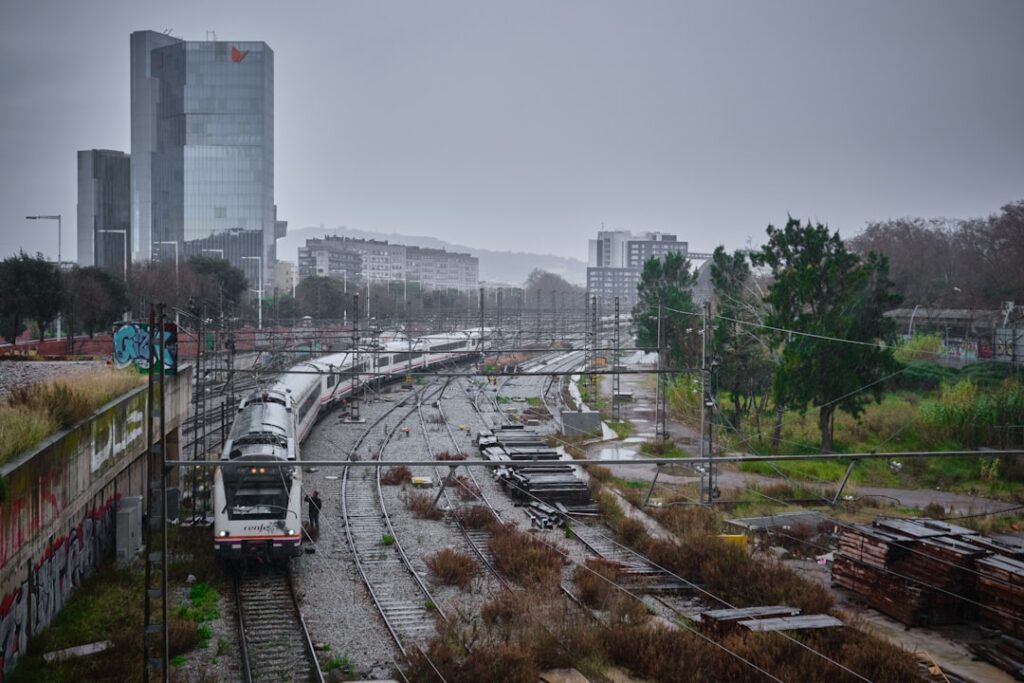
- Rodalies RENFE trains — Hours: generally 05:30–23:30 with varying frequencies by line. Example: R2 Nord (airport) every 30 minutes; R1 along the coast runs more often at peak times. Main stations: Estació de Sants (Plaça dels Països Catalans, 1, 08014), Estació de França and Passeig de Gràcia (Pg. de Gràcia, 08007).
- Aerobús — Lines A1 (Terminal 1) and A2 (Terminal 2). Hours: first shuttle around 05:35, last around 01:00; frequency every 5–10 minutes. Main stops: airport terminal, Gran Via – Plaça d’Espanya, Plaça de Catalunya (Plaça de Catalunya, 08002). Duration: 25–35 minutes depending on traffic.
Practical combinations:
- Arriving at Terminal 2 (RENFE R2 Nord) → Estació de Sants: quick if your accommodation is near Sants or Plaça d’Espanya. Buy an R2 Nord ticket at the airport machine (cost ~€4.60).
- Arriving at Terminal 1 (Aerobús A1) → Plaça de Catalunya: direct, convenient for the Old Town and Eixample. Allow 25–35 minutes and about €6.90.
- Exploring the centre and late returns: prefer metro + Nitbus if you’re out after 23:00; check the Nitbus line that serves Plaça de Catalunya and the Eixample area.
Local tips: avoid L1 and L3 during rush hours (08:00–09:30 and 17:00–19:00) if you’re carrying suitcases; leave a buffer of 30–45 minutes before a train or flight. Keep a little cash (€5–10) for machines that refuse some foreign cards and make sure your bank card supports contactless payments outside the EU.
Money-saving, safety and local tips on the ground
Saving on transport while travelling smoothly comes down to a few simple rules: plan ahead, combine ticket types based on your stay and avoid impulse buys that cost more. Here are concrete tips:
- Choose by trip length: 2–3 day stay — often go for T-Casual if you’re alone and expect fewer than 10 journeys. 3–5 day stay — Hola Barcelona 72h or 96h if you’ll visit many museums and move around a lot. Longer stays (>5 days) — calculate real costs mixing booklets and a few single tickets.
- Groups and families: T-Familiar is cost-effective for several people; don’t buy a Hola Barcelona per person if you’ll mainly stay in the centre with occasional outings.
- Validation and inspections: keep every validated ticket until you exit; ticket checks are common in the metro and on trains. If fined, inspectors will issue a heavy administrative penalty — better to be safe than sorry.
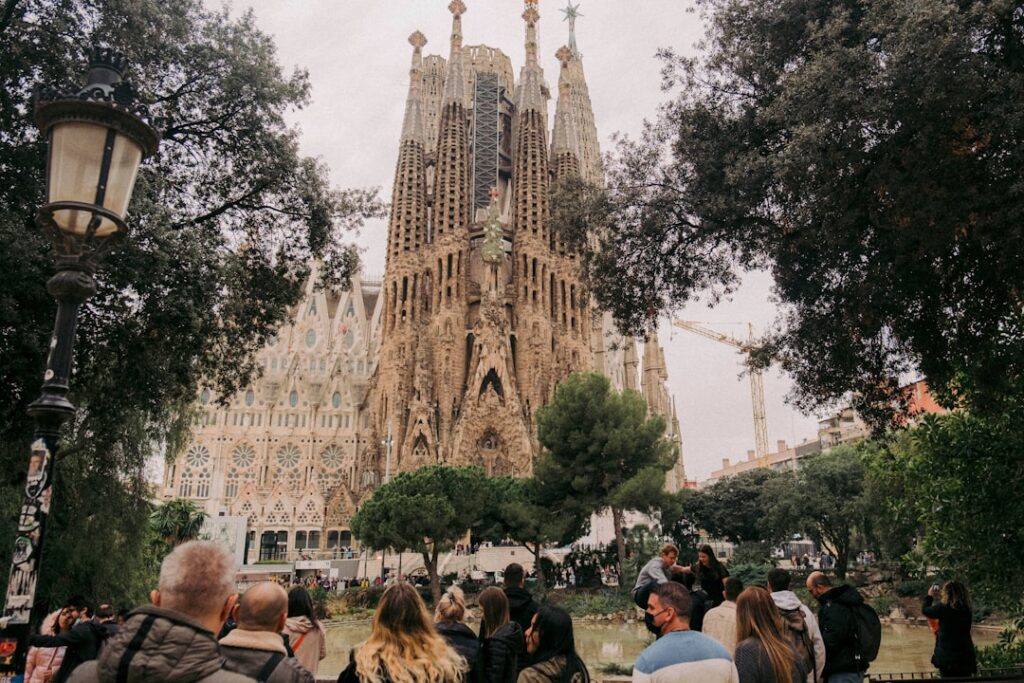
- Safety: watch out for pickpockets on La Rambla, on crowded metro services and near tourist stations (Plaça de Catalunya, Sagrada Família). Keep your wallet or tickets in a secure inner pocket and avoid displaying large amounts of cash.
- Combining bike and metro: Barcelona is bike-friendly; the shared bike service Bicing is for residents, but you can rent bikes from many local shops — some metro stations allow bikes outside peak hours. Useful rental: Barcelona Rent a Bike, Carrer de la Diputació, 404, 08013 Barcelona (hours and rates vary, check locally).
- Official info points: TMB office at Plaça de Catalunya, 19, 08002 Barcelona (hours 09:00–20:00 in high season) and ATM office at Gran Via de les Corts Catalanes, 635, 08010 Barcelona for complex fare questions.
One practical tip: if you arrive early and want to start exploring straight away, buy your ticket as soon as you leave the metro or directly at the airport (Aerobús or RENFE/METRO machines). Tourist counters in major stations will help you pick the best option if you’re unsure between T-Casual, T-Familiar or Hola BCN. Finally, for the latest fare updates and special conditions (events, strikes, works), check the official sites: tmb.cat, atm.cat and renfe.com.
Conclusion — Which option to choose and how to buy in practice
In short, the best pass depends on your travel profile: the Hola Barcelona Travel Card (48–120h) is the easiest choice for very mobile visitors who want unlimited journeys; the T-Casual (10-ride booklet) remains the most economical option for short solo trips; the T-Familiar suits families and groups. To reach the city from the airport, pick between the Aerobús (comfort, direct drop at Plaça de Catalunya, around €6.90) and the R2 Nord train (cheaper to Estació de Sants, ~€4.60), while the L9 Sud metro is handy but requires a special ticket (≈€5.25).
Get your tickets at the machines in every station, at ticket counters in major stations (Estació de Sants — Plaça dels Països Catalans, 1, 08014 Barcelona), at tourist offices (Plaça de Catalunya, 08002 Barcelona) or online for some tourist cards (Hola Barcelona). Don’t forget to check timetables: metro roughly 05:00–24:00 on weekdays with night service at the weekend, Aerobús every 5–10 minutes, and Rodalies trains according to their schedules (e.g. R2 Nord every 30 minutes). Always keep a validated ticket for the duration of your trip and be wary of pickpockets in crowded areas.
Finally, plan transport alongside your daily itinerary: match a pass to your main visits (Sagrada Família — Carrer de Mallorca, Park Güell — Carrer d’Olot, Plaça de Catalunya for long-distance connections, Estació de Sants for regional trains) and you’ll save valuable time. If in doubt, visit the TMB or ATM office listed in this article; staff can advise the best option depending on your needs and fare zones. Have a great trip in Barcelona — enjoy the city with the transport pass that fits your stay.