





Introduction — Planning Your First Trip to Barcelona
Barcelona unfolds in layers: Roman history, Modernist art, Mediterranean beaches and lively neighborhood life. For a traveler discovering the Catalan capital for the first time, where you stay and which streets you explore can mean the difference between a frantic trip and a truly rewarding one. This practical guide focuses on six neighborhoods that combine accessibility, cultural richness, safety and local charm. The goal is to give you concrete, actionable information: exact addresses, opening hours, prices in euros and on-the-ground tips to help you get around efficiently.
Each neighborhood below suits a different type of traveler: those who want to be in the heart of medieval history, Gaudí fans, beach-and-tapas seekers, or anyone after a relaxed bohemian vibe. You’ll also find recommendations for restaurants, markets, museums and essential transport points. The practical details (usual opening hours, indicative prices, full addresses) will help you plan your days without unpleasant surprises.
A few general tips before you go: buy a T-casual ticket (10 rides) if you plan to use the metro and buses — around €11.35 (current fare, check www.tmb.cat to confirm). Peak visiting hours at major sites are typically 10:00–16:00; book tickets for the Sagrada Família or the Museu Picasso in advance. To keep a local feel, plan an evening visit to a tapas bar outside the most touristy areas and take an early-morning walk through the neighborhoods you’re interested in to enjoy some peaceful time.
Finally, this guide includes cultural pointers (meal times, local habits) and safety advice (areas where pickpockets are more active, especially along La Rambla and in the metro). Each numbered section below stands alone and can help you choose where to stay or adjust your itinerary.
1) Barri Gòtic — The Historic Core, Perfect for First-Time Explorers
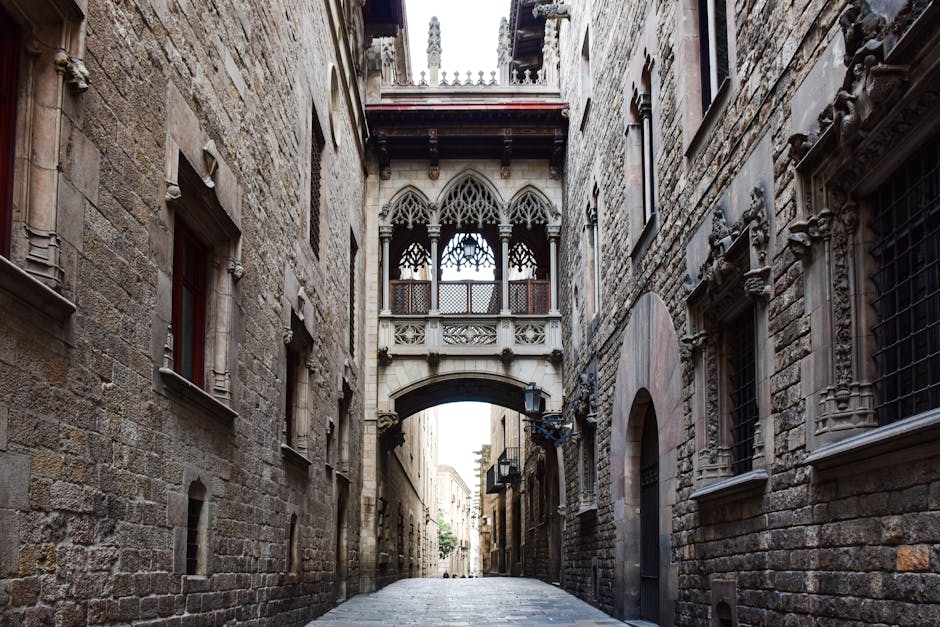
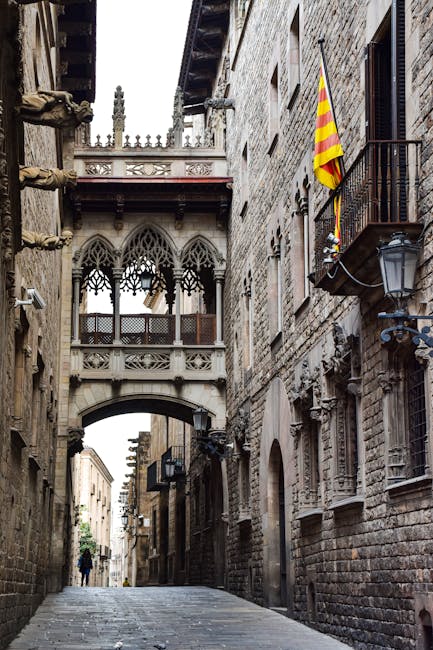
The Barri Gòtic (Gothic Quarter) is Barcelona’s historic center: medieval alleyways, hidden squares and Gothic façades. Staying here puts you steps from La Rambla, the Palau de la Generalitat and Barcelona Cathedral. Central address: Catedral de Barcelona, Pla de la Seu, s/n, 08002 Barcelona. Hours: generally 08:00–19:30 (check for seasonal variations and religious services). Cathedral entry: around €9.50 (tourist entry, discounts for students and seniors).
Nearby points of interest and practical addresses:
- Plaça Reial (Plaça Reial, 08002 Barcelona) — a lively square lit by lamps designed by Antoni Gaudí, surrounded by restaurants and clubs. Great for an evening aperitif.
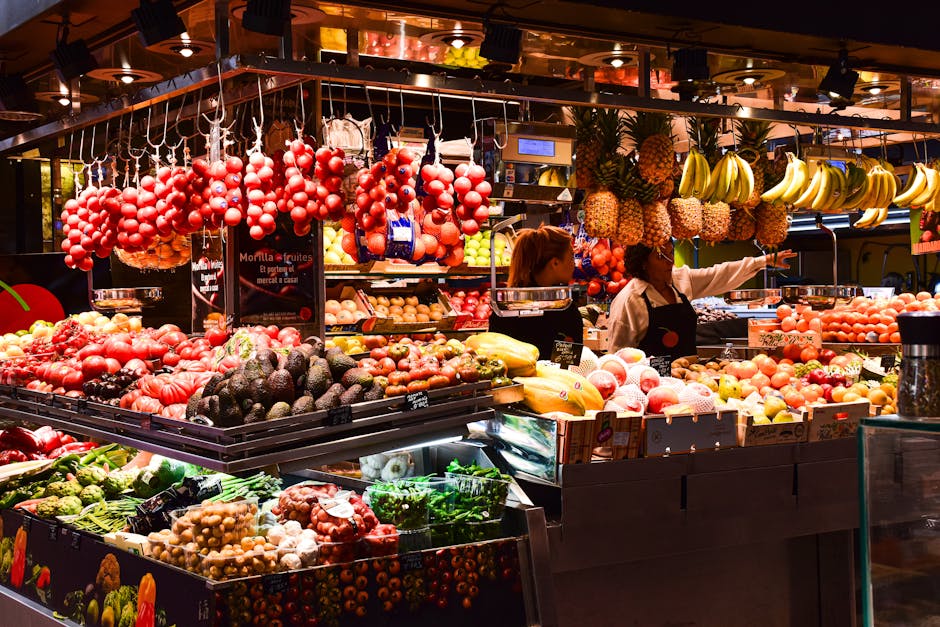
- Mercat de Sant Josep de la Boqueria (La Boqueria, La Rambla, 91, 08001 Barcelona) — the iconic market. Hours: 08:00–20:30; some stalls close earlier. Free to enter, tapas from about €3–5.
- Museu d’Història de Barcelona (MUHBA) (Plaça del Rei, s/n, 08002 Barcelona) — Roman remains. Hours: 10:00–19:00; admission roughly €7.00–10.00.
Practical tips: avoid leaving phones and bags in your pockets on La Rambla — the area attracts pickpockets. The neighborhood is dense; if you prefer quiet at night, look for accommodation facing an interior courtyard. Narrow streets can have poor GPS coverage; download an offline map or use the “favorites” option in your navigation app. For a morning coffee, try Caelum (Carrer de la Palla, 8, 08002 Barcelona) — approximate hours 10:00–20:00, coffee and pastries €2–5.
2) El Born — Bohemian Vibes and Contemporary Museums
El Born is an energetic neighborhood east of the Gothic Quarter, known for its food scene, artisan shops and museums like the Museu Picasso. It’s ideal for travelers wanting a cultural base without the bustle of La Rambla. Key address: Museu Picasso, Carrer Montcada, 15-23, 08003 Barcelona. Hours: Tuesday–Sunday 09:00–19:00 (extended to 21:30 on Thursdays); admission: about €12–15 (student or youth discounts available).
Other recommended spots:
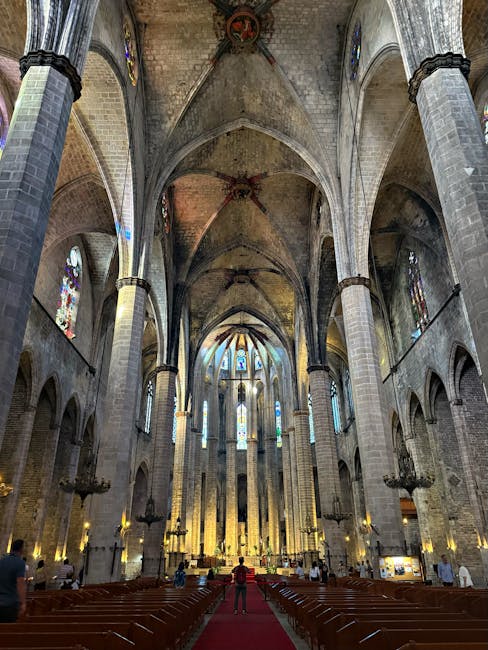
- Basilica Santa María del Mar (Plaça de Santa Maria, 1, 08003 Barcelona) — a Gothic masterpiece. Visiting hours: 09:00–19:00; donations or paid guided tours around €5–9.
- El Born Centre de Cultura i Memòria (Carrer de la Princesa, 20, 08003 Barcelona) — historical center with medieval ruins. Hours: 10:00–20:00; admission around €4–6.
- Bar: El Xampanyet (Carrer de Montcada, 22, 08003 Barcelona) — tapas and traditional cava. Hours: 13:00–23:30; small bites €3–8.
Atmosphere and tips: El Born has a local-chic feel: cobbled lanes, small galleries and outdoor terraces. Try dining after 20:30, like the locals, and look for restaurants offering a menú del día if you want a full midday meal (often €10–15 for a main + drink). The neighborhood is well served by Jaume I metro station (L4) and is walkable from the port. For an afternoon stroll, wander between the Museu Picasso and Santa María del Mar, then finish with a drink on one of the small squares near Carrer dels Mirallers.
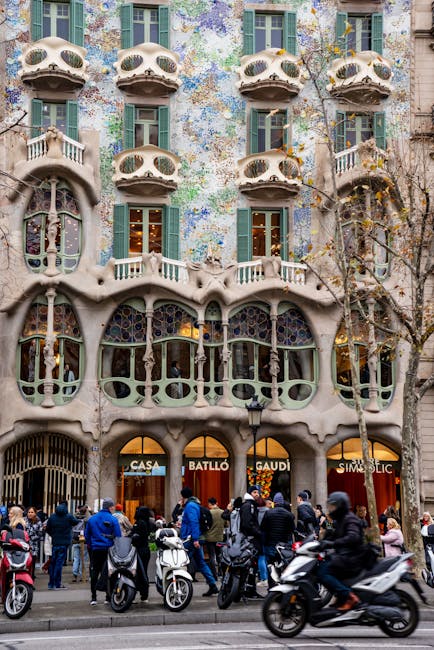
3) L’Eixample — Modernist Masterpieces and Central Convenience
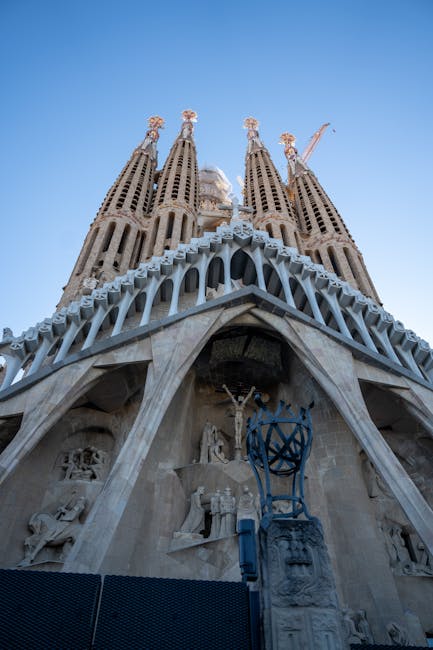
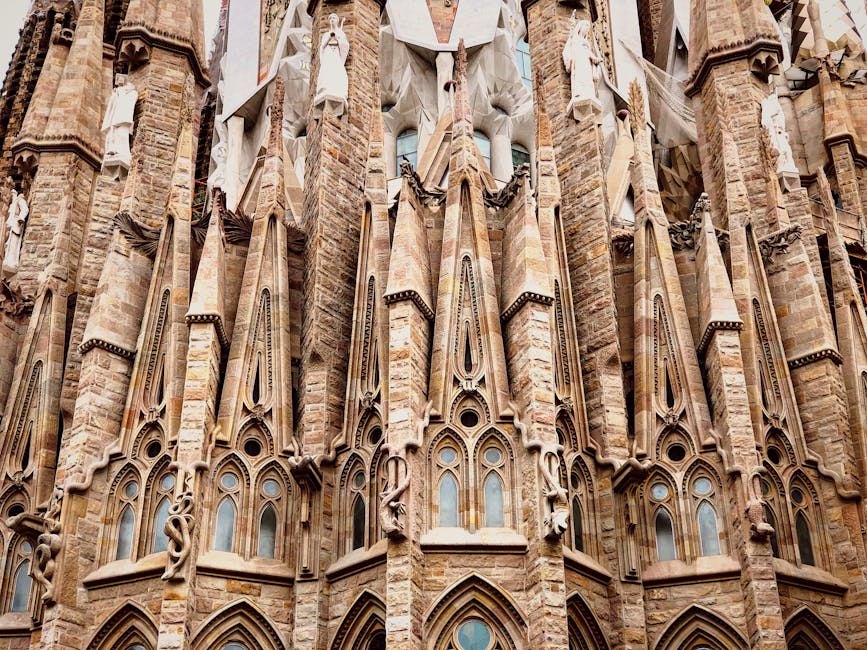
L’Eixample, with its wide avenues and grid layout, is one of the most convenient neighborhoods for a first stay. Here you’ll find Modernist icons: the Sagrada Família, Casa Batlló and La Pedrera (Casa Milà). Staying in L’Eixample means easy access to the metro network, a variety of restaurants and shops. Must-see address: Basílica de la Sagrada Família, Carrer de Mallorca, 401, 08013 Barcelona. Hours: 09:00–18:00 (seasonal variations; evening hours possible in summer). Tickets start at €26 without a guided tour; audioguide and private tour options cost more.
Cultural and dining highlights:
- Casa Batlló (Passeig de Gràcia, 43, 08007 Barcelona) — Hours: 09:00–21:00; admission around €35 (immersive audio/VR experiences may be available).
- Casa Milà — La Pedrera (Provença, 261-265, 08008 Barcelona) — Hours: 09:00–20:30; admission €24–30 depending on exhibitions.
- Mercat de la Concepció (Carrer de Aragó, 313-317, 08009 Barcelona) — neighborhood market; typical hours 08:00–20:00; fresh produce and snacks €2–6.
Practical tips: L’Eixample is split into Dreta and Esquerra — the Dreta (right) is closer to the attractions on Passeig de Gràcia and the Golden Square. If you stay near Passeig de Gràcia you’ll have direct access to metro lines L2, L3 and L4. Upscale restaurants are mostly along Passeig de Gràcia; for more affordable tapas, explore the small side streets. The wide avenues are great for biking — several rental services offer bikes from €10–15/day. For a well-known coffee spot, try Satan’s Coffee Corner (Carrer de l’Arc de Sant Ramon del Call, 11; opening hours vary; coffees €2–4).
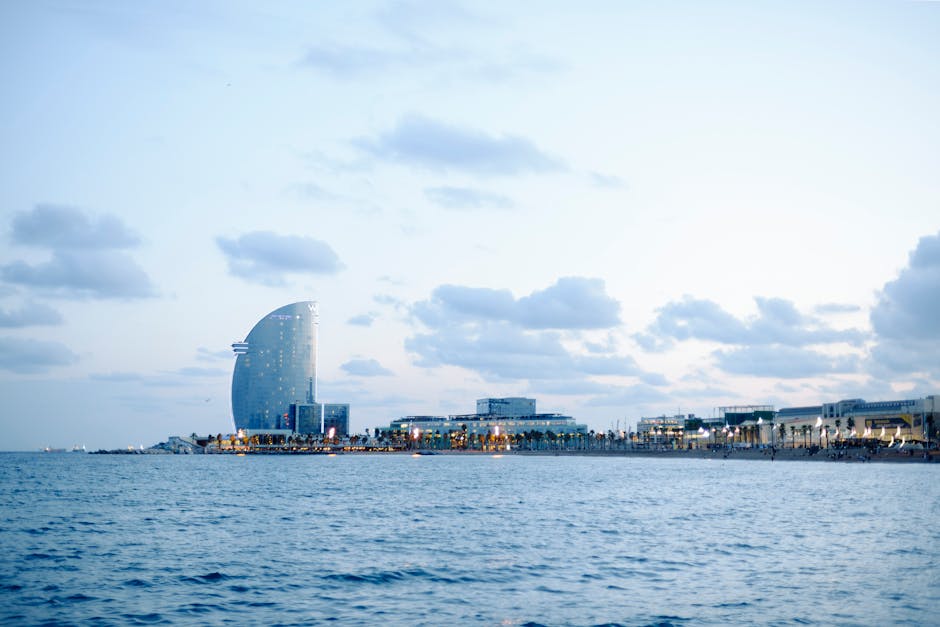
4) La Barceloneta and Port Vell — Beach, Seafood and Seafront Promenades
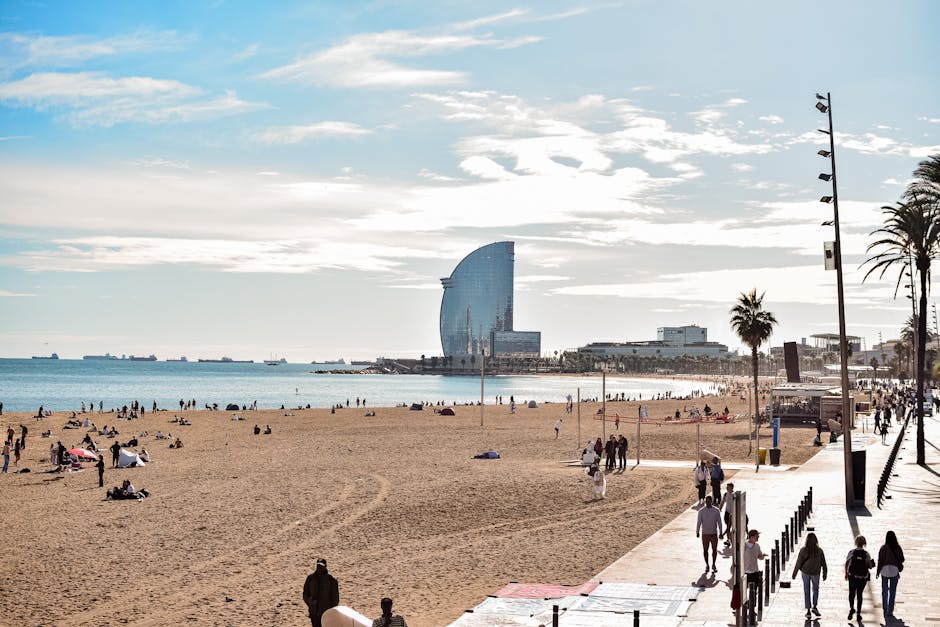
Once the fishermen’s quarter, La Barceloneta now offers an easily accessible beach experience right from the city center. If your priority is to mix beach time with urban sightseeing, it’s an excellent pick. Main beach: Platja de la Barceloneta, Passeig Marítim de la Barceloneta, 08003 Barcelona. Free access; lifeguards are on duty in high season (usually June–September). Sunbed and umbrella rental: about €6–12/hour or day packages €20–35 depending on provider.
Recommended addresses and eats:
- Can Majó (Carrer de l’Almirall Aixada, 23, 08003 Barcelona) — well-known seafood restaurant. Hours: 13:00–23:00; paella for two roughly €28–45 per person depending on choice.
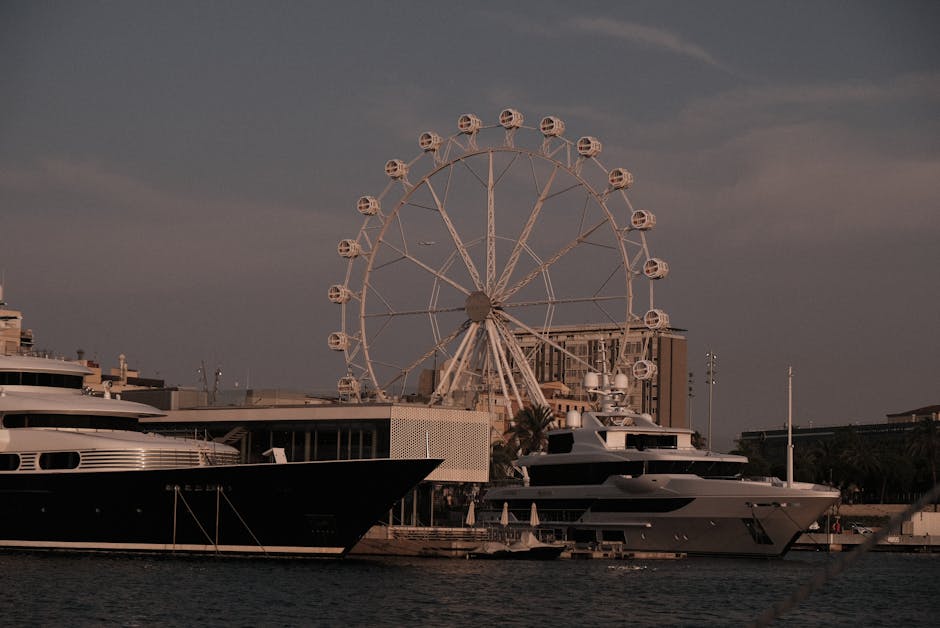
- Port Vell / Maremagnum (Moll d’Espanya, s/n, 08039 Barcelona) — shopping center and seafront promenade. Shop hours: 10:00–22:00; varied restaurants.
- Aquarium Barcelona (Moll d’Espanya del Port Vell, s/n, 08039 Barcelona) — Hours: 10:00–19:00 (variable); adult ticket around €21.00.
Tips: the beach is best early morning or late afternoon to avoid crowds. Watch out for higher prices at beachfront restaurants — there are excellent cheaper alternatives slightly inland. Walking from the center (Barri Gòtic / El Born) takes about 15–25 minutes, or use metro line L4 (Barceloneta station). If you plan to sunbathe, bring strong sunscreen and water — kiosks sell drinks but at tourist prices (€3–4 for a bottle of water). For a more local experience, buy tapas at the Barceloneta market or look for small taverns around Carrer de l’Atlàntida.
5) Gràcia — Boho Village Vibes, Quiet Squares and Neighborhood Cafés
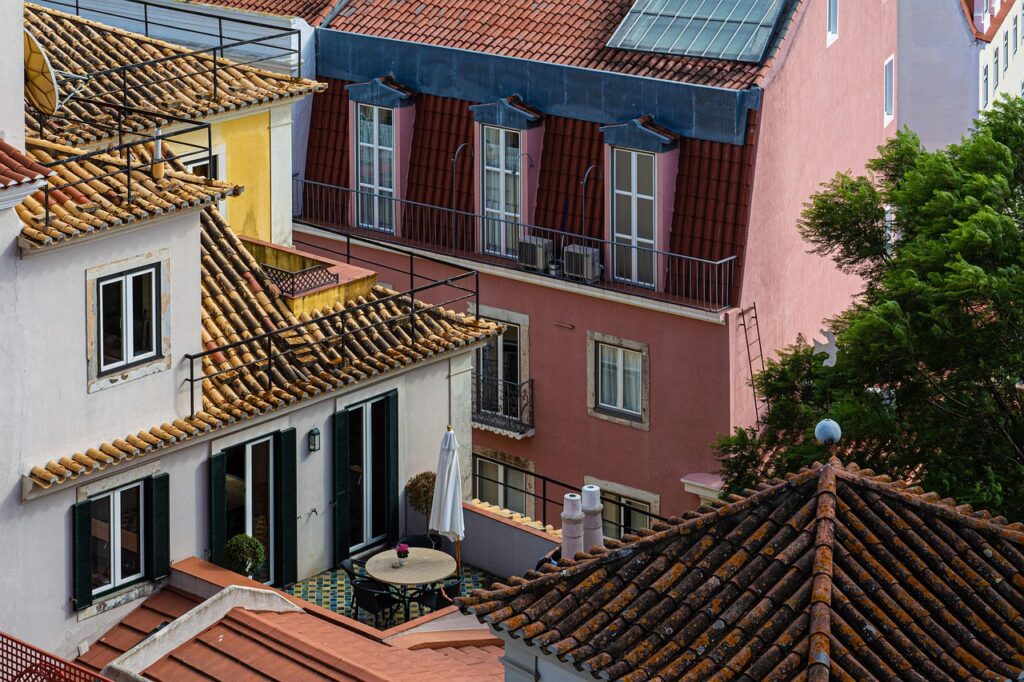
Gràcia retains a village atmosphere with shaded squares and a strong community life. It’s ideal for travelers looking for a calm but lively stay, frequented more by locals than tourists. Choose this neighborhood for a more authentic immersion with wine bars, small shops and craft markets. Key spot: Plaça del Sol, Gràcia, 08012 Barcelona — one of the liveliest squares for an evening drink.
Points of interest and useful addresses:
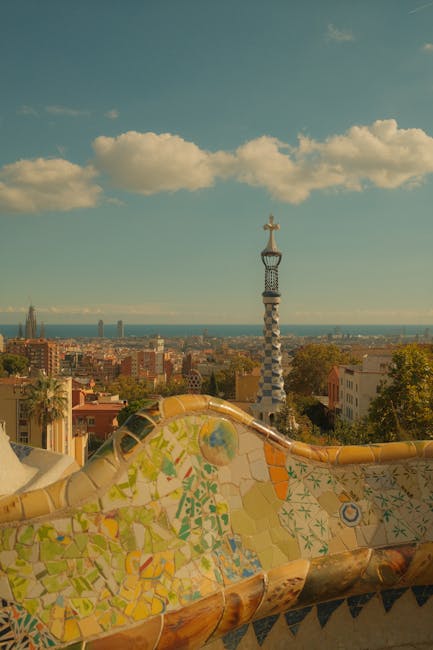
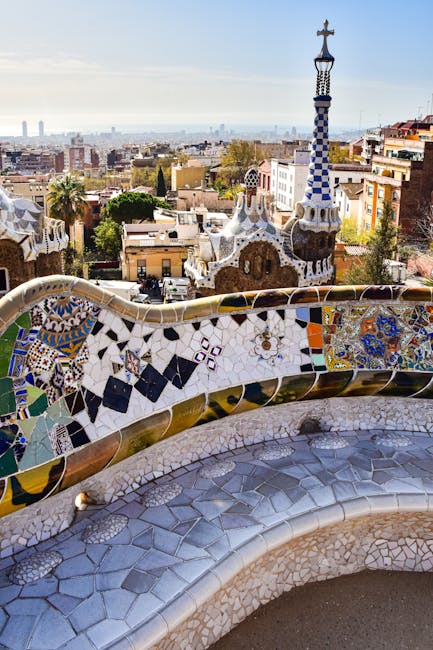
- Parc Güell (Carrer d’Olot, s/n, 08024 Barcelona) — technically on the edge of Gràcia; hours: 08:00–20:30 (seasonal); monumental zone ticket around €10–13 (online reservations recommended).
- Casa Vicens (Carrer de les Carolines, 24, 08012 Barcelona) — Gaudí’s first house open to the public. Hours: 10:00–18:00; admission around €16–20.
- Mercat de la Llibertat (Plaça de la Llibertat, 27, 08012 Barcelona) — neighborhood market; hours: 08:00–20:00; fresh produce and affordable meals €3–8.
Practical tips: Gràcia is perfect if you want a relaxed evening pace — most bars and restaurants stay open late but keep a friendly, low-key vibe. The narrow streets are pleasant for evening strolls; aim to stay near Plaça del Sol or Plaça de la Vila de Gràcia to be in the middle of the action. Use Diagonal (L3/L5) or Verdaguer (L4/L5) metro stations for quick access to the center. Gràcia also hosts many neighborhood festivals (Festa Major de Gràcia in August), where street decorations and free concerts are worth the visit if you’re traveling at that time.
6) Poble-sec and Montjuïc — Culture, Theaters and Panoramic Views
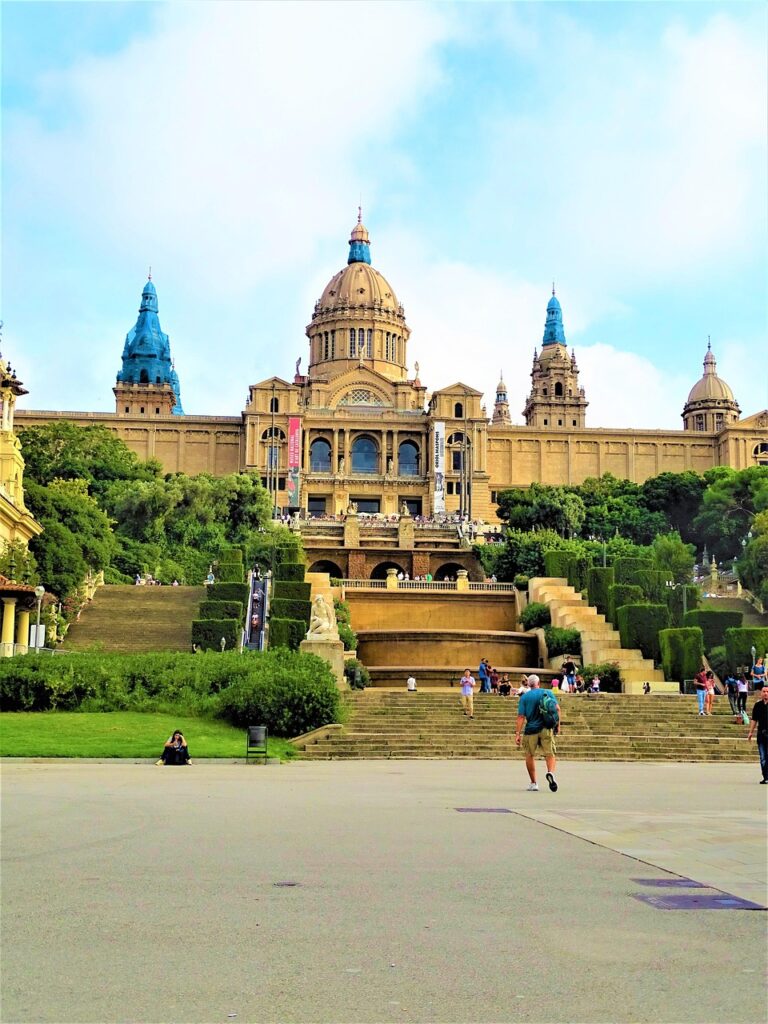
Poble-sec and Montjuïc make a great combo for those who enjoy green spaces, museums and a quieter nightlife. Poble-sec, at the foot of Montjuïc hill, is known for its tapas bars and theaters; Montjuïc offers gardens, museums (Museu Nacional d’Art de Catalunya) and sweeping views over the city and port. Must-see address: Museu Nacional d’Art de Catalunya (MNAC), Palau Nacional, Parc de Montjuïc, s/n, 08038 Barcelona. Hours: Tuesday–Sunday 10:00–18:00; closed Mondays. Admission: around €12–15 (free on some Sundays or for EU residents; check the schedule).
Practical points:
- Teatre Grec (Avinguda de Miramar, s/n, 08038 Barcelona) — open-air theatre on Montjuïc; summer season with variable performances and hours. Tickets vary by program, €10–40.
- Fundació Joan Miró (Parc de Montjuïc, s/n, 08038 Barcelona) — Hours: 10:00–19:00; admission around €13–15.
- Funicular de Montjuïc (station Paral·lel, Avinguda del Paral·lel, 35, 08001 Barcelona) — practical connection; standard metro fare if combined; hours roughly 07:30–23:00 depending on season.
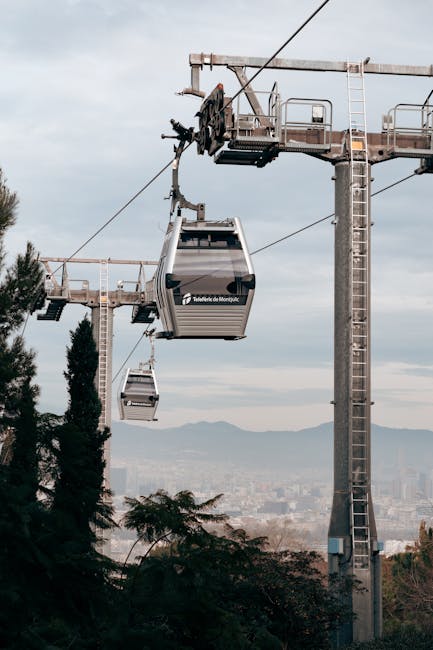
Local tips: Poble-sec (south of Raval) is great for evening tapas on Carrer de Blai — pintxos from €1.50–3.00 each. To reach Montjuïc, take the port cable car (Telefèric de Montjuïc, Avinguda de Miramar, 30, 08038 Barcelona): round-trip about €13.50; hours vary (often 10:00–19:00). Sunsets from Montjuïc’s gardens or the Mirador del Migdia offer spectacular views over the Mediterranean and Barcelona’s skyline. Poble-sec is often more affordable for accommodation compared with the center; it’s a good compromise for families or travelers seeking authenticity without being too far from major sites.
Conclusion — Pick Your Neighborhood Based on Your Travel Style
Barcelona offers a range of neighborhoods to match different expectations: historical immersion in the Barri Gòtic, cultural and culinary life in El Born, Modernist splendors in L’Eixample, beach and seafood at La Barceloneta, village atmosphere in Gràcia, and a cultural-sporty mix in Poble-sec/Montjuïc. Where you stay shapes your trip’s rhythm: walking and centrality in the Barri Gòtic, late dinners and specialty cafés in El Born and Gràcia, beaches and seafood in La Barceloneta, and quiet nights plus panoramic views in Poble-sec.
For a successful first visit, prioritize proximity to transport (metro and buses), safety (avoid very isolated streets at night) and a variety of dining options. Book must-see monuments in advance (Sagrada Família, Parc Güell, Museu Picasso) and buy a travel card if you’ll be using public transport frequently. Most importantly, leave room to wander: some of Barcelona’s best discoveries are unplanned — a crafts stall in a side alley, a sunny hidden terrace, or a neighborhood vermouth bar with regulars.
Whatever neighborhood you choose, respect local schedules (dinners often start after 20:00) and enjoy the balance of heritage, lifestyle and Mediterranean sunshine. Barcelona is best discovered on foot, by taste and at a relaxed pace — this guide should help you lay the groundwork for a smooth, memorable trip.