





[AGAINST THE GRAIN] Why “Gluten-Free” Restaurants in Barcelona Aren’t Always Safe
Traveling with dietary restrictions turns every meal into a moment of heightened attention. In Barcelona — a city of bustling markets, tapas bars and culinary creativity — you’ll see more and more places labeled “sin gluten” or “gluten-free.” But those labels don’t always guarantee safety for someone with celiac disease or extreme gluten sensitivity.
Before diving in, a reassuring note: Barcelona is one of the most allergy-aware cities in Europe — you can find genuinely 100% gluten-free places and many traditional restaurants now offer safer alternatives. The problem usually comes down to communication, kitchen practices, and language expectations. A menu that says “sin gluten” can mean different things to different staff: sometimes it’s a dish simply made without added wheat, sometimes it’s a naturally gluten-free item cooked on shared surfaces, and sometimes it’s a translation mistake for “gluten-free on request.” Understanding these nuances can be the difference between a pleasant lunch and an emergency.
This guide is for travelers with medical restrictions — celiac disease, wheat allergy, non-celiac gluten sensitivity — who want to eat with confidence in Barcelona. I share practical experiences, tested addresses, dishes I ordered, prices and opening hours, Spanish and Catalan phrases you can use to make yourself understood, and most importantly the common pitfalls to avoid. The aim isn’t to alarm you but to give precise, practical tools to minimize risk.
I’ll explain why the label “gluten-free” is not enough, how to read a menu and question staff effectively, and finish with tested venues — both recommended and ones to be cautious about — including suggested dishes and local tips for each spot. Throughout the article you’ll also find visual markers 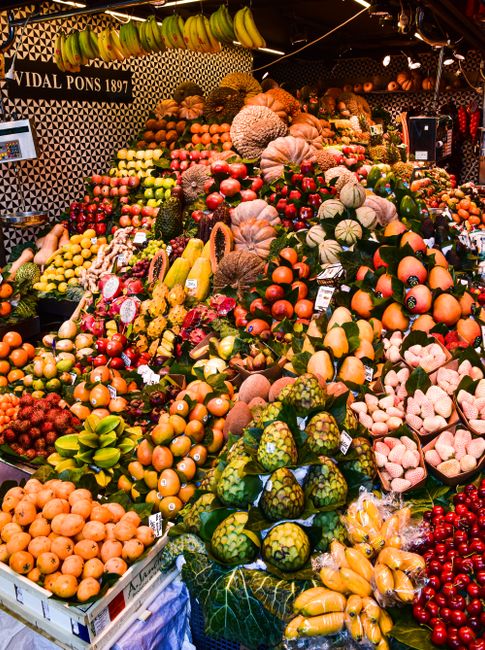 to help you navigate this sensory city.
1) Why “gluten-free” can be misleading: cross-contamination and different interpretations
The first thing to understand is that “sin gluten” (Spanish) or “sense gluten” (Catalan) can mean different things depending on the establishment and the staff’s training. Many restaurants claim to offer gluten-free options but don’t have strict protocols to prevent cross-contamination. Cross-contamination happens when crumbs, frying oil or shared utensils introduce traces of gluten into a dish that was originally gluten-free. For someone with celiac disease, even tiny amounts of gluten can trigger a reaction.
Real-life risky scenarios include:
- Using the same cutting board for bread and vegetables without cleaning it between uses.
- Frying “gluten-free” items in the same oil used for breaded products that contain wheat.
- Using the same tongs to serve both gluten-free and gluten-containing dishes at a buffet.
- Preparing gluten-free desserts on a work surface dusted with flour.
In practice, that means simply asking “¿Esto tiene gluten?” (Does this contain gluten?) isn’t always enough. Ask precise questions: “¿Se cocina en el mismo aceite que los rebozados?” (Is this fried in the same oil as breaded items?) or “¿Se guarda el pan en la misma cesta que las tostadas?” A useful Catalan line: “Sóc celiac/ana — necessito que sigui totalment sense gluten i sense contaminació creuada. Pots confirmar?” (“I’m celiac — I need this to be completely gluten-free with no cross-contamination. Can you confirm?”)
Another common trap is the label “apto para celíacos” posted on a dish without official checks. In Spain more restaurants are taking training programs (for example the “restauración sin gluten” courses), but participation isn’t mandatory. If safety is critical for you, favor 100% gluten-free establishments or restaurants that clearly display their procedures: separate prep areas, dedicated fryers, staff training and certification from the Federación de Asociaciones de Celiacos de España (FACE). 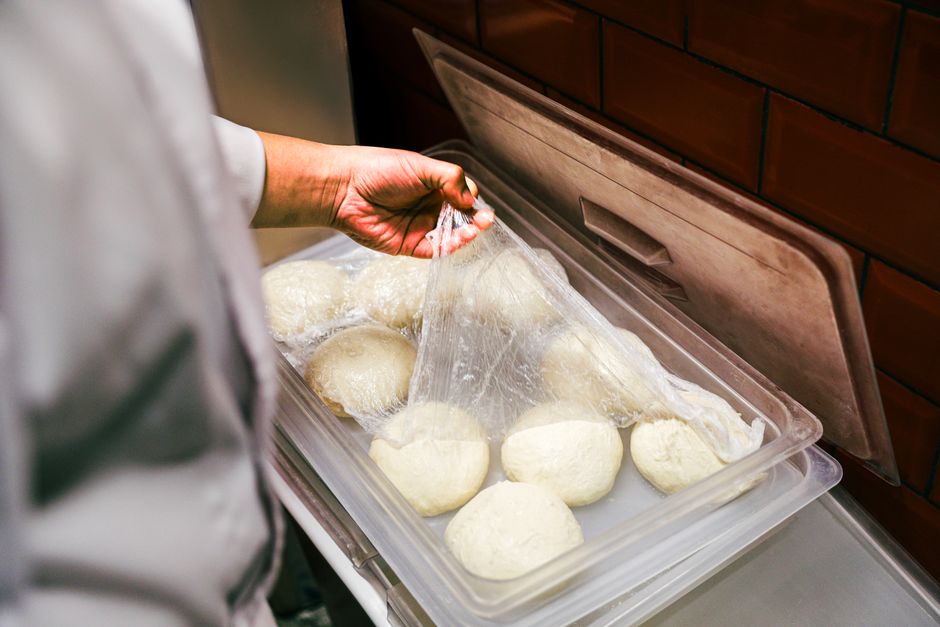
2) How to question staff and key phrases in Spanish/Catalan
Communication is your best ally. Here’s a small “language kit” tested in Barcelona with simple, effective lines — say them calmly and clearly to your server or the chef:
- “Soy celíaco / soy celíaca” — I’m celiac. (Use the gender that applies.)
- “¿Esto tiene gluten?” — Does this contain gluten?
- “¿Hay riesgo de contaminación cruzada?” — Is there a risk of cross-contamination?
- “¿Se cocina en el mismo aceite que los empanados?” — Is it cooked in the same oil as breaded items?
- “Necesito que sea totalmente sin gluten” — I need this to be completely gluten-free.
- In Catalan: “Sóc celíac/ana”, “Necessite que estigui lliure de gluten”.
Practical tips for the conversation:
- Speak directly to the server, then ask to speak to the chef if possible. Many risks come from kitchen procedures, not the printed menu.
- Ask if the kitchen has a dedicated area for gluten-free prep and whether the fryer is exclusive.
- Avoid buffets and shared tapas if you’re celiac; tapas often involve communal platters and reused oil.
- If you might have a severe reaction, carry a card in Spanish/Catalan explaining your condition and what to avoid — show it to the staff.
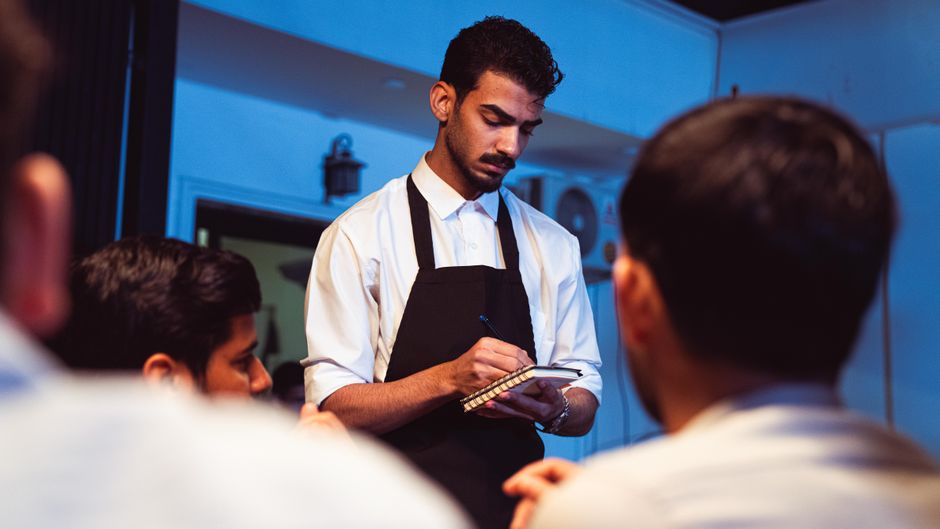
3) Tested places (recommended and to double-check): where to eat in Barcelona when you need extra caution
Below are several spots I’ve tried myself or vetted through reliable feedback from fellow celiac travelers. I list the exact address, a recommended dish, approximate prices, opening hours and an assessment of safety. Keep in mind hours and prices can change — always check before you go.
-
Celicioso (bakery & café)
Address: Carrer de Mallorca 272, 08037 Barcelona
Dish tried: 100% gluten-free lemon tart, assorted muffins.
Price: pastries €3.50–€5.50; coffees €1.80–€3.50.
Hours: Mon–Sat 09:00–20:00, Sun 10:00–19:00.
Notes: entirely dedicated gluten-free bakery — strict procedures, trained staff. Perfect for risk-free breakfasts and snacks.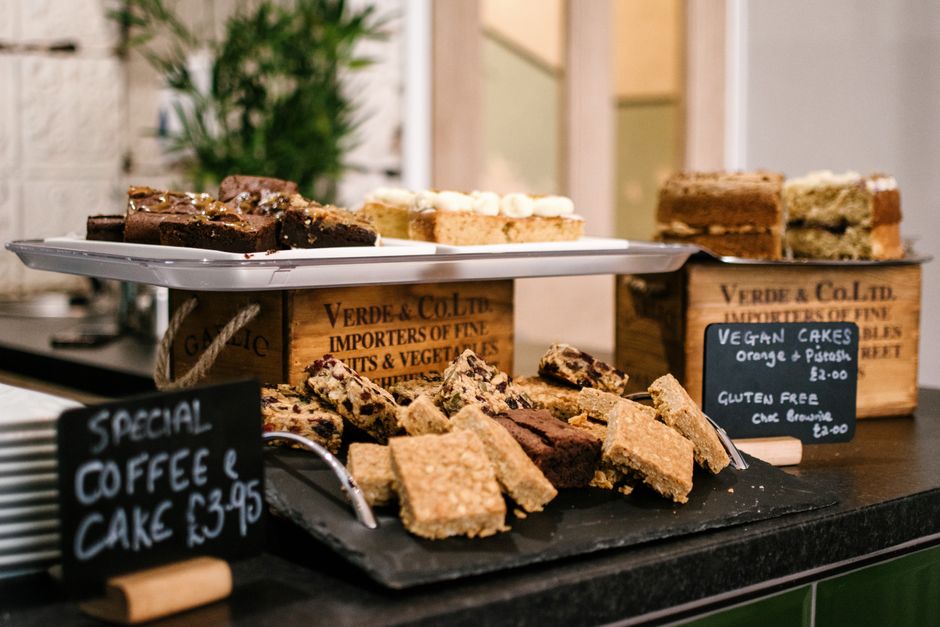
-
Flax & Kale (flexitarian with gluten-free options)
Address: Carrer dels Tallers 74, 08001 Barcelona
Dish tried: gluten-free wrap (rice tortilla), bowls and cold-pressed juices.
Price: mains €9–€18; lunch menus €12–€15.
Hours: Mon–Sun 09:00–23:00 (hours vary by season).
Notes: known for clear labeling, but not 100% gluten-free — explicitly request preparation without cross-contamination. Great if staff confirm dedicated fryer/utensils.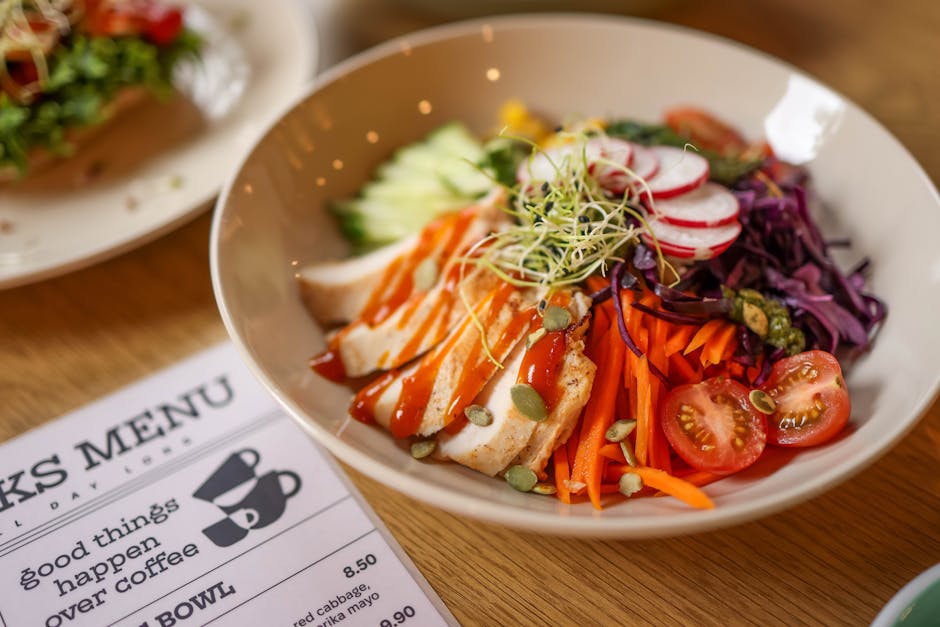
-
Rasoterra (vegetarian bistro)
Address: Carrer del Palau 5, 08002 Barcelona (Barri Gòtic)
Dish tried: gluten-free quinoa risotto, homemade gluten-free desserts available.
Price: mains €12–€20; tasting menu €28–€35.
Hours: Tue–Sat 13:00–16:00 / 20:00–23:00, Sun–Mon closed.
Notes: high allergy awareness; will separate prep on request. Always say “soy celíaco/a.”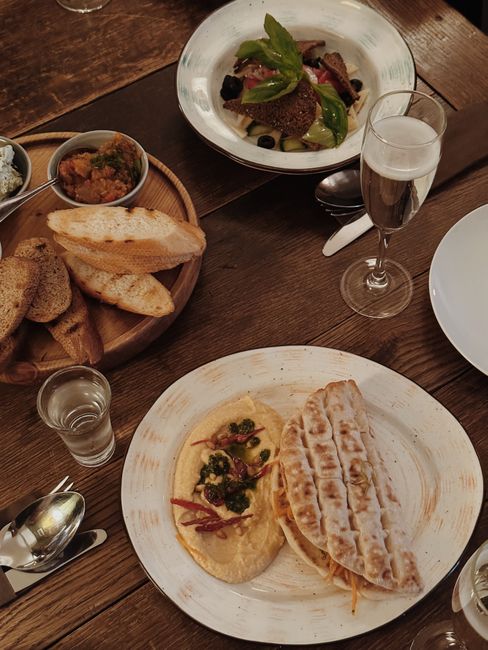
-
Gula Sana (healthy eatery)
Address: Carrer del Comte d’Urgell 106, 08011 Barcelona
Dish tried: gluten-free pancakes (on request), bowls and salads.
Price: mains €8–€14; drinks €2–€5.
Hours: Mon–Fri 08:00–21:00, Sat 09:00–18:00, Sun closed.
Notes: clearly offers “sin gluten” options, but watch out for shared fryers and prep areas. Always confirm cooking methods.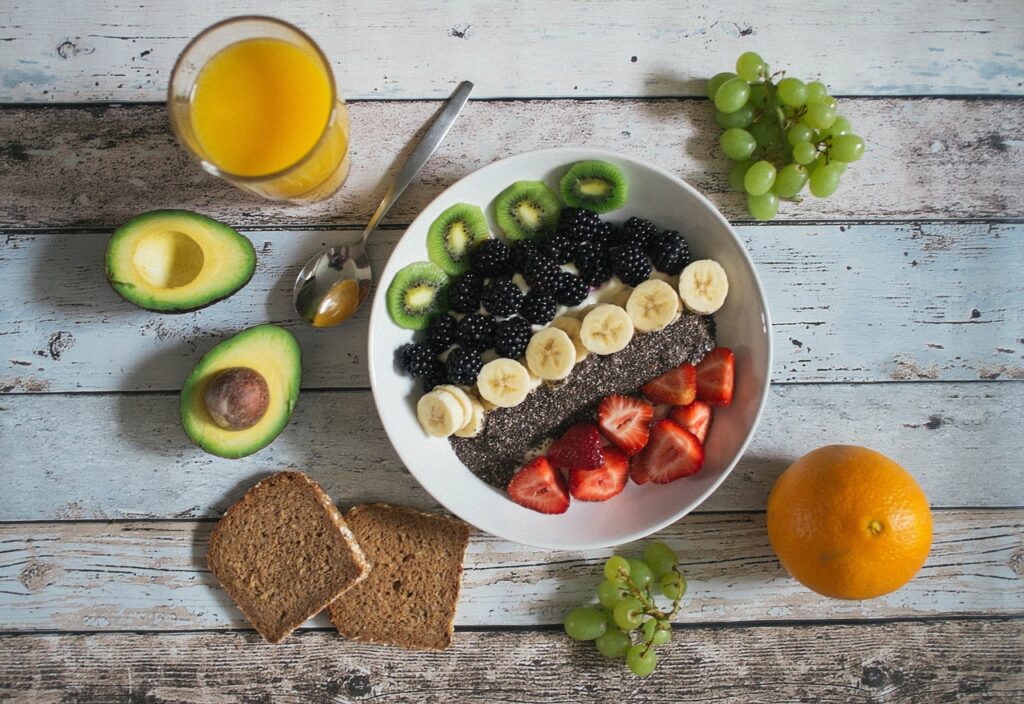
Warning: some very touristy spots (tapas bars around La Rambla, markets like La Boqueria) display “gluten-free” options to meet demand, but the fast pace, shared utensils and time-saving shortcuts can raise the risk. At La Boqueria, favor stalls that explicitly state they don’t use shared oil, and avoid tortillas, paellas and empanadas unless the chef gives a clear confirmation. 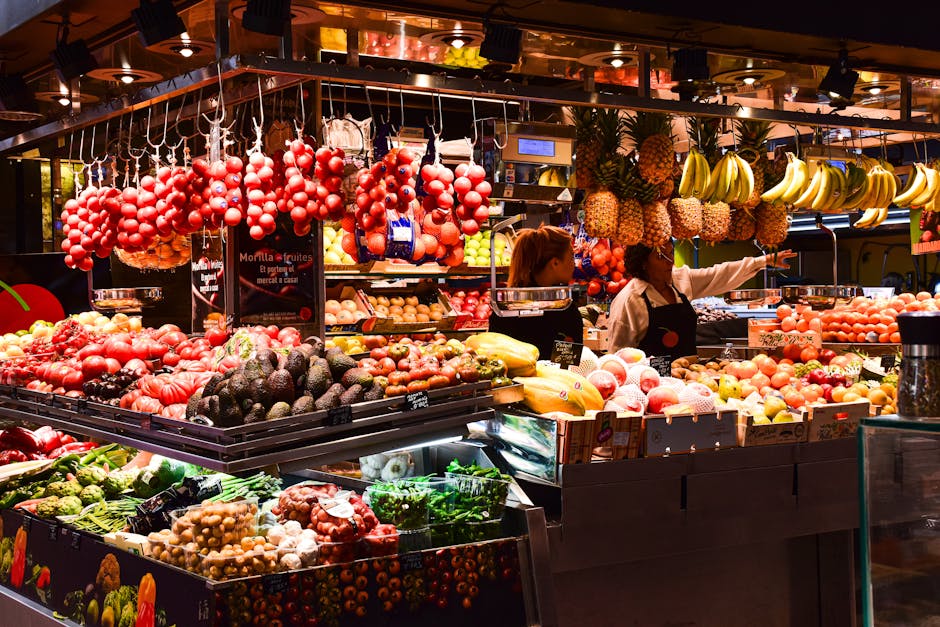
4) Local pitfalls and concrete tips for eating safely
Here’s a list of Barcelona-specific pitfalls — many are common to busy Spanish tourist areas — and how to avoid them, with local tips:
- Shared tapas: tapas are usually meant for sharing. Ask for an individual plate and confirm that no communal utensils are used. Say: “¿Me lo puedes servir en un plato aparte y con utensilios limpios?”
- Fried foods: many bars use a single fryer. Always ask: “¿La freidora es exclusiva para alimentos sin gluten?” If the answer is no, decline the fried option.
- Sauces and bases: many sauces (béchamel, broths) contain wheat flour. Ask about ingredients or request a simple alternative (olive oil, lemon juice).
- Desserts: pastries and croissants are commonly contaminated. Prefer fully gluten-free bakeries (see Celicioso) or opt for fresh fruit.
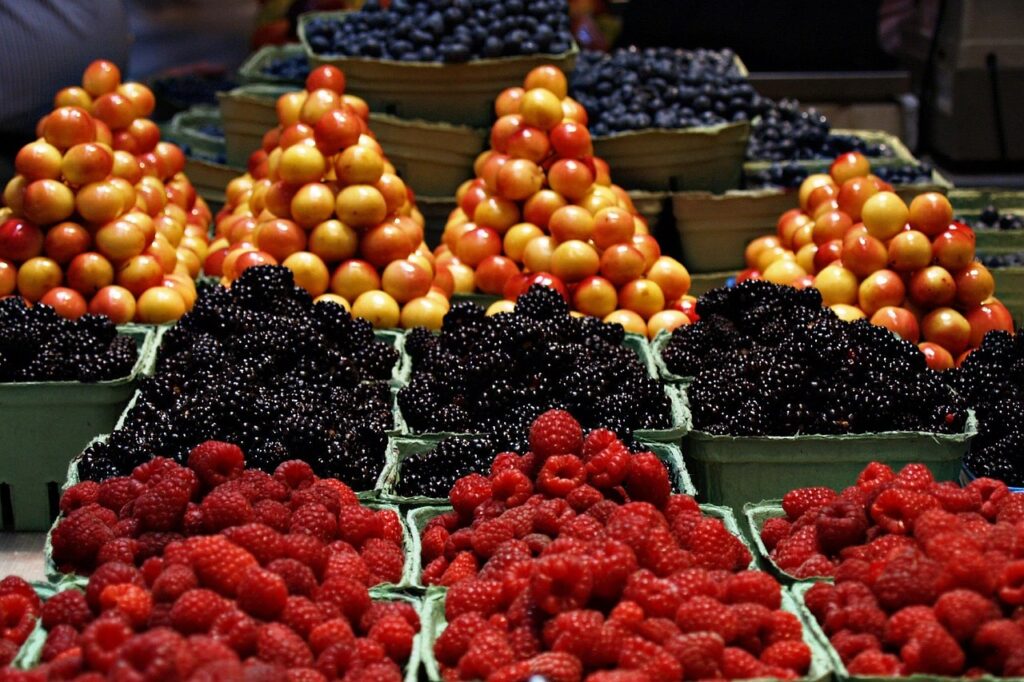
- Markets: ready-to-eat stalls are convenient but risky. If there’s no clear separation and labeling, stick to raw products (fruit, pre-packaged cheeses with labels).
- Avoid the “trust me” approach: if staff can’t answer precisely, walk away. A vague response is a red flag.
Local tip: download the Federación de Asociaciones de Celiacos de España (FACE) app or local lists that show certified venues in Barcelona. Always carry an antihistamine or your prescribed emergency medication, plus a medical card in Spanish/Catalan explaining your condition.

Conclusion — Eating with confidence in Barcelona: vigilance, preparation and trusted spots
Barcelona can be a paradise for food-loving travelers, but for people with medical gluten restrictions, vigilance is essential. The label “sin gluten” is not a universal guarantee: you need to ask questions, demand clarity about preparation methods, and favor establishments that are fully dedicated to gluten-free cooking or that clearly display their safety procedures (separate prep areas, dedicated fryers, trained staff).
My practical, reassuring tip: plan your meals ahead. Pin 2–3 safe places on a map (100% gluten-free bakeries, certified restaurants, transparent chains) for each day. Always carry your allergy card in Spanish/Catalan, use the key phrases listed here, and don’t take chances with unverified buffets and tapas. If you’re traveling alone or in a small group, ask to speak with the chef — it shows you take the matter seriously and often gets you the best answer.
Barcelona offers excellent options for celiacs — from dedicated bakeries to conscientious vegetarian bistros — and many restaurant teams are open to discussion. With the right questions and a bit of preparation, you can enjoy Catalan cuisine safely. And when in doubt, choose a café or a 100% gluten-free bakery rather than risking it. Safe travels and bon appétit — with caution and joy!