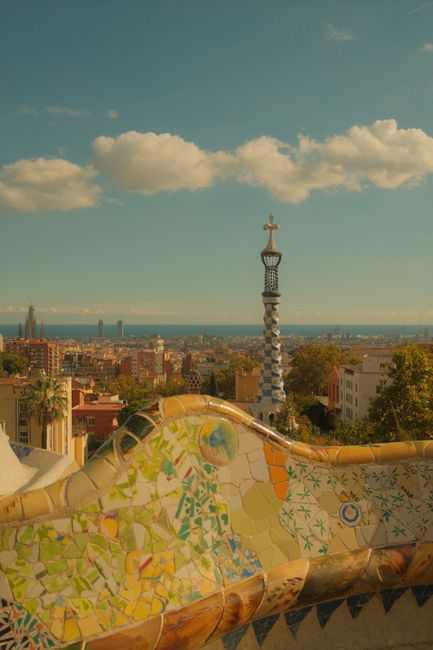






Introduction — Why swap a dirty metro for a bike in Barcelona
Barcelona is a city of contrasts: sun-drenched beaches, wide tree-lined avenues and packed crowds squeezing into the metro at rush hour. In recent years many travelers and locals have noticed that the metro isn’t always clean: crowded carriages, sticky floors and sometimes a lingering smell that makes your commute unpleasant. At the same time, the Catalan capital has built an attractive, dense cycling network, making biking not just practical but genuinely beneficial for your health.
Choosing to bike in Barcelona means choosing freedom of movement, a clearer sensory experience (you can smell the sea on your way to the beach) and daily exercise without spending hours in a gym. The city now boasts over 300 km of interconnected bike lanes, including major routes like Avinguda Diagonal, Passeig de Sant Joan and the promenade along Platja de la Barceloneta. These facilities make comfortable, safe trips possible between major hubs: Plaça de Catalunya, Sagrada Família, Montjuïc and the port.
From a health perspective, biking reduces exposure to germs common in confined spaces like the metro and improves overall fitness: cardiovascular health, muscle strength and stress reduction. Doctors and urban planners agree that 30 minutes of moderate cycling a day can significantly boost health. Economically, biking is appealing: the municipal bike-share system, Bicing, offers attractive subscriptions for residents and long-stay visitors, while private rentals give you access to e-bikes at reasonable daily rates.
This practical local guide will show you how to replace — or complement — your metro trips with a bike in Barcelona. You’ll find specific addresses, opening hours, indicative prices, descriptions of bike routes and local safety tips. Whether you’re a tourist visiting the Sagrada Família (Carrer de Mallorca, 401, 08013 Barcelona) or a local commuting between Sant Antoni (Carrer del Parlament, 41, 08015 Barcelona) and work, this guide will help you plan healthier, more enjoyable journeys. We’ll also include suggested routes, places to rent or repair a bike, and tips to avoid the metro’s peak-hour hassles.
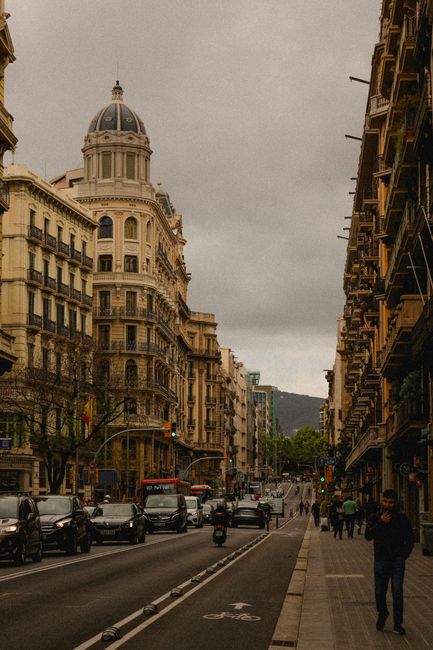
1) Barcelona’s cycling network: maps, main routes and what the ride feels like
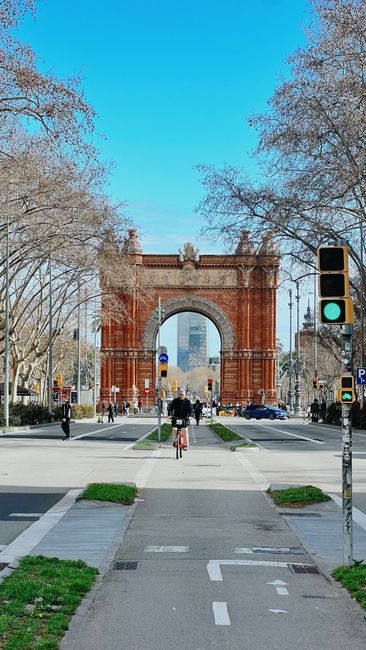
Barcelona has reshaped its streets to make cycling a daily mode of transport. Major corridors include Avinguda Diagonal (Diagonal, starting near Passeig de Gràcia), Passeig de Sant Joan (Passeig de Sant Joan, runs from Arc de Triomf to Gràcia), La Rambla de Catalunya and the coastal promenade along Platja de la Barceloneta. Many of these stretches feature segregated bike lanes for much of their length, with dedicated lights and safe crossings.
Immersive description of a typical ride: start at Plaça de Catalunya (Plaça de Catalunya, 08002 Barcelona) early in the morning. Take Passeig de Gràcia, admire the façades of Casa Batlló (Passeig de Gràcia, 43, 08007 Barcelona) before joining Avinguda Diagonal. Pavement is often smooth and bike lanes are well used. You’ll feel the cool morning air, hear birds in the plane trees, and enjoy the freedom of skipping the metro’s stairs and escalators. The ride is not only healthier but richer in sensory experience.
Maps and practical access: use the municipal app “AccesBici” or Google Maps in bike mode to plan safe routes. Blue signs with a bike symbol point the way to major sights: Sagrada Família (Carrer de Mallorca, 401), Arc de Triomf (Passeig de Lluís Companys, 08003 Barcelona) and Port Vell. The distance between Plaça de Catalunya and Barceloneta beach can be covered in 20–30 minutes at a moderate pace, depending on traffic.
Local tips: avoid routes when pedestrians gather (late afternoon along the waterfront); ring your bell calmly to announce yourself; obey traffic lights and signs. Watch for debris on some sections like Passeig de Gràcia in the evening. Be extra careful at intersections with trams (Tramvia Blau and TRAM lines) and respect bus lanes.
2) Getting a bike: Bicing, day rentals and trusted shops
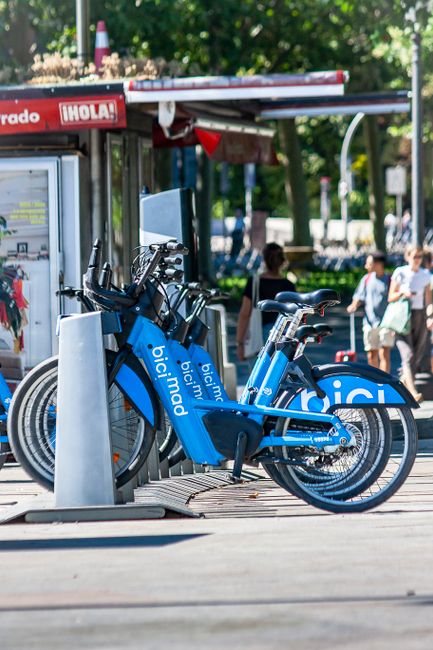
Municipal option — Bicing: The city’s bike-share network, Bicing, is a convenient choice for residents and longer-stay visitors. Example location: Bicing station Passeig de Gràcia 1 (Passeig de Gràcia, 1, 08007 Barcelona). Indicative price: annual subscription around €50–€60 (resident rate; conditions may vary), with free time slots typically up to 30–45 minutes per trip; overtime charged pro rata. Access hours: service available 24/7, stations open at all times. Advantages: wide urban coverage, regular maintenance, many stations near train hubs and metro stations like Estació de Sants (Plaça dels Països Catalans, 1, 08014 Barcelona) and Estació de França (Passeig de Pujades, 1, 08003 Barcelona).
Short-term rentals: For a day or a few hours, many shops rent standard and electric bikes. Examples: • Green Bikes Barcelona — Carrer dels Mirallers, 14, 08003 Barcelona. Indicative rates: €6–€10/hour, €15–€25/day for a regular bike; €25–€45/day for an electric bike. Opening hours: usually 09:00–19:00 (extended in high season). • Born Bike Tours — Carrer de la Fusina 2, 08003 Barcelona: also offers guided tours (see next section), with prices from €25 per person for a 2–3 hour tour.
Workshops and repairs: for small issues, visit workshops like Biciclot — Carrer de la Terol, 5, 08012 Barcelona (repair prices vary; a basic tune-up about €10–€25 depending on parts). Tip: always bring a solid lock (U-lock recommended) — some shops sell locks from about €20–€40. Helmet and accessories: helmets aren’t mandatory for adults in the city but are strongly recommended; helmet prices range €20–€80 depending on model. Lighting and reflective vests are compulsory at night; many rental shops include these in the price.
3) Health routes and practical tips: ride safely and stay fit
Planning a fitness ride: pick flat, well-equipped routes when you’re starting out. A popular loop for fitness: Plaça de Catalunya → Passeig de Gràcia → Avinguda Diagonal → Passeig de Sant Joan → Arc de Triomf → return via Parc de la Ciutadella (Parc de la Ciutadella, Passeig de Picasso, 21, 08003 Barcelona). Approximate distance: 8–12 km depending on variations. Duration: 45–75 minutes at a moderate pace — perfect for a daily cardio session.
Progressive training: start with 20–30 minutes per day, gradually increase duration and intensity. Add intervals: 3 minutes of hard effort followed by 2 minutes of recovery on a safe route like Passeig de Sant Joan. Hydration: water is essential — buy a reusable bottle (around €5–€15) and refill at public fountains (fountains are common in major parks like Montjuïc and Ciutadella).
Safety and local rules: follow Catalan traffic regulations. Pedestrians always have priority on sidewalks. Green-painted bike lanes indicate priority routes, but watch for cars turning right at intersections. Riding on sidewalks is prohibited and can be fined. After dark, use white front and red rear lights; fines can reach several tens of euros for visible infractions.
Local hacks: • Avoid rush hours in business districts (08:30–09:30 and 17:30–19:00) if you want a relaxed ride. • For overnight bike storage, prefer monitored bike parking or use the metal rails at Bicing points. • Local markets like Mercat de Sant Antoni (Carrer del Comte d’Urgell, 1, 08011 Barcelona — hours: 07:00–14:00 depending on the day) can get crowded; lock your bike nearby and visit on foot.
4) Recommended rides and multimodal connections: combine bike with public transport
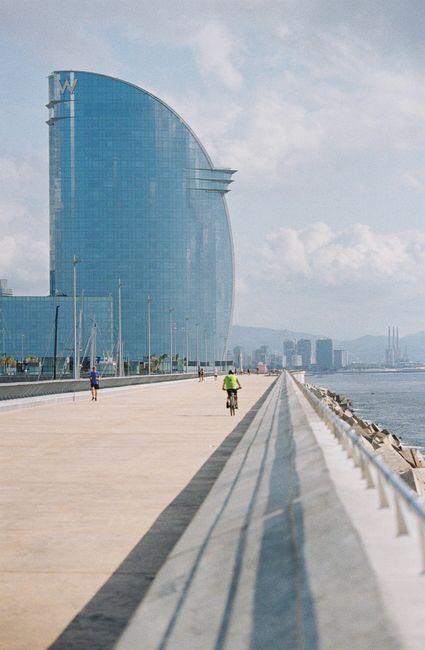
Coastal ride: Start Plaça de la Barceloneta (Plaça de la Barceloneta, 08003 Barcelona) → Passeig Marítim → Port Olímpic → Museu d’Història de Catalunya (Plaça de Pau Vila, 3, 08039 Barcelona). Distance: 6–10 km round trip. Feel: sea breeze, ocean views and waterfront cafés (price of a coffee: €1.50–€3 depending on location). Best time: early morning to avoid crowds, ideally 07:00–09:00.
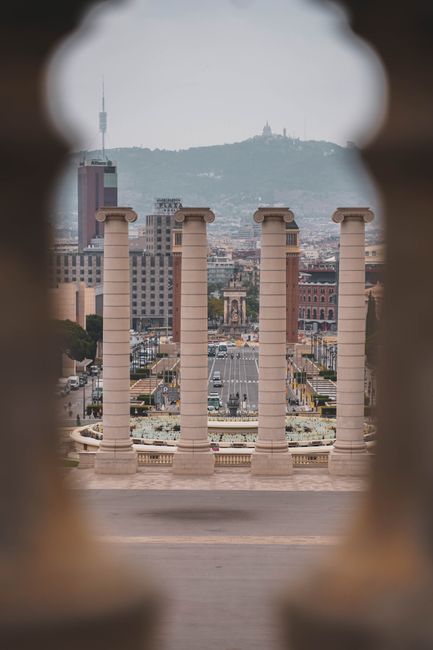
Montjuïc and the city hills: for more climbing, ride up to Montjuïc (Av. Miramar, 08038 Barcelona) from Plaça d’Espanya (Plaça d’Espanya, 08004 Barcelona). Possible visits: Fundació Joan Miró (Parc de Montjuïc, s/n, 08038 Barcelona — opening hours vary, entry around €13) and Castell de Montjuïc (Passeig de Montjuïc, 66, 08038 Barcelona). Note: steep incline, an electric bike is recommended if you’re not trained.
Combining bike + metro/train: folding bikes are allowed on the metro outside peak hours as long as they don’t inconvenience others; check specific rules from Transports Metropolitans de Barcelona (TMB). Renfe and Rodalies regional trains accept bikes outside peak times; some long-distance services require a supplement if the bike isn’t folded. Tip: park your bike at a Bicing station near a main train station like Estació de Sants (Plaça dels Països Catalans, 1) and continue by train if needed.
Guided bike tours: several operators offer themed tours. Example: the “Modernisme and Gaudí” tour (often starting near Plaça de Catalunya) from €25–€35 for 2–3 hours, covering Passeig de Gràcia and Sagrada Família. These tours include bilingual guides, safety tips and ideal photo stops.
Conclusion — Biking as a healthy, practical and sustainable choice
Swapping the sometimes dirty and overcrowded metro for a bike in Barcelona means embracing a lifestyle that mixes wellbeing, efficiency and pleasure. The city’s cycling network connects major urban hubs while reducing exposure to closed, poorly maintained spaces. Whether you choose the municipal system Bicing, a daily rental or buying your own bike, there are options to suit every need: commuting, sightseeing or daily training.
From a health standpoint, daily cycling improves cardiorespiratory fitness, reduces stress and strengthens muscles, while limiting exposure to germs found in packed metro cars. Practically, biking gives you the flexibility to avoid delays and discover neighborhoods the metro doesn’t always serve: the narrow lanes of the Barri Gòtic (Carrer de la Pietat, 5, 08002 Barcelona), cafés in El Born (Carrer del Rec, 08003 Barcelona) or viewpoints over Montjuïc.
Finally, to get the most out of this alternative, plan your routes, gear up properly (helmet, lights, lock), follow local rules and enjoy the recommended itineraries. With a little preparation, biking becomes not just a means of transport but a healthier, more sustainable way of life that perfectly matches Barcelona’s pace and beauty. Safe travels and happy riding!