





Introduction — Why Ditch Tour Buses and Choose Local Alternatives in Barcelona
Double-decker tourist buses have long been the easy way to « see » Barcelona in one go. But for travelers who want to understand the city rather than just skim its surface, those standardized circuits feel boxed-in and often out of step with the real rhythm of neighborhoods. Barcelona is a human-scale city woven from medieval alleys, bustling markets, lively beaches and panoramic hills: it reveals itself best on foot, by bike, on local trams, funiculars, or simply by chatting with neighborhood shopkeepers. This guide, « COUNTER-CURRENT: Skip the Tour Buses? Local Alternatives to Explore Barcelona, » gives you routes, exact addresses, price estimates, opening hours and practical tips to experience the city like a local.
Below you’ll find alternatives grouped by theme — walking routes and neighborhoods to explore, bike rides and rentals, food experiences and markets, viewpoints and urban hills, and offbeat transport options (tram, funicular, cable car). Each section includes precise addresses, immersive descriptions and tips to make the most of your visit without falling into the sanitized-tourism trap. Swapping the bus for a mix of walking, public transit and small local businesses not only gets you to authentic spots — taverns, artisan workshops, hidden squares — but also feeds money back into the local economy.
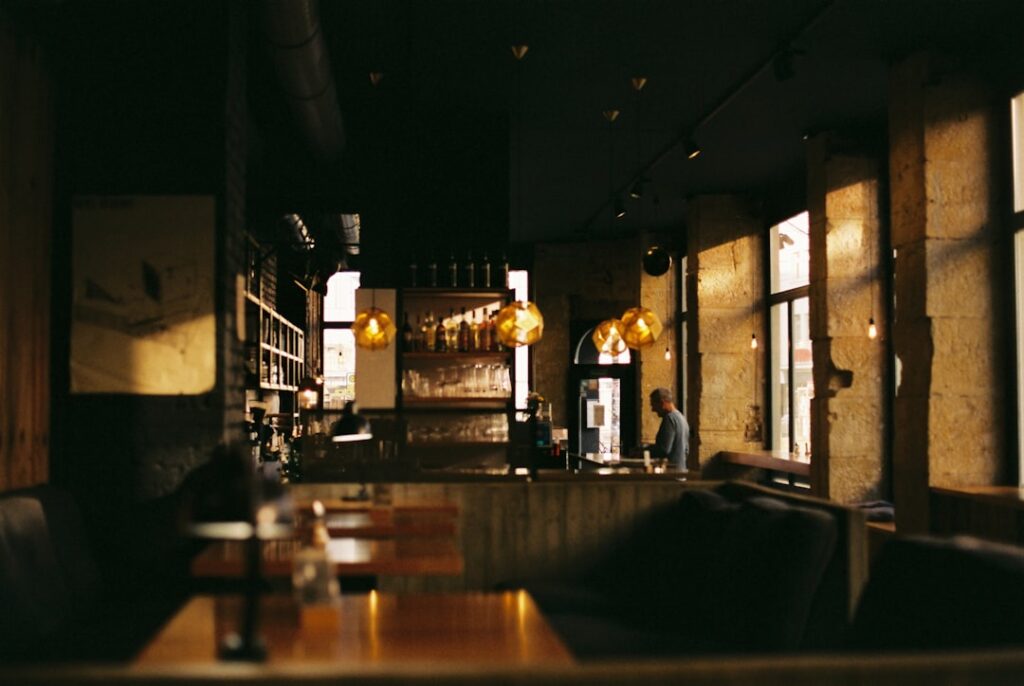
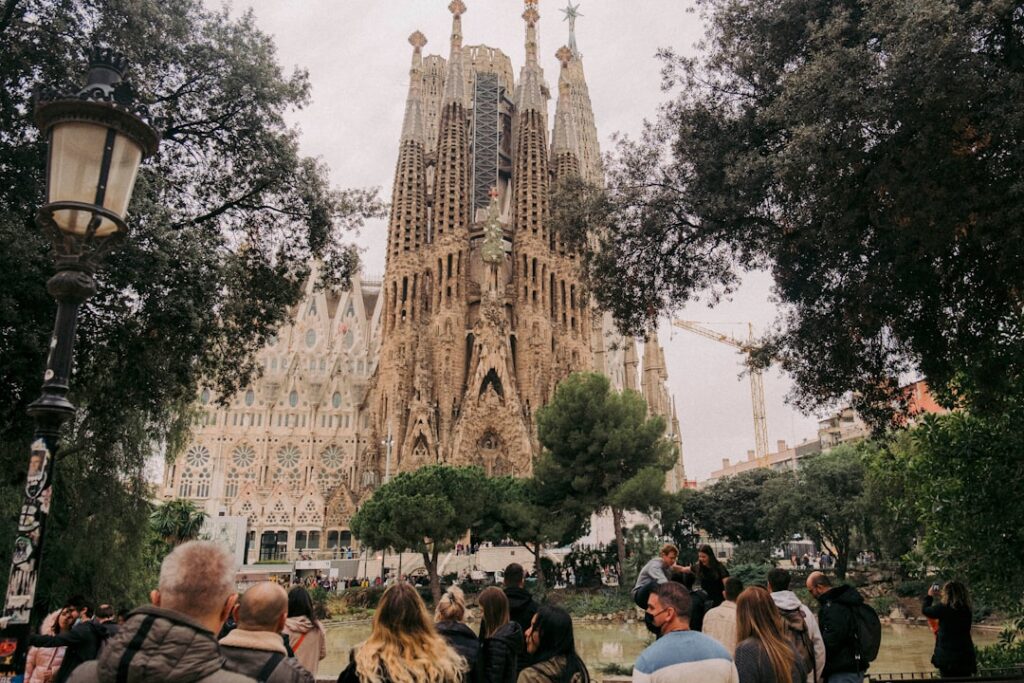
This guide is aimed at independent travelers who want to smell the sea air in Barceloneta at first light, taste a cutlet in a Gràcia bodega, admire the Sagrada Família in golden hour, or sip a coffee on a Born terrace while overhearing Catalan conversation. Practical info includes typical opening windows, average prices in euros and tips to avoid queues. Note that prices and hours can change with the season; check official sites before you go.
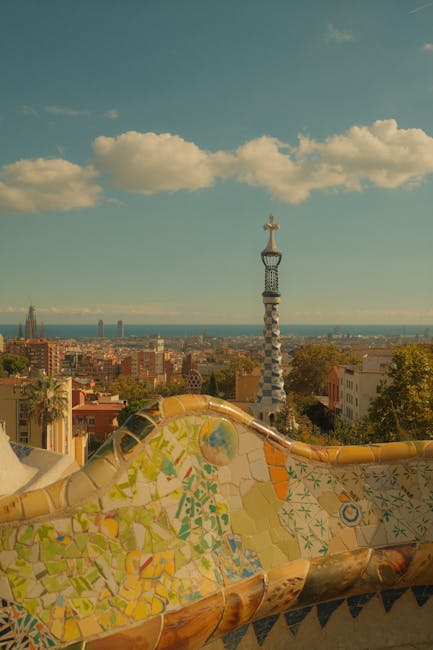
Finally, the guide offers visual cues — photographic reference points — for each spot to help you spot the most picture-worthy perspectives (sunset, modernist facades, colorful markets). You’ll also find recommendations for food lovers, detailed walking routes and low-impact mobility options to sustainably replace tourist buses. After reading, you’ll have concrete, doable options to explore Barcelona more slowly, more richly and far more memorably.
1. Walks and Neighborhoods: El Born, the Gothic Quarter and Gràcia
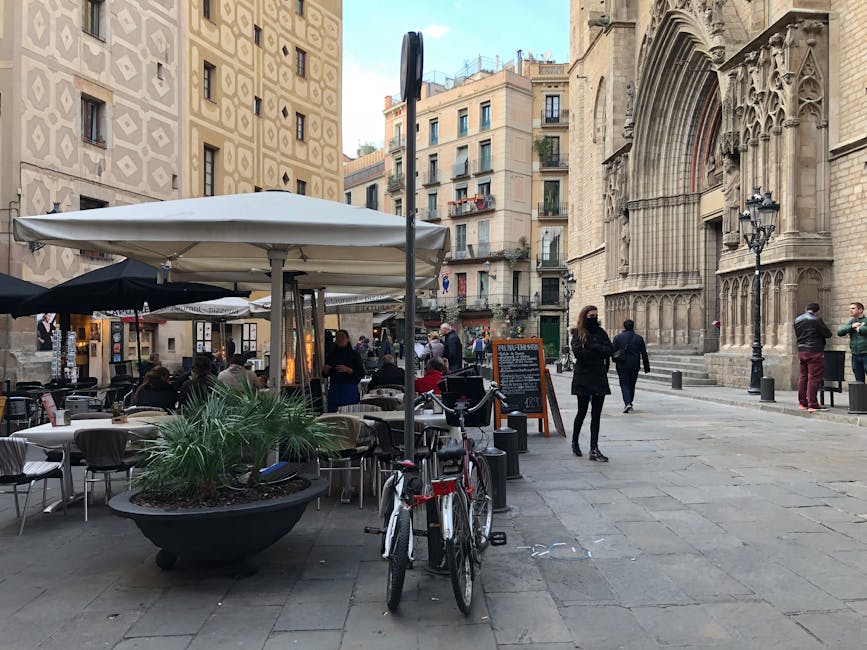
Walking is the most immersive way to discover Barcelona. Three neighborhoods are especially suited to on-foot exploration: El Born, the Barri Gòtic (Gothic Quarter) and Gràcia. Each has a distinct personality — El Born with its little shops and tapas bars, the Gòtic with medieval lanes and hidden squares, and Gràcia, a former independent village turned bohemian enclave.
El Born — start at El Born Centre de Cultura i Memòria, Plaça Comercial, 12, 08003 Barcelona. The center generally opens 10:00–20:00 (closing hours vary on Mondays) and entry to the archaeological site is free on some days; temporary exhibits may cost €3–€6. Stroll to the Basilica Santa Maria del Mar, Plaça de Santa Maria, 1, 08003 Barcelona, open roughly 9:00–13:00 and 17:00–20:00 depending on season (free entry for mass; tower visits around €6–€8). The neighborhood is full of artisan shops (Carrer dels Carders and Carrer de l’Argenteria).
Barri Gòtic — begin at Plaça Reial, 08002 Barcelona, a great spot to take in neoclassical architecture and enjoy a vermouth on the terrace. Continue to the Catedral de Barcelona (Cathedral of the Holy Cross and Saint Eulalia), Pla de la Seu, s/n, 08002 Barcelona. Visiting hours are usually 10:00–18:30 (times vary for services). Tourist admission about €9 (includes the cloister).
Gràcia — once an independent village, Gràcia is perfect for neighborhood wandering. Head to Plaça del Sol and Plaça de la Vila de Gràcia for a terrace coffee. Local markets like the Mercat de la Llibertat, Carrer de Joaquím Costa, s/n, 08012 Barcelona, are typically open 8:00–20:00 and offer a slice of everyday Barcelona. Gràcia’s narrow streets are dotted with small squares that come alive with bars and community dances in summer.
Practical tips:
- Best time: Get up early (8:00–10:00) to enjoy the alleys before the crowds and to visit La Boqueria before the tourist rush.
- Safety: Watch for pickpockets, especially in the Gòtic and on La Rambla; use a hidden pouch for documents and cash.
- How long: Plan 3–5 hours to explore one neighborhood in depth, or a full day to combine two on foot.
2. By Bike and Low-Impact Transport: Rent, Pedal and Follow the Coast
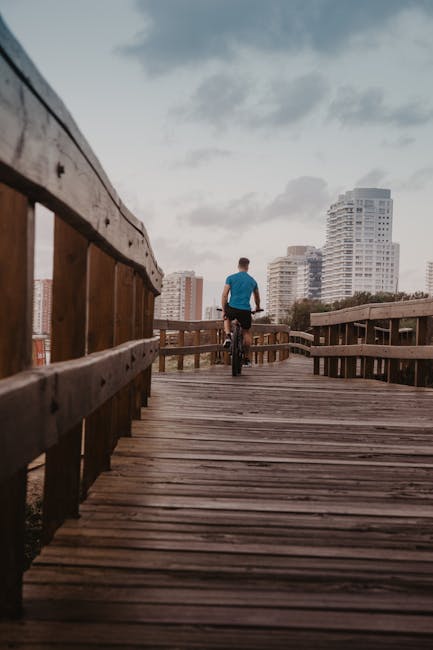
Biking changes how you see Barcelona. The city has an extensive network of bike lanes, especially along the waterfront and through the Eixample. If you want to escape the bus pace, renting a bike or using local services lets you cover more ground than walking while staying close to the urban landscape.
Recommended rentals:
- Green Bikes Barcelona, Carrer de Mallorca, 319, 08013 Barcelona. Rental rates: classic bikes from €12/day, e-bikes from €40/day. Hours: 9:00–19:00. Note: reliable service, guided options available.
- Born Bike Tours, Passeig Lluís Companys, 12, 08003 Barcelona. Prices: guided tours from €25/person for a 3-hour ride (rental included). Hours: 9:00–18:00.
Recommended routes:
- La Rambla to Barceloneta: follow the seafront from Plaça Catalunya to Passeig Marítim de la Barceloneta, 08003 Barcelona. Approx. distance: 3–4 km, ideal for a morning ride or at sunset.
- Passeig de Gràcia and the Eixample: admire modernist facades like Casa Batlló (Passeig de Gràcia, 43, 08007 Barcelona — visits from €35; hours 9:00–21:00) and Casa Milà (La Pedrera) (Passeig de Gràcia, 92, 08008 Barcelona — tickets €25–€35; hours 9:00–18:30).
- Parc de la Ciutadella to Poblenou: cross the park and head to the transformed industrial neighborhood of Poblenou, full of street art and cafes.
Bike tips:
- Wear a helmet if you’re unsure of your balance — pedestrians and taxis can appear suddenly.
- Stick to bike lanes (marked red) and watch out for trams on some stretches.
- Secure parking: some rental companies provide locks and storage if you enter a museum.
3. Markets and Local Food: La Boqueria, Sant Antoni and Small Bodegas
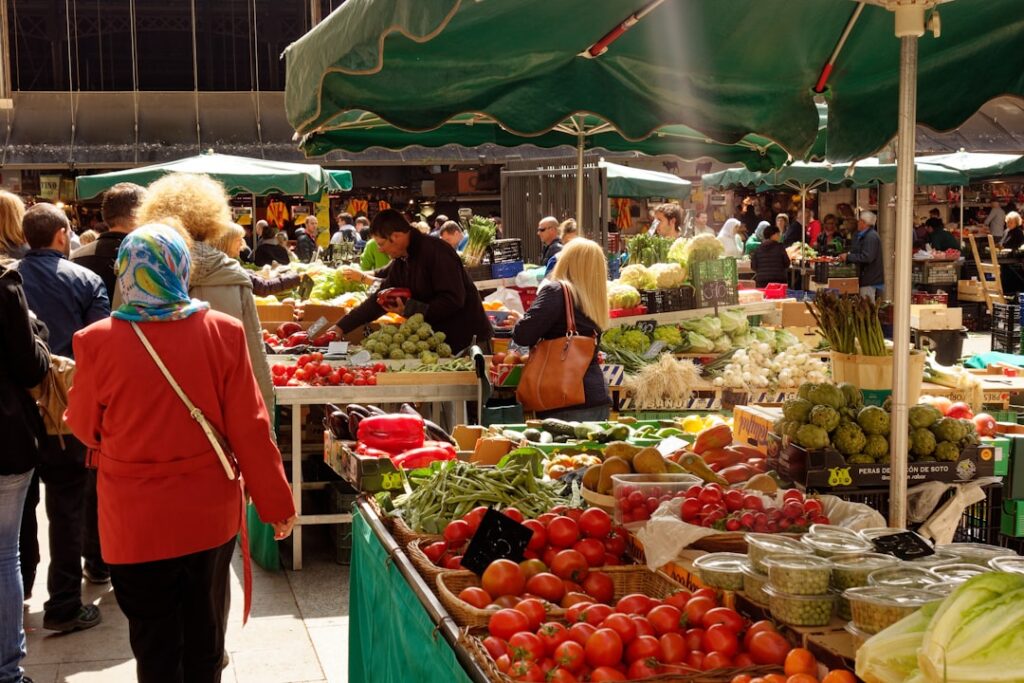
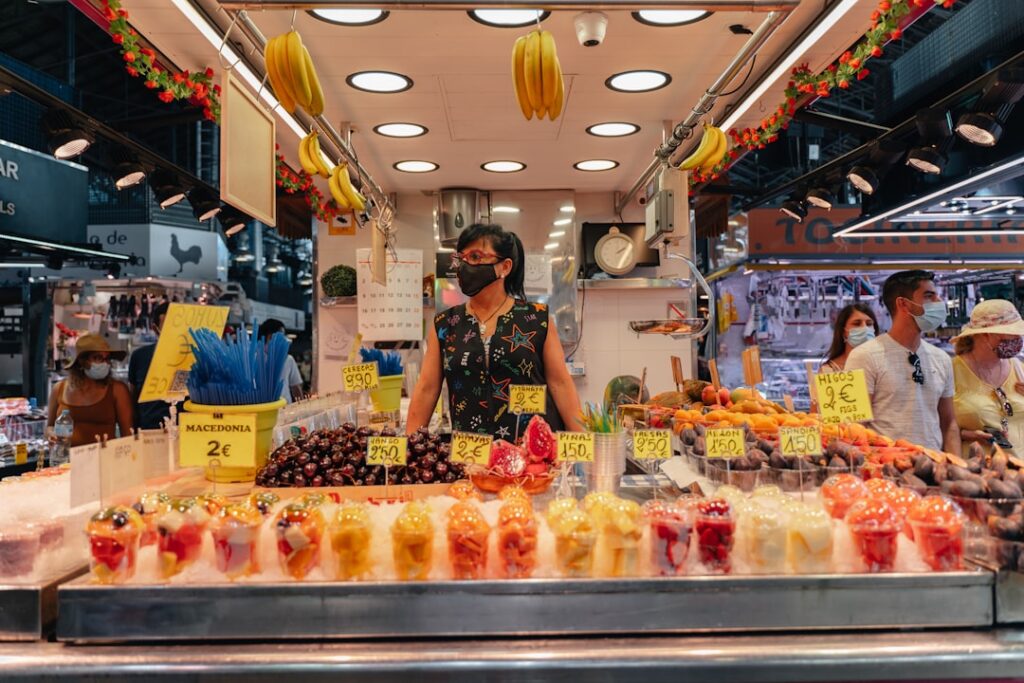
Eating like a local is one of the fastest ways into Barcelona’s soul. Food markets and small bodegas offer more than a meal: they’re a sensory experience. Three must-visits: Mercat de la Boqueria, La Rambla 91, 08001 Barcelona; Mercat de Sant Antoni, Carrer del Comte d’Urgell, 1, 08011 Barcelona; and the traditional bodegas of Barceloneta or El Born.
La Boqueria — hours: 8:00–20:30 (some stalls close earlier). Description: a historic covered market bursting with color and noise, great for quick tapas and fresh produce. Price indication: a seafood platter or a plate of tapas ranges €6–€25 depending on the stall. Tip: avoid the most touristy stalls near the La Rambla entrance; look for stands where locals line up.
Sant Antoni — hours: 8:00–20:00 (with a Sunday market for books and clothes). It’s a renovated market frequented by residents for quality products and reasonable prices. Price: a portion of pa amb tomàquet (tomato bread) + cured meats from a market stall can cost €5–€12.
Bodegas and taverns:
- La Cova Fumada, Carrer del Baluard, 56, 08003 Barcelona. A tiny Barceloneta tavern famous for the « bomba » (potato-and-meat fritter) — dishes €2–€6. Hours: roughly 13:00–16:00 and 20:00–23:00, but the place is simple and often full (no reservations).
- El Xampanyet, Carrer de Montcada, 22, 08003 Barcelona. Historic tapas bar in El Born, served with cava. Prices: tapas €3–€6, a shared bottle of cava €10–€25. Hours: 9:00–23:00 (closing times vary).
Foodie tips:
- Ask for the « menu del día » in non-touristy restaurants for a full midday meal priced €12–€18.
- Try Catalan specialties: escalivada, fideuà, calçots in season (winter–spring).
- Stay hydrated: tap water is drinkable, but many prefer bottled water (€1–€2).
4. Viewpoints, Hills and Panoramas: Bunkers del Carmel, Montjuïc and Tibidabo
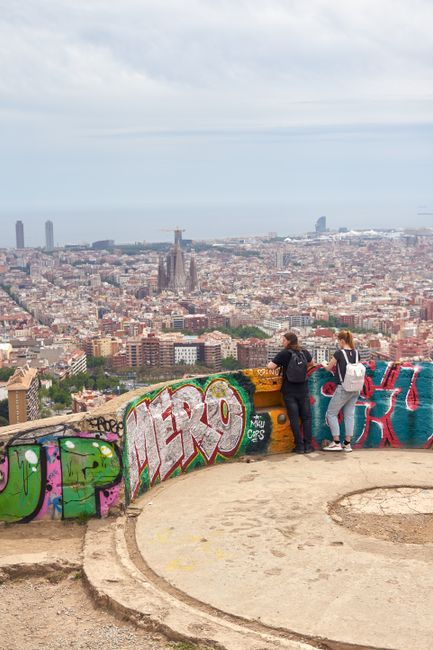
To avoid the crowds drawn by bus tours promising « panoramic views, » opt for viewpoints you can reach via local transport. Three excellent options: the Bunkers del Carmel (Mirador del Turó de la Rovira), Montjuïc and Tibidabo. Each offers a different take on the city — coastline, modernist skyline or a mountain-top perspective.
Bunkers del Carmel — address: Ctra. de Rovira i Trias, s/n, 08032 Barcelona. Hours: public site open 24 hours, though it fills up at sunset. Description: a former anti-aircraft battery with 360° views of the city, perfect for a late-afternoon picnic. Access: metro L4 (Guinardó-Hospital de Sant Pau stop) + a 15–25 minute walk up, or local buses H8/H4 depending on your start point. Tip: bring a blanket; there are no restrooms or water points.
Montjuïc — highlights: Castell de Montjuïc, Ctra. de Montjuïc, 66, 08038 Barcelona. Hours: 10:00–18:00 (seasonal changes). Castle entry about €5–€6. Access: take the Montjuïc Funicular from Paral·lel station (connected to metro L3). The Telefèric de Montjuïc (Avinguda Miramar, 30, 08038 Barcelona) offers a scenic ride: round-trip fare about €16 (check online). Montjuïc is also home to botanical gardens and the Museu Nacional d’Art de Catalunya (MNAC), Pl. dels Museus, s/n, 08038 Barcelona — tickets €12–€15; hours 10:00–18:00.
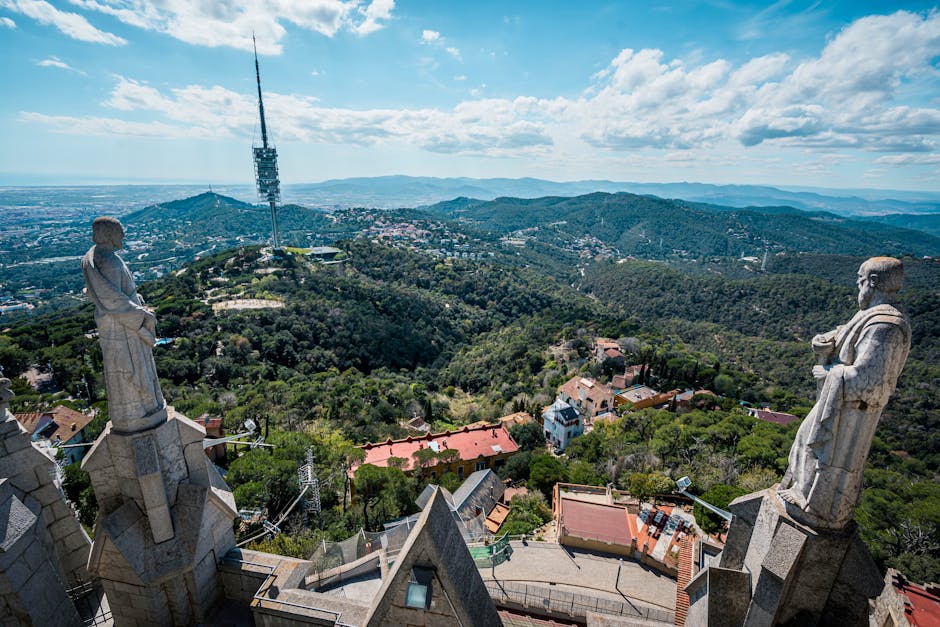
Tibidabo — address for the park and church: Plaça del Tibidabo, 3-4, 08035 Barcelona. Opening hours for the amusement park and church vary (park mainly open weekends and in season). Access: FGC train (Peu del Funicular station) + Tibidabo funicular or bus 196. The summit gives a spectacular view over the bay with the Sagrada Família lining up on the horizon. Funicular and attraction prices vary; budget €7–€10 for the funicular ride if you’re not taking a park combo.
Panorama tips:
- Visit early morning for soft light and fewer people at the Bunkers and Tibidabo.
- Bring a windbreaker — it gets breezy on the summits.
- If you bring food or drinks, pack out what you bring — these natural sites are managed and often protected.
5. Alternative Transport and Unique Experiences: Tram, Funicular, Local Boats
To replace the impersonal hop-on hop-off bus experience, consider these alternatives: historic trams, classic funiculars and small local boats along the harbor. These modes let you immerse in daily life while revealing new angles of the city.
Tram and tramvia — TRAM lines (Trambaix and Trambesòs) serve outer neighborhoods like Sant Martí and Diagonal Mar. Fare: a single zone-1 metro/tram ticket is about €2.40 (check TMB for current fares). Hours: generally 5:00–24:00 on weekdays. The tram is ideal for reaching contemporary neighborhoods that tourist buses often skip.
Funicular de Montjuïc — part of the TMB metro network, departing from Paral·lel station (L3). Price: an integrated metro/funicular ticket about €2.40 (consider a T-Casual 10-ride pass at ~€11.35 to save if you’ll travel a lot). Hours: often 7:30–22:30 depending on season. The funicular is quick and drops you right at Montjuïc’s main attractions.
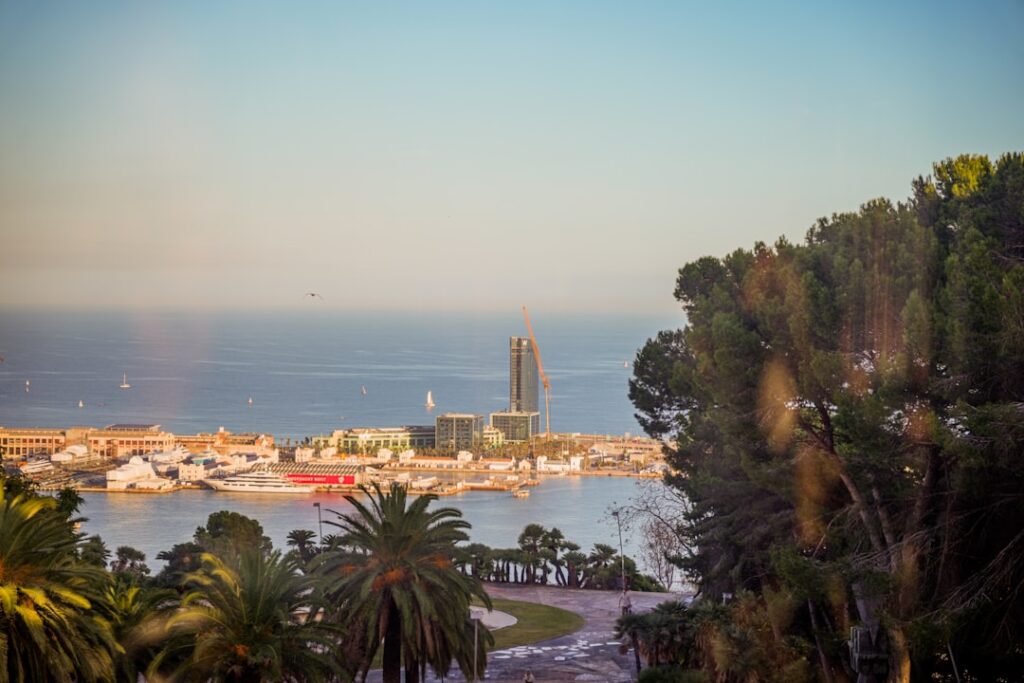
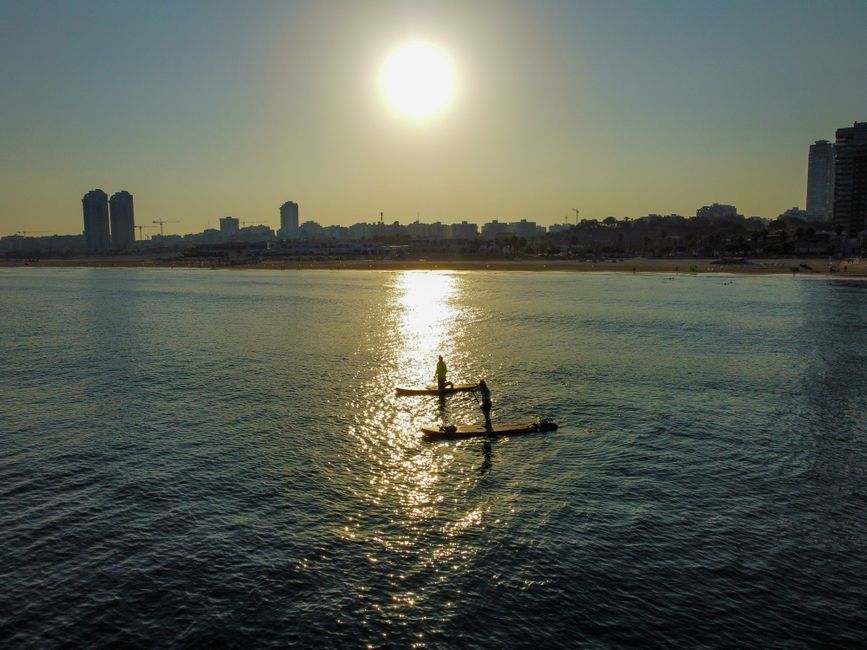
Local boats — instead of large crowded tourist vessels, pick a small-boat outing from Port Vell (Moll de la Fusta, s/n, 08039 Barcelona) or rentals in Barceloneta. Price: a short private small-boat trip typically starts around €30–€50/person for 1–2 hours if booked for a group, while big tourist operators charge more and tend to be crowded. An original alternative: rent a paddleboard along Passeig Marítim de la Barceloneta for €15–€25/hour.
Experience tips:
- Mix transport modes: funicular + walk through Montjuïc gardens, then tram back toward the beach.
- Book small-boat outings in advance in high season (July–August).
- Favor local operators for a more responsible, authentic approach.
Conclusion — Slow Travel in Barcelona: Why It’s Better
Trading tourist buses for local alternatives will change how you experience Barcelona. Rather than ticking monuments off at top speed, you learn the city’s human geography: where families have breakfast, where artisans still work, which alleys turn into lively little squares at dusk. Walks, bike routes, buzzing markets, hilltop panoramas and alternative transport like the funicular or tram give you a richer, more respectful palette of experiences that align with local life.
This guide has given you exact addresses — Sagrada Família, Carrer de Mallorca 401; Park Güell, Carrer d’Olot, 5; Casa Batlló, Passeig de Gràcia 43 — plus price ranges and opening hours to plan your visit. The practical details (hours, fares, local tips) are meant to reduce uncertainty and encourage mixed days: market in the morning, a coastal bike ride in the afternoon, and a sunset from a viewpoint to close the day.
Ultimately, going « against the current » in Barcelona also means supporting the local economy: small bodegas, independent bike rentals, local guides and artisans. It’s a choice that’s both more sustainable and more rewarding. Take your time, talk to shopkeepers, savor meals without rushing and let the little discoveries surprise you — they’re what make each trip unique. Barcelona is a city to be savored slowly — its true riches appear when you let yourself wander and connect.