





Introduction — Why this quick guide to asking for “gluten-free” in Barcelona
Barcelona is a food-loving city where dining out is a daily habit: tapas, pa amb tomàquet, local pastries, lively markets. If you’re gluten-intolerant, have coeliac disease, or you’re traveling with someone who does, having a handful of Catalan and Spanish phrases ready — plus a list of go-to places — can make a huge difference. This guide is designed to be practical right away: ready phrases, checklists, step-by-step actions, exact addresses, estimated prices and opening hours so you can ask for “gluten-free” with confidence.
Here you’ll find phrases in Catalan and Spanish organized by context (restaurant, market, café, bakery), plus precise ways to ask questions like “Is this gluten-free?”, “Can you avoid cross-contamination?”, and “Do you have a gluten-free menu?”. The aim is to replace worry with clear words and simple actions — and to point you to tested spots in Barcelona where staff understand the stakes of coeliac disease.
This guide is for different types of travelers: solo visitors, families, and short-term expats. It teaches not only what to say, but how to say it — tone, keywords to stress — and what to check on the plate. The included checklists will help you before ordering, at a market stall, or when buying bread and pastries in a bakery.
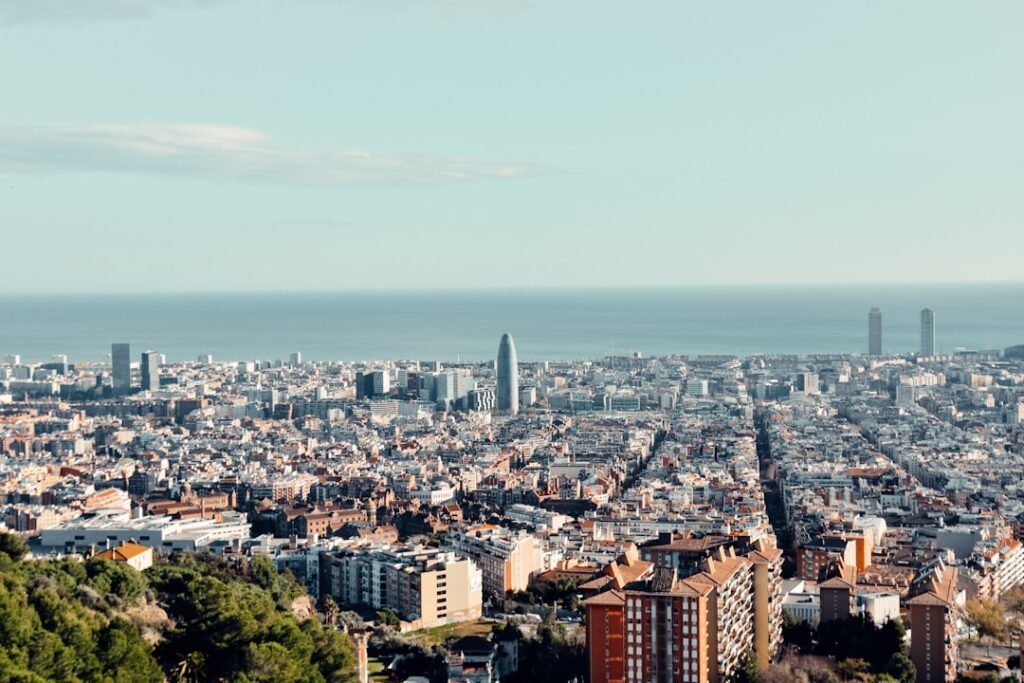
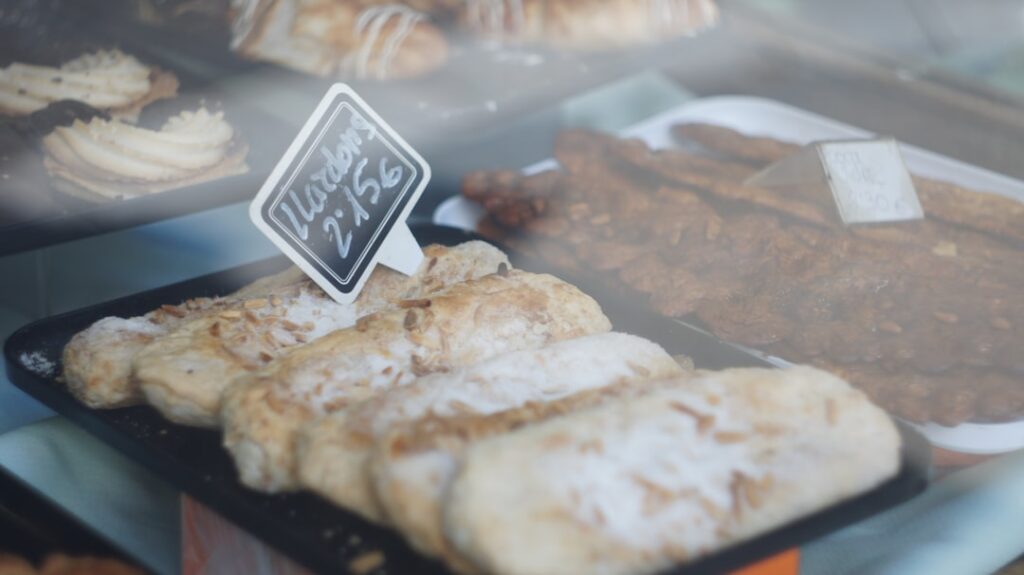
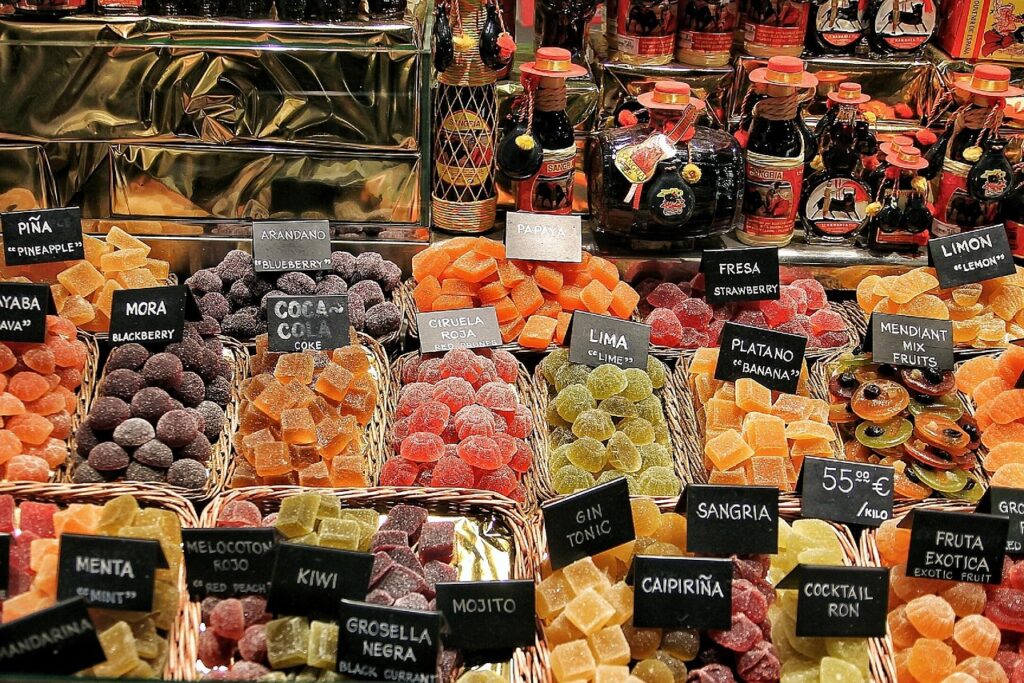
To help you visually spot related scenes, I’ve inserted image markers (7 to 12) that show gluten-free moments in Barcelona: markets, gluten-free dishes, specific bakeries and restaurants. These visual cues should help you recognize places once you’re on site.
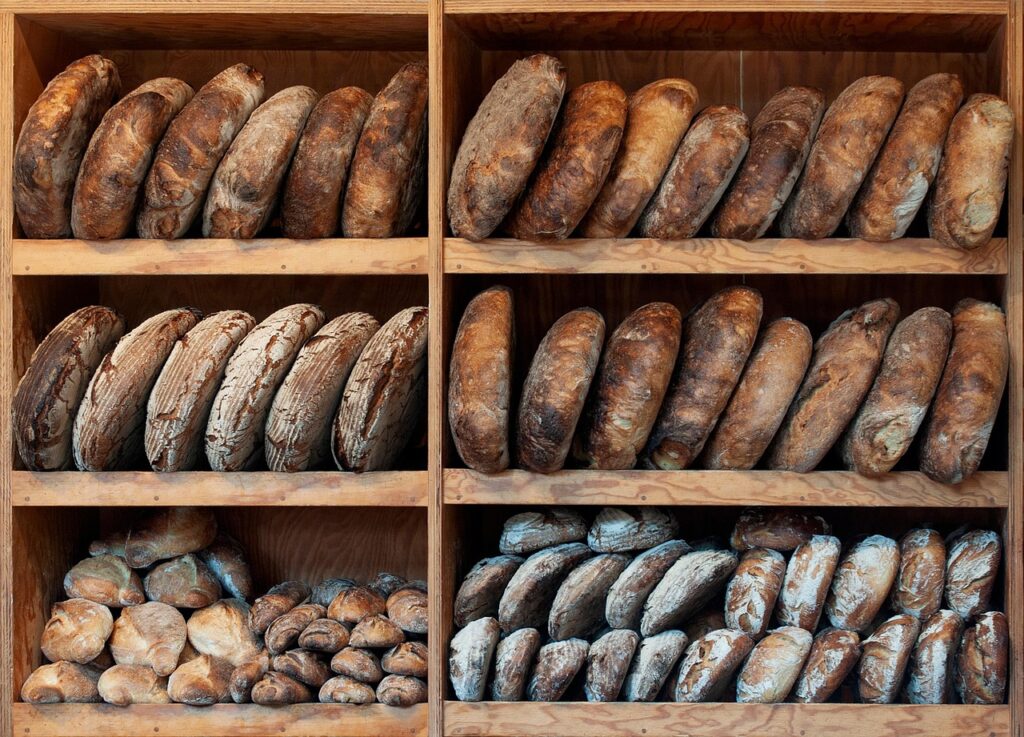
Section 1 — Essential phrases: how to say “gluten-free” and variations in Catalan and Spanish (restaurant, café, bakery)
Always start by making your restriction clear: coeliac or gluten-intolerant. Below are ready-to-use phrases, followed by the recommended order to use them (from most urgent to most detailed). Memorize them or keep them handy on your phone.
- Short, direct phrase (useful at a counter)
- Spanish: “¿Tiene comida sin gluten?” (Approximate pronunciation: ¿Tiéné cómida sin glúten?)
- Catalan: “Teniu menjar sense gluten?” (Pronunciation: Té-niu mén-jár sén-sé glú-tèn?)
- Phrase to clarify severity (coeliac)
- Spanish: “Soy celíaco / celíaca. Necesito que sea totalmente sin gluten.” (Soy say-LYA-co / say-LYA-ca. Necesito que sea totalmente sin glúten.)
- Catalan: “Sóc celíac / celíaca. Necessito que sigui totalment sense gluten.” (Sók seh-LEE-ak / seh-LEE-aka.)
- Phrase to ask about cross-contamination
- Spanish: “¿Pueden evitar la contaminación cruzada? No puede tocar utensilios con gluten.”
- Catalan: “Podeu evitar la contaminació creuada? No pot tocar estris amb gluten.”
- Phrase for desserts and bakeries (important to ask about ingredients)
- Spanish: “¿Esta tarta/pan tiene harina de trigo o gluten? ¿Cuál es el ingrediente?”
- Catalan: “Aquest pastís/pa porta farina de blat o gluten? Quin és l’ingredient?”
- Phrase to ask for a special menu
- Spanish: “¿Tienen carta o menú sin gluten?”
- Catalan: “Teniu carta o menú sense gluten?”
Pronunciation tip: stress “sin gluten” / “sense gluten” and keep your tone firm but polite. If the server hesitates, repeat the cross-contamination line — that’s often what makes staff take extra care.
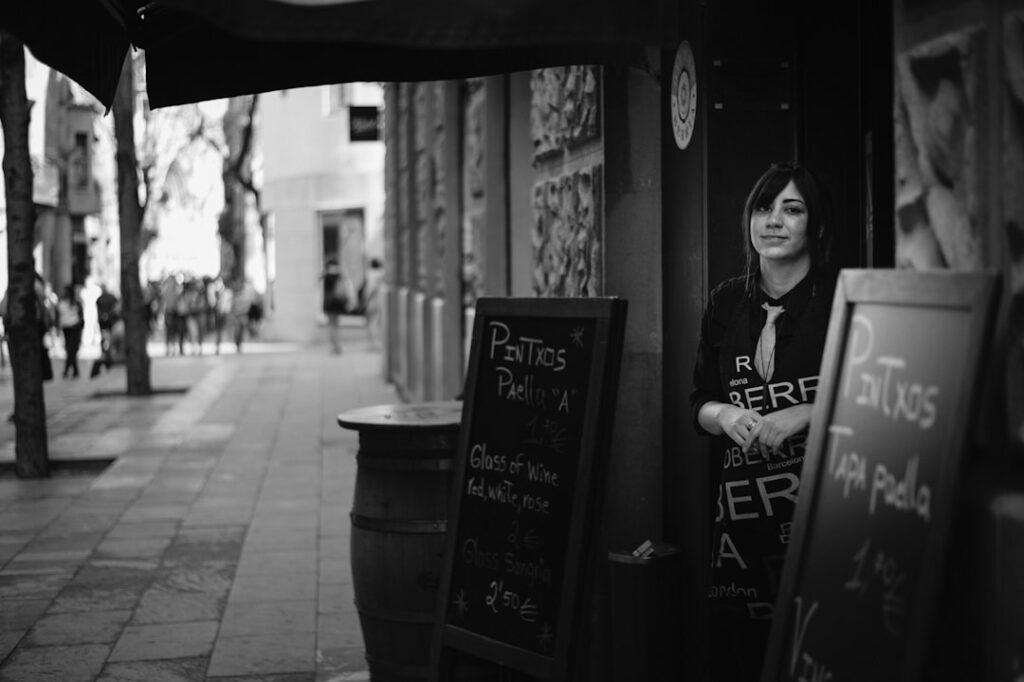
Section 2 — Step-by-step process to order gluten-free in a Barcelona restaurant (checklist and actions)
Ordering gluten-free is more than saying a few words: it’s a six-step process to minimize cross-contamination risk. Follow this method anywhere in Barcelona, with concrete examples for each interaction.
- Step 1 — Announce it clearly as soon as you arrive
When you’re seated or when you book, say: “Soy celíaco / Sóc celíac. ¿Tienen menú sin gluten? / Teniu menú sense gluten?” This sets a mental protocol for the staff. If you book by phone, repeat the same phrase.
- Step 2 — Ask for the gluten-free menu and identify dishes
Ask for a dedicated menu or for the symbols on the menu. If it’s unclear, ask: “¿Cuál plato me recomienda sin gluten? / Quin plat em recomana sense gluten?”
- Step 3 — Ask the key question about cross-contamination
Phrase: “¿Pueden evitar la contaminación cruzada? No puede tocar utensilios con gluten. / Podeu evitar la contaminació creuada? No pot tocar estris amb gluten.” If the answer is vague, ask to speak with the chef.
- Step 4 — Check specific ingredients
For sauces and fried items: “¿Esta salsa lleva harina o soja? ¿Se fríe en la misma sartén que alimentos con gluten?” In Catalan: “Aquesta salsa porta farina o soja? Es fregeix a la mateixa paella que aliments amb gluten?”
- Step 5 — Confirm price and waiting time (important for markets and food courts)
Many gluten-free options cost a bit more. Ask the price: “¿Cuánto cuesta este plato sin gluten?” or “Quant costa aquest plat sense gluten?” Note the price on the bill before paying.
- Step 6 — Final check when the dish arrives
When the plate is served, repeat: “¿Este plato es el sin gluten?” (“Aquest plat és el sense gluten?”). Inspect visually: no unexpected bread, sauces on the side, separate frying oil.
Checklist to print or save on your phone before ordering:
- Announce: “Soy/Sóc celíaco”
- Ask for the gluten-free menu
- Ask about cross-contamination
- Verify ingredients and cooking method
- Confirm the price
- Check again when the dish arrives
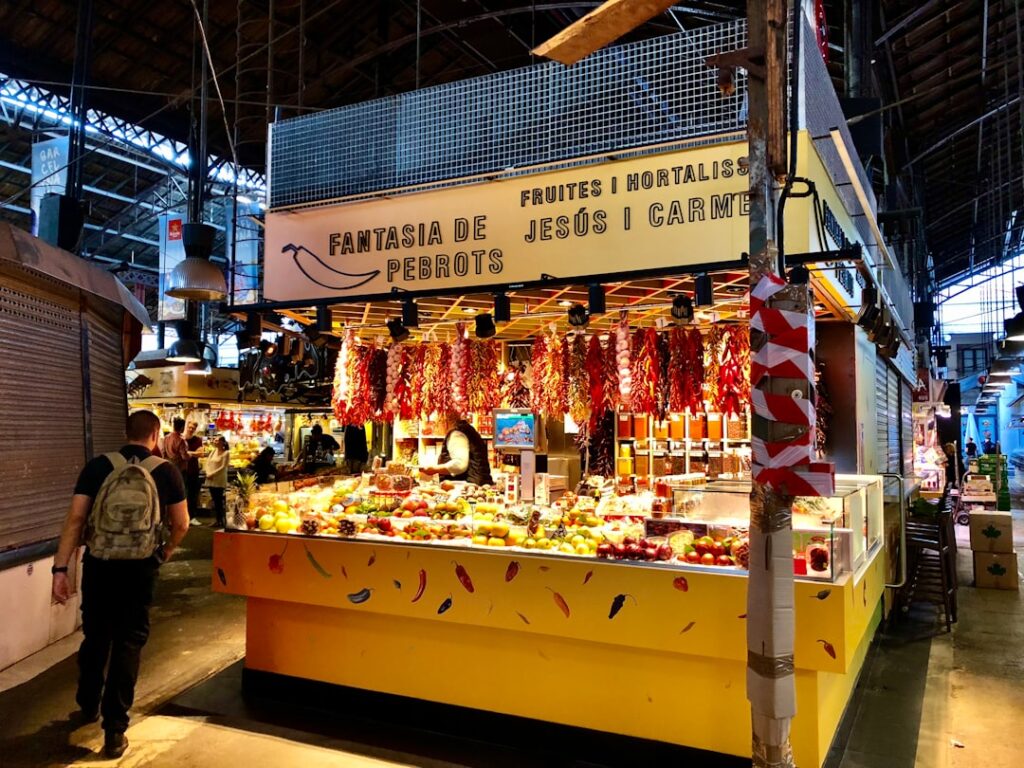
Section 3 — Specific addresses in Barcelona: markets, bakeries and restaurants with gluten-free options (addresses, hours, prices)
Here’s a curated list of places in Barcelona where gluten-free handling is clear or where staff are used to answering these requests. Hours and prices are given as a guide — check locally for updates. The list covers markets, artisan bakeries, restaurants and cafés.
-
Mercat de la Boqueria — La Rambla, 91, 08002 Barcelona
Hours: Monday to Saturday 8:00–20:30 (closed some public holidays). Stalls with gluten-free options: ask at fish and charcuterie counters for simple dishes. Indicative prices: gluten-free tapas €6–12 depending on portion. Tip: say “Sóc celíac, necessito que no hi hagi contaminació” if ordering made-to-order items.
-
La Besné – Gluten-free bakery (local example)
Address: Carrer de Gràcia, 121, 08012 Barcelona (check the local storefront for exact opening hours). Typical hours: 9:00–19:00. Prices: gluten-free bread €3–5, cakes €2.5–4.5. Ask “¿Este pan es 100% sin gluten?” and check the label.
-
Flax & Kale — Carrer dels Tallers 74b, 08001 Barcelona (example of a healthy chain)
Hours: Mon–Sun 9:00–23:00. Dish prices: €9–18. Many items are marked “GF” on the menu. Always confirm how they’re prepared. Tip: ask “¿Este plato es sin gluten y preparado separado?”
-
El Born gluten-friendly café (example)
Address: Passeig del Born 28, 08003 Barcelona. Hours: 8:30–20:00. Prices: coffees €1.8–3, gluten-free sandwiches €6–9. Staff are used to these requests; show the phrase in Catalan if needed.
-
Specialist supermarket « Gula Sana » (gluten-free shop example)
Address: Carrer de Sardenya 321, 08025 Barcelona. Hours: 9:00–21:00. Prices: gluten-free pasta €2.5–4, flours and mixes €3–8. Great if you’re staying in an apartment with a kitchen and want to cook.
Note: some local business names may vary — before you go, check Google Maps or ask your hotel front desk. In Barcelona, Eixample, Gràcia and El Born have the highest concentration of gluten-free options.
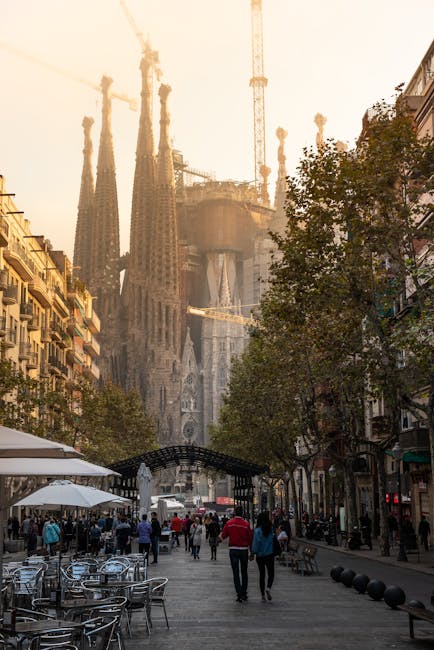
Section 4 — Practical scenarios and detailed phrases by situation: booking, market, food truck, food emergencies
Adapt your sentence to the situation. Below are concrete scenarios and exactly what to say or do, step by step, with Catalan and Spanish phrases.
1) Booking a restaurant
By phone or online, state your restriction. Example:
- Spanish: “Hola, quisiera reservar para 2 a las 20:00. Soy celíaco, ¿tienen opciones sin gluten y pueden evitar contaminación cruzada?”
- Catalan: “Hola, voldria reservar per a 2 a les 20:00. Sóc celíac, teniu opcions sense gluten i podeu evitar la contaminació creuada?”
Tip: ask which service time is quieter — a calm service reduces the chance of mistakes. Note the name of the person who confirms the booking.
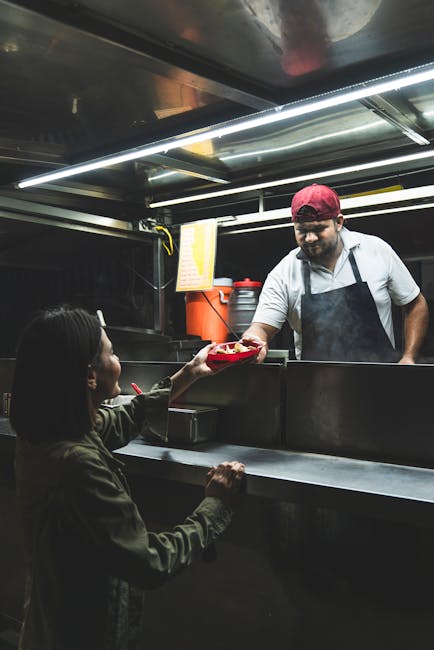
2) At a market or food truck
Vendors are often busy. Get straight to the point:
- “¿Esto es sin gluten? Soy celíaco.” / “Això és sense gluten? Sóc celíac.”
- If it’s fried: “¿Se fríe en la misma aceite que alimentos con gluten?” / “Es fregeix a la mateixa oli que aliments amb gluten?”
Ask the vendor to prepare it in front of you if possible. Market prices vary: tapas/sandwiches €4–10, drinks €1–3.
3) In a bakery
Point to the pastry you want and ask:
- “¿Este pastel es 100% sin gluten y hecho en un horno separado?” / “Aquest pastís és 100% sense gluten i fet en un forn separat?”
If the answer is unclear, choose a packaged product with an ingredient label. Prices: small pastries €2–5.
4) If you have an allergic reaction or serious doubt
If you suspect accidental ingestion: ask for help immediately, say “food allergy / allergic reaction” and ask someone to call emergency services:
- Spanish: “¡Necesito ayuda! Reacción alérgica por gluten. ¿Puede llamar a una ambulancia?”
- Catalan: “Necessito ajuda! Reacció al·lèrgica per gluten. Pot trucar una ambulància?”
Emergency number in Spain: 112. Always give the full address (street and number) — for example: “Carrer de Provença 123, Eixample”.
Conclusion — Summary, final tips and a gluten-free travel checklist for Barcelona
Getting around Barcelona with a gluten restriction is manageable with a little preparation: learn the key phrases in Catalan and Spanish, follow the six-step ordering procedure, and favor places that clearly advertise their options. Make “Soy celíaco / Sóc celíac” and “¿Pueden evitar la contaminación cruzada? / Podeu evitar la contaminació creuada?” your opening lines. Always ask for the gluten-free menu and double-check when the dish arrives.
Final checklist to print or save on your phone:
- Medical card and prescription (if you have emergency medication)
- List of phrases in Spanish and Catalan (saved on your phone)
- Emergency number 112 saved
- List of local addresses (La Boqueria market, nearby gluten-free bakery, friendly cafés) and opening hours
- Small food kit (gluten-free bars, snacks) for emergencies
- Screenshots of “sin gluten / sense gluten” labels from menus
Extra local tips:
- Prefer restaurants that clearly display “Sin gluten” or “GF” on the menu — it reduces the chance of error.
- Markets like La Boqueria offer fresh, easy-to-eat options (grilled fish, veggies), but insist on separate preparation.
- If you rent an apartment, shop at a specialist supermarket to cook for yourself — cheaper and full control over ingredients.
Barcelona is welcoming and the gluten-free scene is growing. By combining practical Catalan and Spanish phrases, consistent checks and a few trusted spots, you’ll be able to enjoy Catalan cuisine without compromising your food safety. Have a great trip — enjoy your meal!