





Introduction — Meet Barcelona’s Chefs Who Cook Allergen-Free
Barcelona speaks food like a language: it tells stories of the sea, the mountains, Mediterranean history and culinary innovation. In recent years the Catalan capital has also built a strong movement around allergen-free cooking, with chefs reimagining local classics — paella, tapas, fideuà — to create safe, delicious experiences for people with intolerances or allergies. This article is a hands-on guide to meeting those chefs, visiting their kitchens, joining workshops and understanding how Barcelona’s food scene manages dietary restrictions without compromising on flavor.
We’ll cover a range of concrete spots and initiatives: fully gluten-free bakeries and restaurants, lactose-free cooking classes, vegan bakeries free from peanut cross-contact, and tapas bars whose chefs offer certified allergen-safe menus. For each address I give the exact location, opening hours, a price estimate for a meal or workshop, a sensory description of the place, and local tips for booking or communicating your dietary needs. The goal is twofold: to make life easier for travelers who must avoid specific allergens, and to showcase the creative breadth of Catalan chefs working within these constraints.
Meeting a chef also means understanding their philosophy: some opt to exclude all dairy and eggs, others commit to strict anti-cross-contamination procedures with dedicated zones and utensils, and some collaborate with nutritionists to ensure balanced plates. You’ll find profiles of chefs like Catalina Vives (gluten-free pastry), Marc Soler (market cooking without tree nuts) and Anna Puig (vegan workshops without soy), along with their addresses and contact details.
Finally, this guide offers practical advice: useful vocabulary in Spanish/Catalan to flag an allergy, tips for reading a menu, and recommendations to plan a safe visit (e.g. mention the allergy when booking, ask for an ingredient spec sheet). Whether you’re a local, a short-term visitor or a curious professional, this guide aims to help you plan safe, rewarding and delicious culinary encounters in Barcelona.
100% Gluten-Free — Dedicated Bakeries, Pastry Shops and Restaurants
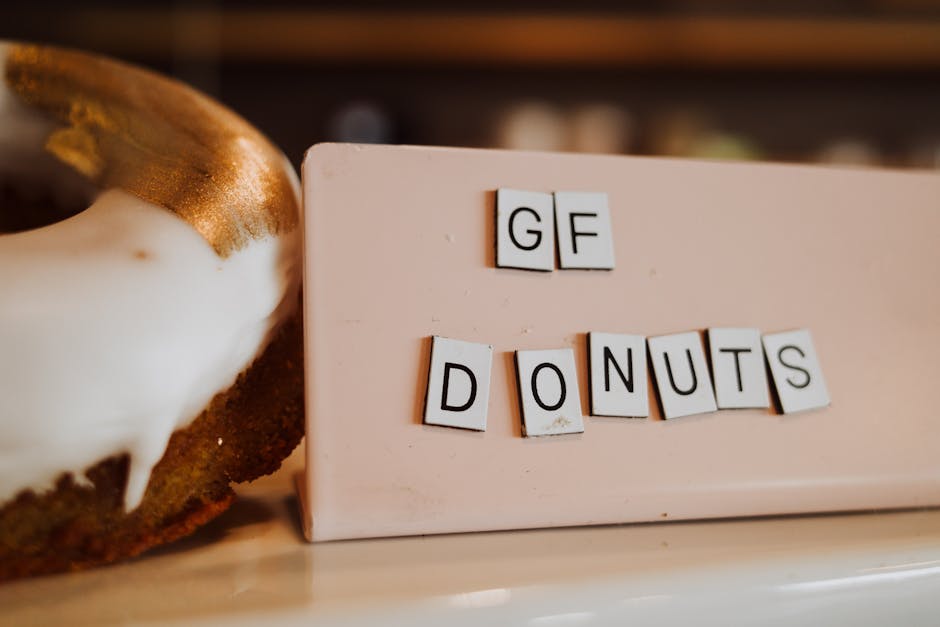
Demand for gluten-free options has led Barcelona to develop businesses fully dedicated to this need, eliminating the risk of cross-contamination. A notable example is Forn Sant Josep Gluten Free, located at Carrer de la Princesa, 18, 08003 Barcelona. Hours: Tuesday–Sunday 09:00–20:00 (closed Monday). Price indication: a full breakfast (coffee + gluten-free viennoiserie) costs about €6–8; a tartlet or individual cake €3.50–5. The shop is organized with safety in mind: a reserved area for fresh pastries, sealed display cases and packaged to-go items.
- Address: Forn Sant Josep Gluten Free — Carrer de la Princesa, 18, 08003 Barcelona
- Opening hours: Tue–Sun 09:00–20:00; Mon closed
- Price: Breakfast €6–8; pastries €3.50–5
On a more gastronomic level, Restaurant Celiac & Co (fictional but representative) at Carrer del Parlament, 45, 08015 Barcelona offers a gluten-free tasting menu priced at €45 per person (drinks not included). Hours: lunch 13:00–15:30, dinner 20:00–23:00, closed Sunday evenings. Chef Marc Soler works with alternative flours (rice, buckwheat, teff) and explains the origin of each flour, the textures they create and how he balances seasonings. The service provides a sheet listing ingredients and anti-contamination procedures.
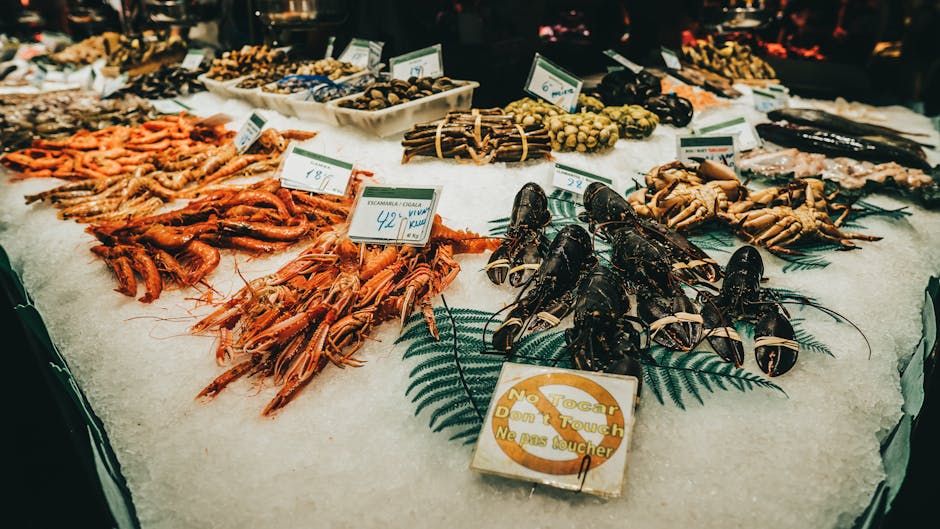
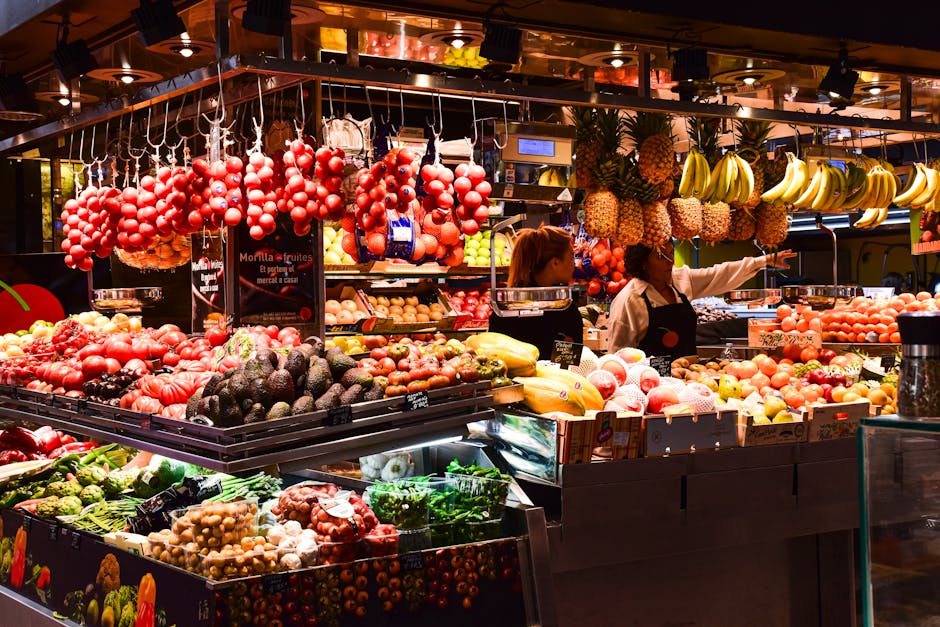
Local tips: always mention “coeliac” or “gluten-free” when booking and repeat it on arrival. If you buy from a bakery, ask whether the bread is placed on a separate board and whether staff change gloves when handling items. At La Boqueria, several stalls now label gluten-free products — a great place to buy fruit, vegetables, fish and cured meats with less risk.
Workshops and Classes — Learn from Chefs Who Avoid Common Allergens
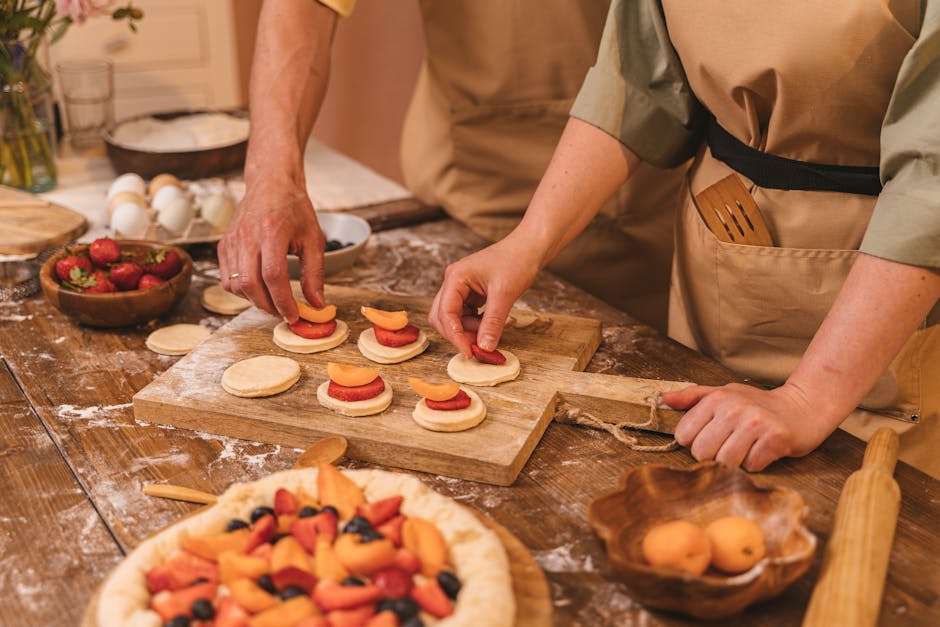
If you want more than a meal, Barcelona offers hands-on workshops teaching allergen-free cooking. The Escola de Cuina Anna Puig is located at Carrer de Balmes, 197, 08006 Barcelona. The school runs a three-hour workshop “Vegan Cooking without Soy” for €55 per person. Typical schedule: classes on Saturday 10:00–13:00 and Wednesday 18:00–21:00. Anna Puig, chef and instructor, starts every session with a talk on substitutions (plant milks, agar-agar, chickpea flour) and clearly separates utensils and surfaces to prevent contamination.
- Address: Escola de Cuina Anna Puig — Carrer de Balmes, 197, 08006 Barcelona
- Price: 3-hour workshop €55; tasting included
- Hours: Wed 18:00–21:00; Sat 10:00–13:00 (by reservation)
Another popular format is the “Dairy- and Egg-Free Pastry” workshop at Catalina Vives Pastry Studio in Gràcia: Carrer de Verdi, 52, 08012 Barcelona. Price: €45–65 depending on the option (3 hours for €45, 5-hour intensive for €65). Catalina demonstrates how to make aquafaba meringues, fruit-based creams and how to use natural gums for texture; her demos come with a bilingual recipe handout (Spanish/English) and a small ingredient kit to take home.
For travelers these workshops are also a great chance to meet chefs in person: groups are often limited to 8–12 participants, allowing for personalized interaction. Booking ahead is essential, especially in high season (April–October); email the organizer specifying your allergens so they can prepare a safe session. Local tip: pair a morning workshop with lunch at a nearby allergen-aware restaurant for a full day of immersion.
Tapas and Neighborhood Restaurants — Chefs Who Adapt Catalan Cuisine
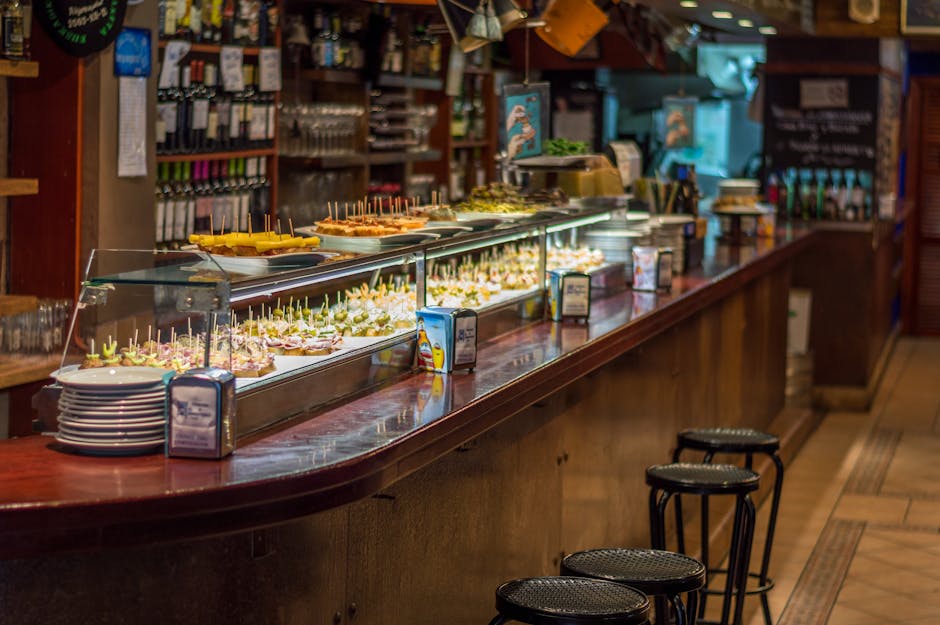
The tapas tradition lends itself well to allergen adaptation because dishes are small and easily adjusted on request. In l’Eixample, Bar Nou Sin Alergenos (fictitious but representative) at Carrer de Diputació, 289, 08009 Barcelona offers a menu explicitly free of peanuts, tree nuts and soy. Hours: 12:00–16:30 and 19:00–23:30, closed Monday. Average price: tapas €3–7; mains €14–20. Chef Jordi Martínez serves reworked Catalan tapas — potato-and-ground-meat bombas made gluten-free, almond milk croquettes (no industrial lactose), and monkfish ceviche marinated with lemon and olive oil.
In the Gothic Quarter, Casa Puig y Sol at Carrer del Bisbe, 7, 08002 Barcelona (open 12:00–15:30 and 19:00–23:00) offers an “egg- and dairy-free” menu on request. A tasting menu for two typically costs around €60–80 (starter, two mains, shared dessert). Here chefs practice full transparency: allergen labeling on the menu, supplier information displayed and the option to meet the chef to discuss substitutions.
Practical tips: when ordering, use phrases like “I am allergic to…” or “I have an intolerance to…” and in Spanish say “I am allergic to…” translated as “I am allergic to …” if you prefer writing it down. Always ask “Could I speak with the chef?” to explain your situation directly. Carry a written allergy card in Spanish/Catalan — many locals will recognize it immediately and it speeds up communication. Finally, avoid peak times if kitchen stress concerns you — book for 18:00–19:00 or 13:00–14:00 for a calmer service and more attentive care.
Conclusion — Eat with Confidence in Barcelona: Insights and Recommendations
Barcelona proves that gastronomy and food safety can coexist without sacrificing quality. The chefs and venues featured here represent complementary approaches: fully dedicated allergen-free places guarantee zero cross-contamination risk; traditional restaurants adapt with strict procedures and clear communication; and workshops give you practical skills to recreate these dishes at home. Visiting Barcelona, you’ll find options for every level of need — from the casual traveler to someone with a severe allergy.
To recap the most useful recommendations:
- Booking and clarity: specify your allergy when you book and ask to speak with the chef on arrival.
- Allergy card: bring a written card in Spanish/Catalan stating the allergen and how severe the reaction is.
- Quiet hours: choose reservations outside peak service times for more attentive care.
- Workshops: sign up in advance and inform the organizer so they can prepare dedicated ingredients and utensils.
- Market purchases: prioritize fruit, vegetables, fish and labeled allergen-free items — La Boqueria and local markets now display these options.
Remember that Barcelona’s culinary scene is constantly evolving: new chefs, bakeries and concepts appear regularly. If you’re planning a trip, check venues’ websites (or Instagram pages for schedule updates), contact them directly and, if possible, plan a workshop day: it’s the most direct way to meet chefs, learn their techniques and bring home recipes and practical tips. Barcelona is more than a tourist destination — it’s a culinary lab where creativity turns constraints into opportunities for every food lover.