





Introduction — Why pick neighborhoods that mix beach and city in Barcelona
Barcelona is one of those rare cities where the sea and the urban fabric meet in perfect harmony: modernist boulevards, medieval alleys, lively plazas and long stretches of golden sand. For travelers who want to combine lazy beach days with cultural discovery, choosing the right neighborhood is crucial. Coastal areas like La Barceloneta, Vila Olímpica, Bogatell or Poblenou give you direct beach access while keeping you just a few metro stops from the city’s top cultural and culinary attractions. By contrast, more central districts such as El Born or the Eixample let you enjoy vibrant neighborhood life, museums and upscale restaurants while still being within reasonable reach of the sea.
This article is a practical, professional guide for travelers looking to make the most of both beach and city life. You’ll find vivid neighborhood descriptions, must-see spots, exact addresses (cafés, restaurants, museums, beaches), concrete info on opening hours and prices in euros, plus local tips to get the best out of the area depending on the season. Sections cover daytime and nightlife vibes, transport, and recommendations for families, couples or solo travelers. Suggestions are grounded in practical realities: accessibility, nightlife, beach safety, useful services (showers, sunbed rentals), and the best times to avoid crowds.
Beyond practical details, each neighborhood is presented with a sensory perspective: the sound of waves at dawn, the smell of fresh fish at the harbor, the golden light on modernist facades at sunset. This guide also gives precise places to settle in — morning cafés, seafood restaurants, tapas bars, green spaces and museums — with full addresses and price ranges. Lastly, local tips, often missing from mainstream guides, will help you dodge tourist traps (overpriced tourist restaurants, overcrowded beaches) and enjoy an authentic Barcelona experience that balances beach and city.
La Barceloneta: iconic beach and maritime atmosphere
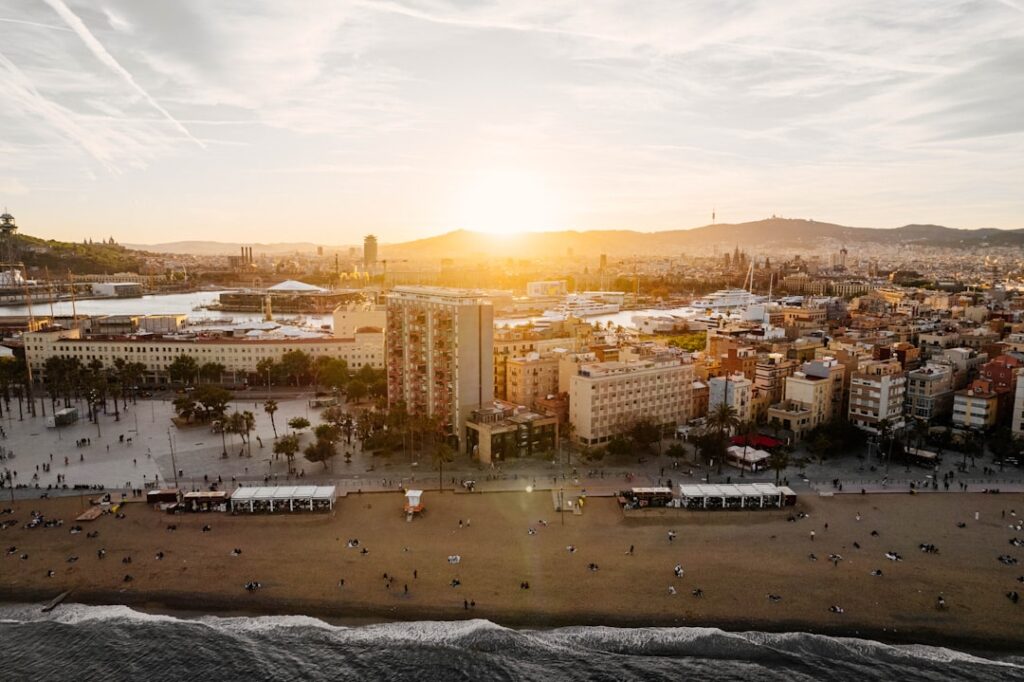
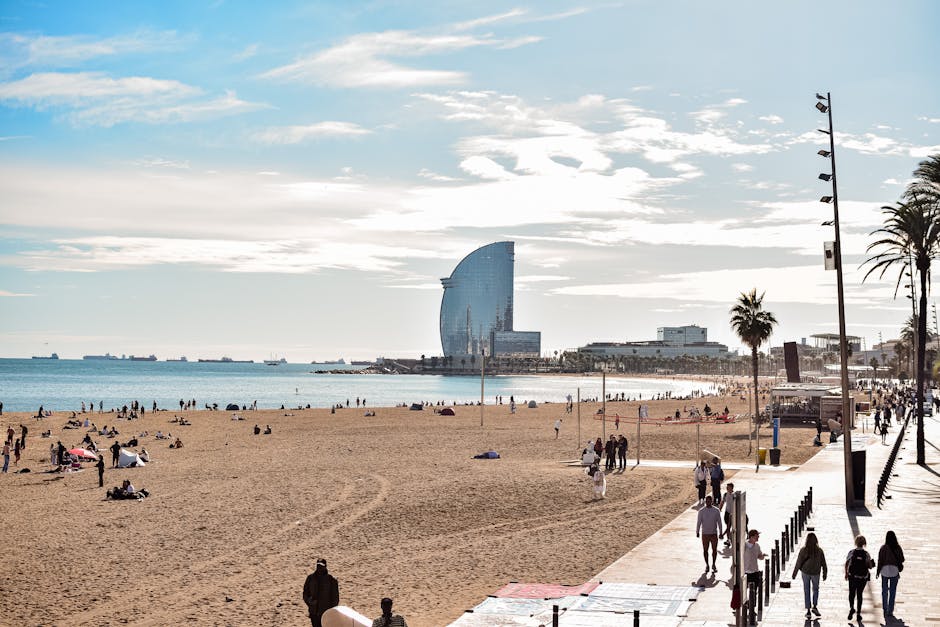
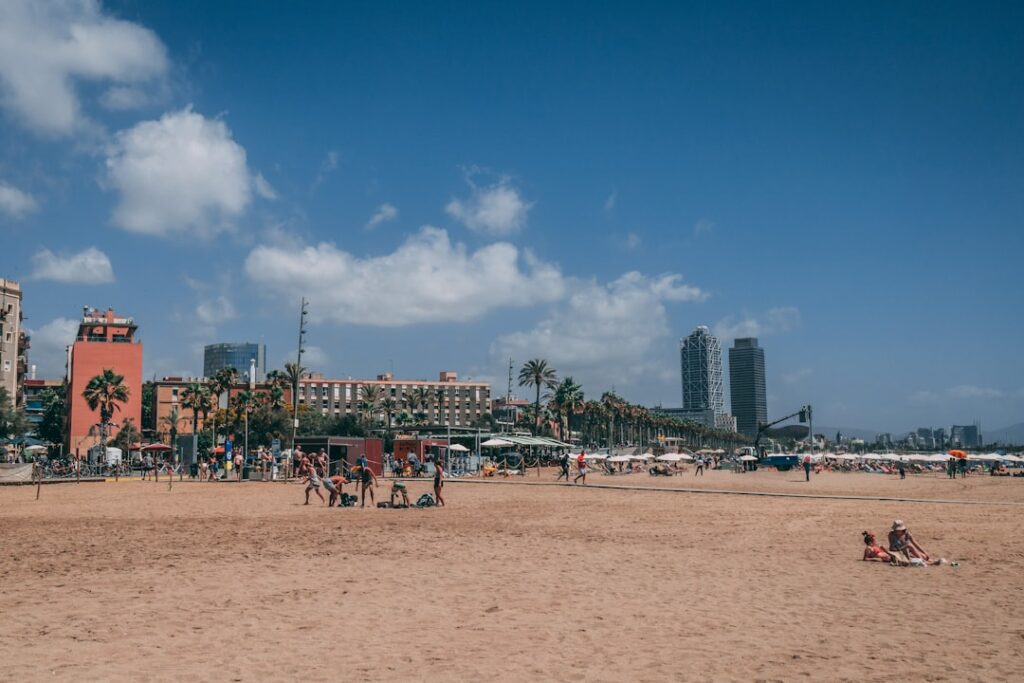
La Barceloneta is the neighborhood that embodies Barcelona’s historic connection to the sea. A former fishing quarter, it still has a port-like feel with narrow streets, popular squares and seafood restaurants. The heart of the area is Platja de la Barceloneta (Passeig Marítim de la Barceloneta, 16, 08003 Barcelona), a busy beach thanks to its proximity to the old town. It’s directly accessible from Barceloneta metro station (L4), and the seafront is pleasant for walking and cycling.
What to do and see:
- Beach — Platja de la Barceloneta: free showers, lifeguard posts in season (May–Sept). Sunbeds and umbrellas can be rented from local providers: around €10–18 for a half-day depending on the period.
- Restaurants — Can Majó (Carrer de l’Almirall Aixada, 23, 08003 Barcelona). Specialties: arroz caldoso and seafood paella. Average prices: €18–35 per person. Hours: 13:00–23:00; closed some Sundays off-season.
- Barceloneta Market — Mercat de la Barceloneta (Plaça de la Font, s/n, 08003). Small local market for fresh produce; typical hours: 08:00–14:00, Tuesday to Sunday.
Vibe and local tips: mornings are perfect for running or practicing yoga at sunrise. On weekdays outside high season (October–May) you’ll often find plenty of space even on the main beach. Nightlife buzzes around tapas bars and chiringuitos (beach bars). To escape the most touristy spots, head up toward Plaça de la Barceloneta (Carrer de Sant Carles) and explore the side streets where small local bars hide. Watch out for pickpockets in summer: keep valuables secure, especially along the seafront after dark.
Vila Olímpica and Platja de la Nova Icària: quieter beaches and sporty nightlife
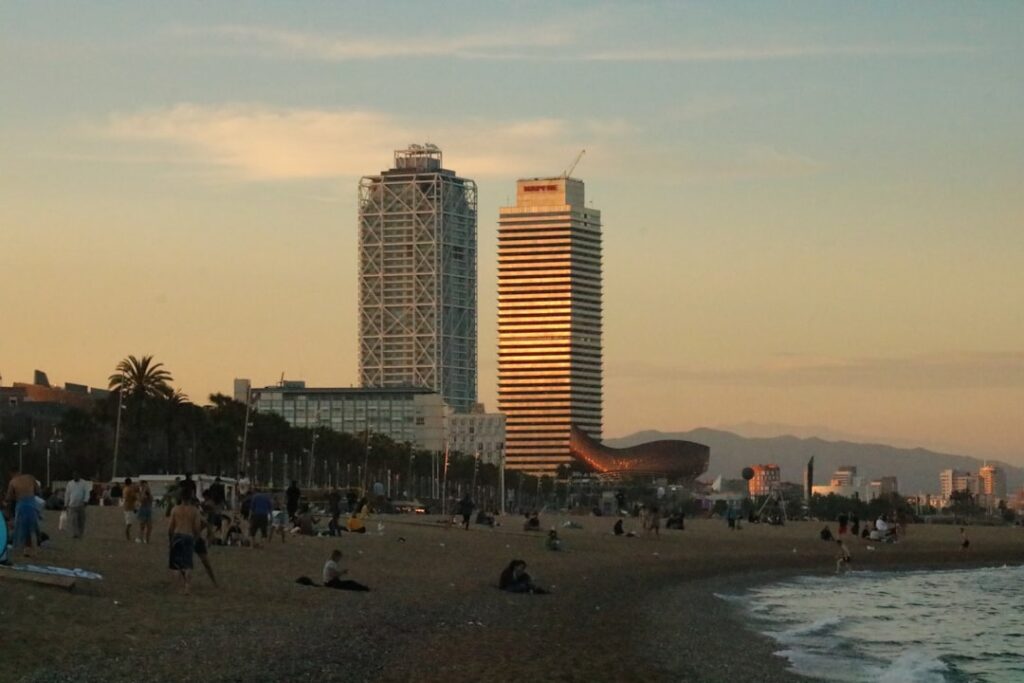
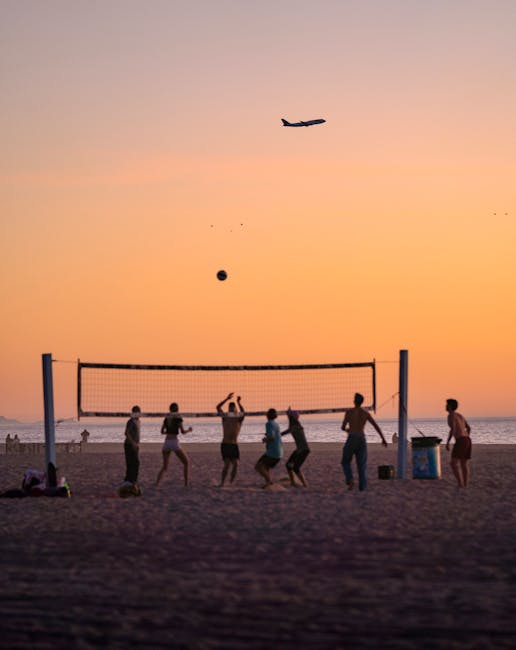
Vila Olímpica was redeveloped for the 1992 Olympic Games and today features modern infrastructure, residential blocks and calmer beaches like Platja de la Nova Icària (Passeig Marítim de la Nova Icària, 08005 Barcelona). This area is popular with families and sports enthusiasts: bike lanes, beach-volleyball courts, and a cleaner, better-organized seafront than some central beaches.
Highlights:
- Platja de la Nova Icària — access via Carrer de Ramon Trias Fargas. Services: showers, public toilets, lifeguard post in high season. Paddleboard and kayak rentals: about €15–30 per hour depending on the operator.
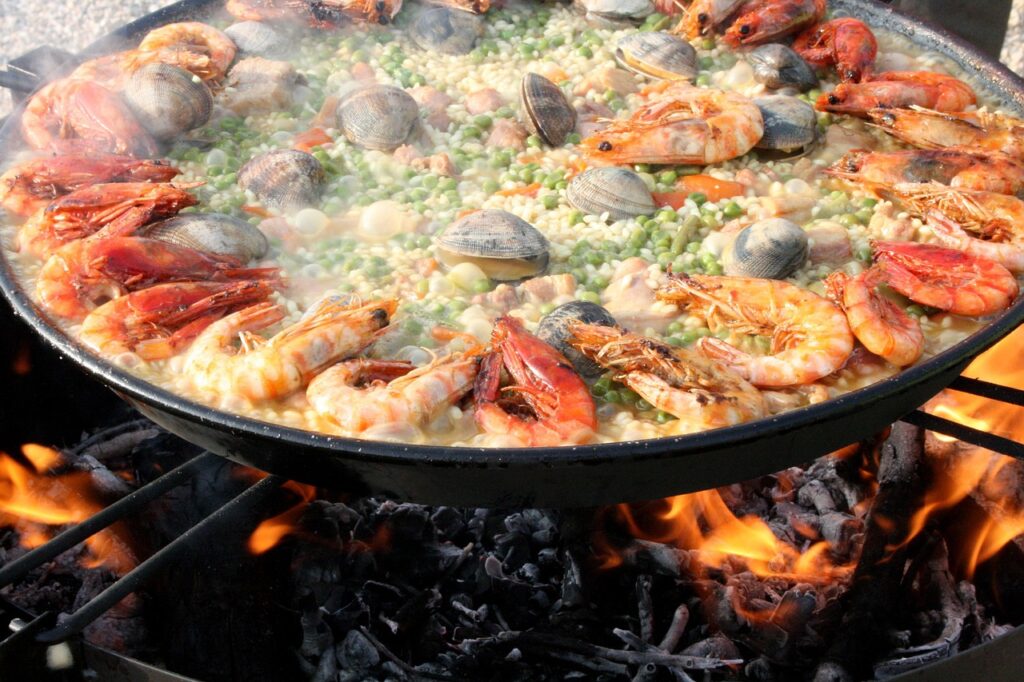
- Restaurants and bars — Xiringuito Escribà (Passeig de Joan de Borbó, 78–80, 08039 Barcelona) is famous for its paellas and lively nights. Indicative price: €20–40 per person. Hours: 12:00–23:30, staying open later in summer.
- Transport — Ciutadella-Vila Olímpica metro station (L4) or nearby tram lines TRAM T4 / T6 depending on your starting point.
Vibe: by day Nova Icària attracts joggers and families; by night the area livens up with bars along the passeig marítim. If you want a beach less crowded than Barceloneta, Nova Icària and nearby Platja de Bogatell (Avinguda Litoral, 08005) are excellent options. For a memorable sunset, stroll the Passeig Marítim and stop for a drink by the water.
Practical tips: in summer, book weekend reservations for popular restaurants. Buses 36 and 141 serve the seafront from the center; cycling is often the quickest way to link Vila Olímpica with El Born or Ciutadella Park. For a local experience, choose small tapas bars hidden in the inner streets rather than those on the seafront for better prices.
El Born and La Ribera: culture, gastronomy and quick beach access
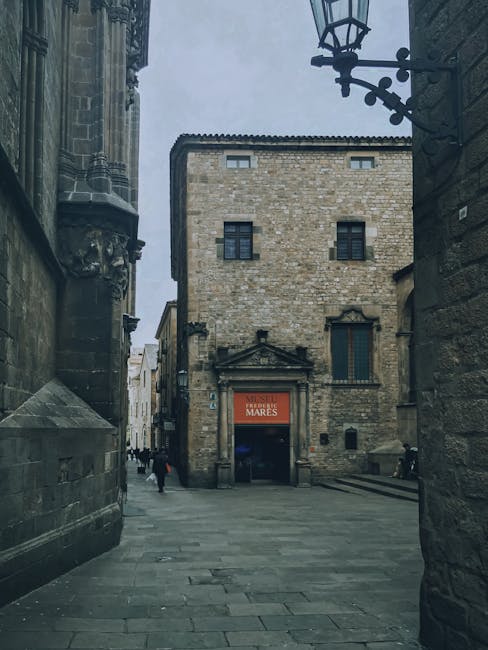
El Born (La Ribera) is a historic, trendy neighborhood ideal for those who want to combine cultural visits with afternoon beach trips. Nestled between Ciutadella Park and the waterfront, this area offers artisan cafés, designer shops and quality museums. The short distance from El Born to the beach makes it a perfect base for switching between city and sea in minutes by foot or bike.
Must-see spots:
- Museu Picasso — Carrer Montcada, 15-23, 08003 Barcelona. Indicative price: full ticket €12 if purchased online; reduced €7 for certain groups. Hours: 10:00–19:00 (seasonal variations), closed Mondays. Booking recommended.
- Palau de la Música Catalana — C/ Palau de la Música, 4-6, 08003 Barcelona. Guided tours: around €20; concerts vary (€20–€120 depending on seat and performer). Box office hours: 09:00–15:30; check the concert calendar.
- Restaurants — Cal Pep (Plaça de les Olles, 8, 08003 Barcelona): famous tapas, expect queues. Average price: €25–45 per person. Hours: 13:00–16:00, 20:30–23:00; closed Monday evenings and some Tuesday lunchtimes depending on season.
Vibe: El Born is perfect for wandering. Start at the Museu Picasso, walk across Plaça de la Catedral to Ciutadella Park (Passeig de Picasso, 21, 08003 Barcelona) — a green lung with a boating lake — then head down to the beach on foot in 15–20 minutes. In the evening, the alleys fill with musicians and wine bars. To avoid the tourist crowds, stick to streets perpendicular to Carrer de la Princesa or explore the covered market Mercado del Born, which often hosts temporary exhibitions.
Local tips: take lunch early (13:00) or late (15:00) to dodge long lines at Cal Pep. Buy Museu Picasso tickets online with a time slot to skip waiting. For beach trips, bike rentals (public Bicing for residents or tourist bikes for half-day ~€8–15) are a quick, practical option.
Poblenou: residential balance, quiet beaches and innovation
Poblenou strikes a successful balance between residential neighborhood life, converted industrial wastelands and a long coastline stretching north. Here you’ll find calmer beaches like Platja del Bogatell and neighborhoods with more breathing room than the historic center. Poblenou is also known for its creative scene and coworking cafés — perfect for travelers who want to mix work, beach downtime and urban exploration.
What to discover:
- Platja del Bogatell — Avinguda del Litoral, 08005 Barcelona. Good sports facilities (tracks, volleyball courts), lifeguard posts in summer. Areas with showers and public toilets. Bike and kayak rentals along the promenade: €10–25 per hour.
- Palo Alto Market (occasional event) — Gardens and former factories (main address: Carrer de Badajoz, 1, 08018 Barcelona for editions). A creators’ market / street food; entry fees vary (generally €3–10), sessions take place selected weekends.
- Restaurants — Els Pescadors (Plaça de Prim, 1, 08005 Barcelona): traditional Catalan seafood cuisine. Average price: €25–40 per person. Hours: 13:00–16:00, 20:00–23:00; closed some Sunday evenings.
Vibe: Poblenou combines calm beach mornings with evenings where local creativity shows up in bars and cultural spaces. The 22@ tech and innovation district adds a contemporary layer to a formerly industrial area, creating a mix of entrepreneurs, galleries and trendy cafés. Families appreciate Bogatell for its space and facilities; younger travelers like Poblenou for its less touristy and more affordable options.
Practical tips: if you stay in Poblenou, bike the coastline to reach the center (allow 20–30 minutes from most points). Trams (T4) and the metro (L4) serve the neighborhood well. Call ahead to reserve popular restaurants at weekends; prices here are often more reasonable than in the city center. Also, take advantage of local markets (Mercat de Provençals) to cook if you’re in an apartment.
Conclusion — Choose by your pace: final tips for a great stay
Barcelona offers several faces: the festive crowds of La Barceloneta, the sporty calm of Vila Olímpica and Nova Icària, the cultural and bohemian air of El Born, and the residential, creative spirit of Poblenou. Which neighborhood you choose will depend first and foremost on your priorities. If you want to be in the middle of the sea buzz, La Barceloneta is a must. For quieter beaches and a modern vibe, Vila Olímpica and Bogatell are better choices. If your trip centers on culture, gastronomy and urban strolls, El Born is ideal — and still within a short walk of the beaches. Finally, Poblenou appeals to those seeking a mix of tranquility, spacious beaches and local life with a contemporary edge.
A few practical recommendations to optimize your stay:
- Book ahead: museums (Museu Picasso), popular restaurants (Can Majó, Cal Pep) and some chiringuitos require reservations in high season. Online tickets often save time.
- Transport: the T-casual card (10 trips) or T-usual (unlimited) is recommended depending on trip length; cycling and walking remain the best ways to link beach and center while enjoying the scenery.
- Safety and comfort: on beaches, use supervised zones, avoid displaying valuables, and check lifeguard hours (generally active May–September, roughly 10:00–19:00 depending on the beach).
- Best time: May–June and September–October offer a good balance between pleasant weather and fewer crowds; July–August is high season and beaches/terraces get very busy.
Ultimately, Barcelona is perfectly suited to a hybrid experience: enjoy the Mediterranean shore in the morning and explore urban treasures in the afternoon. Whether you love tapas, modernist architecture, long bike rides, or evenings by the sea, planning your stay around the neighborhood that matches your vibe will help you make the most of this unique city. Take into account the addresses and opening times in this guide, adapt your bookings to the season, and let yourself be carried away by the sensory variety that makes Barcelona an unmatched destination.