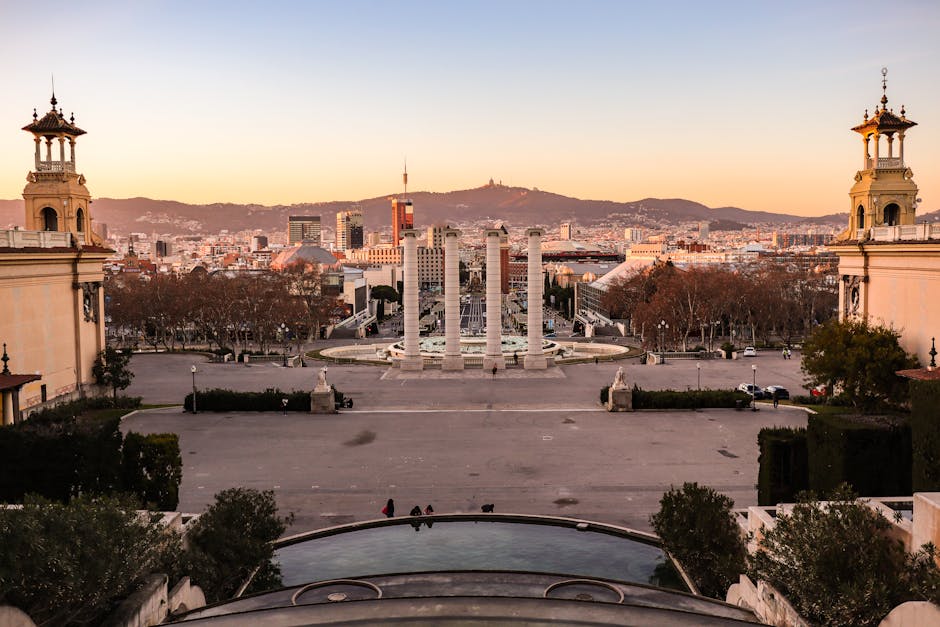






Introduction — Why 2026 Is a Turning Point for Ticketing in Barcelona
Barcelona, a sprawling Mediterranean metropolis and a tourist magnet, began a major overhaul of its ticketing ecosystem in 2026, aiming to blend smoother flows, sustainability and more immersive experiences. After years of digital trials and mounting pressure to manage visitor flows at iconic sites like the Basílica de la Sagrada Família and Park Güell, local authorities, cultural operators and mobility companies rolled out a set of practical and regulatory innovations.
This general guide, written for both travelers and curious locals, lays out the key ticketing updates you need to know to plan a trip or daily life in Barcelona in 2026. We cover new tourist passes, full integration of public-transport ticketing with major cultural sites, dynamic pricing rules, “green” tickets that favor low-impact mobility, and changes to access procedures (QR codes, NFC, optional biometrics). Each section gives exact addresses, price ranges in euros, usual opening times and local tips to skip lines and make your budget stretch further.
You’ll also find practical recommendations: where to buy, how to bundle tickets to save, which time slots to favor, and how to get the most out of new mobile features and onsite validation kiosks. City officials have focused on protecting heritage and reducing overtourism; as a result, many popular places now apply hourly quotas and variable rates based on demand. Knowing how these mechanisms work will help you avoid disappointment and enjoy a calmer, better-organized and more responsible Barcelona.
Finally, this guide gives precise addresses and up-to-date opening hours so you can plan your visits down to the minute. It also includes visual cues to help you picture the sites as you read. Whether you’re here for a weekend or several months, this overview of ticketing updates in 2026 will help you make the most of the city.
1) New Tourist Passes and a Reshuffle of Offers (Barcelona Card, Hola Barcelona, Integrated Culture Pass)
In 2026, tourist passes were substantially reorganized to meet the needs of a hybrid audience—short-stay visitors and long-stay guests—and to encourage more sustainable choices. Three offers now dominate the market:
- Integrated Culture Pass — launched by Barcelona Turisme in partnership with major museums: Museu Nacional d’Art de Catalunya (MNAC), Museu Picasso, Centre de Cultura Contemporània de Barcelona (CCCB), and Fundació Joan Miró. The 48-hour pass costs €49, 72 hours €64. It includes a timed entry to the Sagrada Família (standard levels) and discounts on temporary exhibitions. Purchase is online only and pickup isn’t required—the pass is digital (QR/NFC); support point: Oficina de Turisme Barcelona, Plaça de Catalunya, 17, 08002 Barcelona. Opening hours: 09:00–20:00.
- Hola Barcelona Mobility+ — an update to the familiar Hola/Hello pass: now includes metro, TMB buses, tram and two return trips on the Aerobús. Prices: 48 hours €22, 72 hours €30, 96 hours €37. Available via the TMB App (iOS/Android) and at ticket machines in main stations such as Estació de Sants and Plaça de Catalunya. Estació de Sants address: Plaça dels Països Catalans, 1, 08014 Barcelona. Validations are done by QR code and NFC; you can link the pass to a bank card for direct validation.
- Barcelona Card 2026 (Environmental edition) — the Barcelona Card keeps its all-in-one offering but adds a new “Green Edition” option that includes limited unlimited use of the municipal bike system Bicing and vouchers for guided walking tours. Prices: 24 hours €24, 48 hours €32, 72 hours €44. Sales and pickup point: Turisme de Barcelona, Passeig de Gràcia, 2-4, 08007 Barcelona. Hours: 10:00–19:00.
Practical tip: if you plan to visit 2–3 major museums and rely heavily on public transport, the Integrated Culture Pass together with a 48h Hola Barcelona Mobility+ is usually cheaper than buying separate tickets. Buy in advance (48–72 hours) to secure preferred time slots and avoid the dynamic pricing increases applied at the busiest sites.

2) Access to Iconic Monuments: Sagrada Família, Park Güell, Casa Batlló — Quotas and Dynamic Pricing
Barcelona’s signature sites adopted flow-management strategies in 2026 that combine hourly quotas, mandatory reservations and dynamic pricing. Here are the essentials for the main monuments:
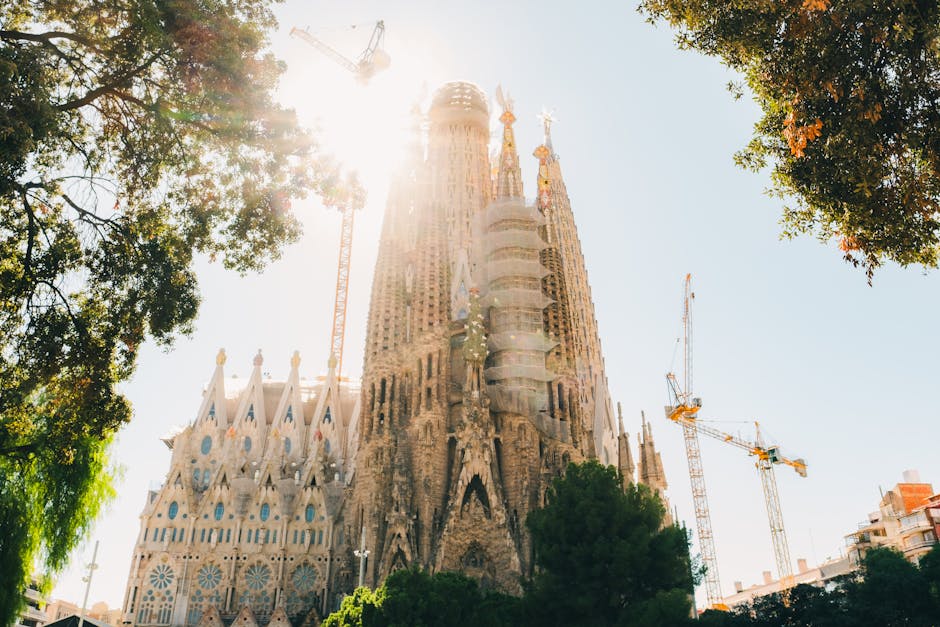
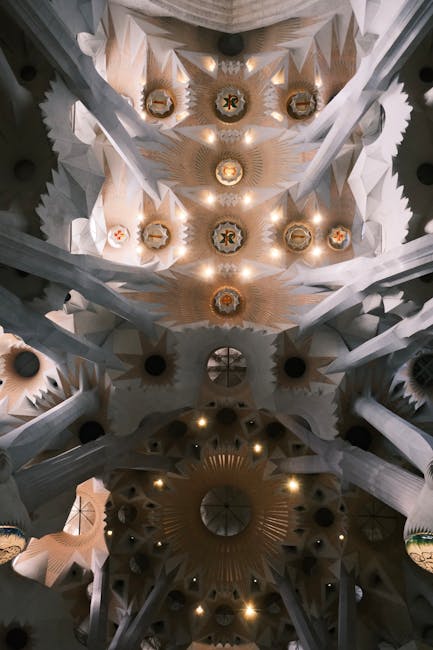
- Basílica de la Sagrada Família — address: Carrer de Mallorca, 401, 08013 Barcelona. General hours 2026: 09:00–18:30 (seasonal variations; closed 25 December and 1 January). Tickets: standard with audio guide from €30 (off-peak) to €42 (peak times). Visits including tower access: €50–€62 depending on slot. Timed reservation is mandatory; entry only with a mobile QR code or printed ticket. New: priority queue for Integrated Culture Pass holders, but slots are limited. Physical ticket office: Carrer de la Marina, 1-3 (adjacent office), open 08:00–19:00.
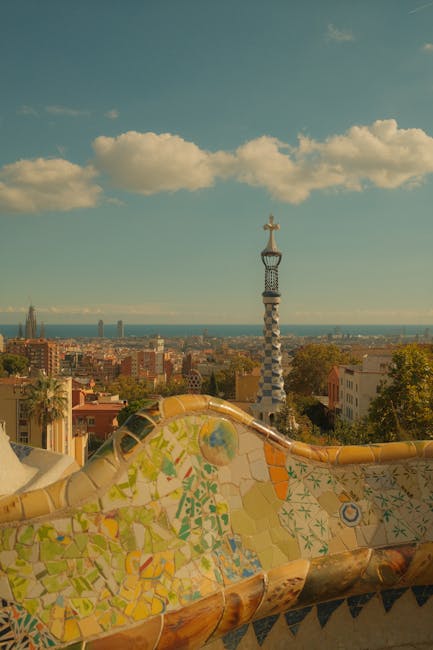
- Park Güell — address: Carrer d’Olot, 5, 08024 Barcelona. Hours 2026: 09:30–19:30 (high season), controlled access points. Tickets: monumental zone standard online entry €12, €14 at the machine if available. New: “green early” slots (€8) for visitors arriving by bike or on foot, validated via the municipal app “Barcelona Green.” Audio-guided visits: +€4. Tip: aim for 09:30–11:00 or after 17:00 for softer light and fewer people.
- Casa Batlló — address: Passeig de Gràcia, 43, 08007 Barcelona. Hours 2026: 09:00–21:00. Tickets: standard Experience (self-guided) from €30, “Batlló Sky & Night” (roof access + immersive projection) €45–€55 depending on time. Dynamic pricing applies: evening slots get pricier (up to +25% on weekends). Physical ticket shop and collection: Passeig de Gràcia 43, ticket boutique open 09:00–20:00.
Local tip: for Sagrada Família and Park Güell, booking an early morning slot helps you avoid heat and crowds; for Casa Batlló, late-afternoon visits deliver a theatrical vibe thanks to the lighting. If you prefer spontaneity, know that most sites keep a small allocation of tickets for onsite sale, but expect waits or higher prices.
3) Transport and Integrated Ticketing: TMB, Renfe Cercanías, Aerobús and Bicing
Mobility in Barcelona became smoother thanks to deep ticketing integration in 2026. Main operator TMB (Transports Metropolitans de Barcelona) finalized integration of tourist passes with Renfe Cercanías (suburban trains) and private services like Aerobús. Here’s what that means in practice:
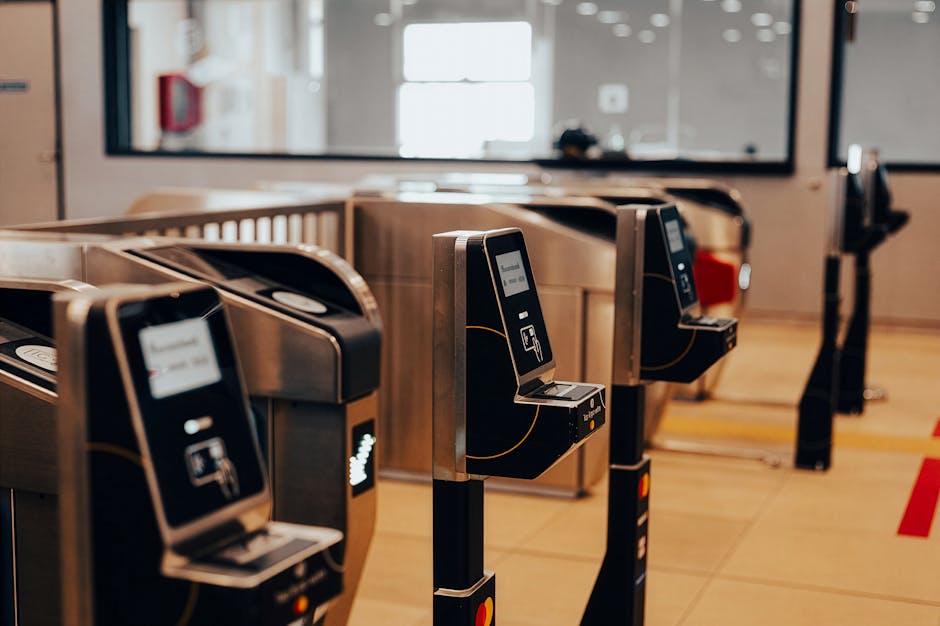
- Single tickets and fares — single metro/bus fare: €2.50 for a single validation (zone 1). The validation system is multi-platform: contactless bank card, smartphone (Wallet/Google Pay), or QR code from the TMB App. Machines are in all major stations, notably Estació de Sants (Plaça dels Països Catalans, 1), Passeig de Gràcia (Passeig de Gràcia, 60), and Plaça de Catalunya (Plaça de Catalunya, s/n).
- Hola Barcelona Mobility+ — detailed above, now includes two return Aerobús trips (A1/A2) to Josep Tarradellas Barcelona–El Prat Airport. Aerobús departs from Plaça de Catalunya (Plaça de Catalunya, s/n) every 10–15 minutes; journey time ~35 minutes; single fare if bought separately €6.90 per trip.
- Renfe Cercanías Integration — some intercity trips (zone 1) are included in Hola Barcelona Mobility+, allowing, for example, affordable day trips to Sitges or Castelldefels (check zones and restrictions). Important station: Estació de França, Plaça de l’Àngel, s/n, 08003 Barcelona (hours vary by line).
- Bicing and micromobility — the Bicing bike-share now includes a credit of 2 free hours per day for holders of the Barcelona Card Green Edition. Registration via the Bicing app is required; stations are widespread across the Eixample and historic center. Prices for non-subscribers: short trips start at €1.10 per 30-minute ride.
Practical tips: enable automatic NFC validation on your phone before arriving at a station to save time. For airport transfers, Aerobús remains the most convenient option with stops at Plaça de Catalunya and Gran Via, but the Renfe R2 train drops you at Estació de Sants and may be cheaper if you have a pass that includes Renfe.
4) Digital Ticketing, Security and Innovations (QR, NFC, Optional Biometrics)
2026 confirms Barcelona’s full digital transition in ticketing. Paper tickets are gradually disappearing in favor of secure, convenient digital solutions. Here are the main innovations you’ll encounter:
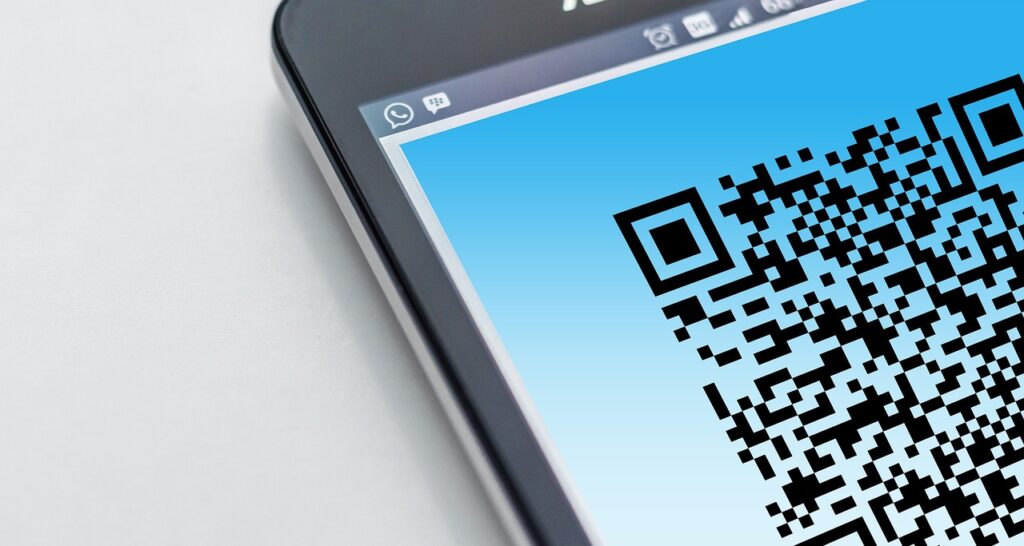
- Dynamic QR codes — most tourist and monument tickets are now issued as dynamic QR codes, valid only for the reserved slot and sometimes linked to an ID. These QR codes are scanned at turnstiles and handheld scanners. Printing isn’t required, but keep a screenshot in case you lose connection.
- NFC and Wallet integration — Hola Barcelona passes and certain museum tickets can be added directly to Apple Wallet and Google Wallet for seamless contactless entry. TMB machines and museum turnstiles are NFC-compatible. To activate, update your OS and enable contactless payments.
- Optional biometrics — some venues (notably temporary exhibition centers and private events) offer optional biometric (facial recognition) entry for ultra-fast access; this is voluntary and requires explicit consent with limited data retention. Biometrics give access to “Lanes Plus” but are entirely optional.
- Security and refunds — clear policies: most digital tickets allow partial refunds up to 48 hours before the visit; late cancellations reduce refunds (often down to 30% for non-refundable tickets). Save confirmation emails; customer support is available at official points like Oficina de Turisme Barcelona, Plaça de Catalunya, 17.
Technical tips: before you travel, install and set up the TMB App, the Sagrada Família app (or Integrated Culture Pass app), and your Wallets. Test NFC reading/ticket validation at a less busy station to make sure your phone is configured correctly. If you travel in a group, centralize tickets in one app to simplify validation.
5) Eco-Responsible Tickets, Local Discounts and Municipal Regulations
In 2026, the City of Barcelona stepped up measures to promote sustainable tourism. Initiatives include incentive pricing, quotas to reduce saturation and offers specifically for residents. Here’s what to know:
- Green & Resident fares — several sites now offer discounted rates for Generalitat de Catalunya residents or holders of a municipal Resident Certificate. Example: Sagrada Família has a resident rate of €12 on presentation of official ID (reserved morning slots). Park Güell offers free entry for Ajuntament de Barcelona residents (subject to prior registration).
- Eco-responsible tickets — the Barcelona Card Green Edition and some options within the Integrated Culture Pass include CO2 offsets and vouchers for low-impact transport. The goal is to encourage visitors to choose bikes, walking and public transport over motorized tourist buses. Tour bus operators now run hybrid fleets; 1-day Hop-On Hop-Off ticket: €28 adult, €16 child (3–12 years).
- Quotas and enforcement — to protect residential neighborhoods (El Born, Barri Gòtic), some streets now restrict guided tours during peak hours; licensed guides must hold a municipal permit. Unauthorized groups can be denied access or fined.
Local advice: if you’re staying longer than a week, check temporary resident rates with the Ajuntament de Barcelona—registering can save you significant money on museums and transport. To minimize your footprint, offset longer journeys through options offered by the pass or by contributing to local reforestation projects presented during ticket purchase (the city requires transparency and certification).
Conclusion — How to Make the Most of Barcelona’s Ticketing Updates in 2026
Barcelona’s 2026 ticketing updates reflect a clear goal: make the city more accessible, sustainable and enjoyable for both visitors and residents. Integration of tourist passes with transport, full digitalization via QR and NFC, dynamic pricing for peak times and the rollout of green offers all point to a focus on sustainable efficiency. To benefit from these changes, preparation is essential: buy major-site tickets (Sagrada Família, Park Güell, Casa Batlló) in advance, use combined passes (Integrated Culture Pass + Hola Barcelona Mobility+) if you have a packed itinerary, and install the official apps to avoid entry friction.
Remember that local regulations aim to protect the urban fabric and residents’ quality of life. Respect visit quotas, choose low-impact mobility (Bicing, walking, public transport) and pick off-peak time slots for a more authentic, less stressful experience. Don’t forget resident perks and reduced fares: if you have a local address or an extended stay, check with the Ajuntament de Barcelona (Carrer de Santa Creu dels Molers, 30, 08004 Barcelona for certain services) about administrative advantages.
In short, adapt your plan by mixing tickets and passes according to your priorities—culture, relaxation, food—and book early for top sites. The 2026 innovations will make your visit easier if you use the right tools (apps, Wallets, NFC validation) and follow local rules. Barcelona is ready: well prepared, you’ll fully enjoy its architectural treasures, richly staged museums and Mediterranean energy, while playing your part in more responsible tourism.