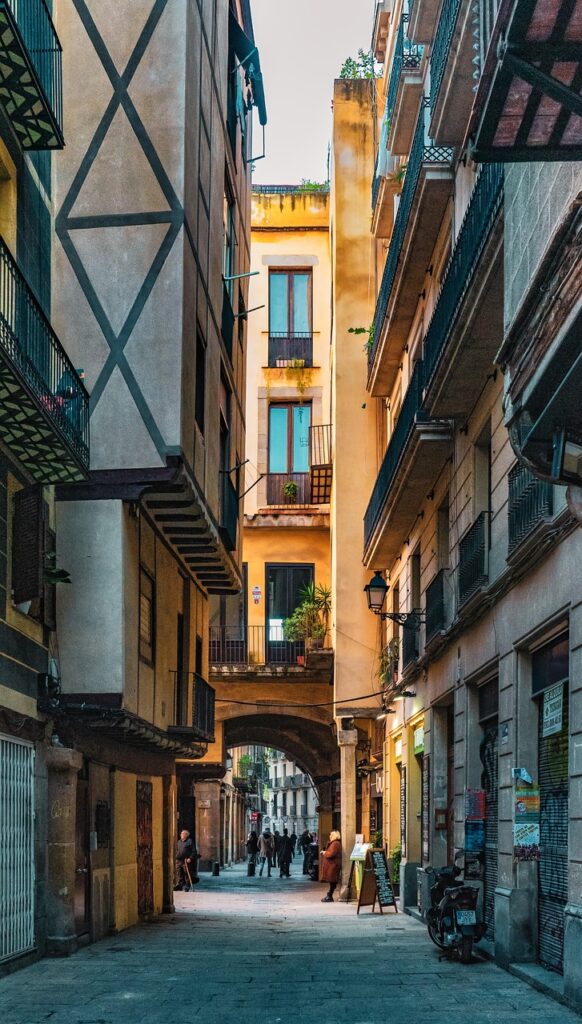






Introduction — Why you should know gluten-free labels and certifications in Barcelona
Barcelona is a city where food is lived everywhere: on the street and in dining rooms alike — historic markets, tiny tapas bars, artisan bakeries and starred restaurants. For people with celiac disease or gluten sensitivity, this culinary abundance is both an invitation and a challenge. The good news is that Barcelona, Catalonia’s gastronomic capital, now offers a wide range of gluten-free options — provided you know how to read and recognize the labels and certifications that guarantee safety and transparency.
Knowing the official marks (brands, certifications, labels) can turn an anxious meal into a relaxed experience. These labels indicate that analytical checks, production procedures and supply-chain controls are in place to limit cross-contamination with gluten. In an urban context like Barcelona, where you can move from a traditional market stall to a high-end restaurant in a few blocks, spotting these marks helps avoid unpleasant surprises.
This guide introduces the most relevant certifications and labels for eating gluten-free in Barcelona: local and national recognitions (celiac associations), international certifications commonly seen on imported products, and food-safety standards that affect allergen management. You’ll also find a selection of Barcelona venues that clearly display or explain their gluten-free practices — bakeries, cafés, restaurants and shops — with addresses, opening hours and rough price ranges. Finally, the guide offers practical tips to avoid cross-contamination, talk to staff and plan your city routes so you can enjoy Barcelona without stress.
Whether you’re passing through, newly relocated or a local wanting to explore the Catalan gluten-free scene, this guide is pragmatic: it details the acronyms to recognize, the level of protection each certification offers, and how to verify their authenticity. You’ll learn to tell the difference between simple marketing claims and official certifications issued after checks, to ask the right questions in the kitchen, and to spot places where staff are trained in gluten-related risks.
Two key points before we start: (1) the international crossed-grain symbol is a quick indicator — but it’s always better to ask for specifics about kitchen procedures; (2) many Barcelona restaurants offer gluten-free alternatives even without an official label — so stay alert. The sections below cover official labels, international and local standards, practical Barcelona examples and local tips to make the most of the city without giving up culinary pleasures.
1) National and association labels: what FACE and the Associació de Celíacs de Catalunya mean
In Spain, the primary reference for the celiac community is the Federación de Asociaciones de Celíacos de España (FACE). FACE authorizes the use of the crossed-grain symbol on products and sometimes on menus of establishments that meet strict criteria for gluten content and good practices. In Barcelona, the Associació de Celíacs de Catalunya (ACC) is the regional representative: it works with restaurants, schools and food services to train staff and provide recommendations.
What does an association like the ACC check before recommending a venue? Generally:
- Cleaning procedures and separation of production areas to avoid cross-contamination.
- Analysis of raw materials: supplier labeling and analytical checks on request.
- Staff training on allergens, dish preparation processes and customer communication.
- Availability of clearly identified dishes on the menu, with traceability of ingredients.
Example of a venue that has worked with the Associació de Celíacs: Celicioso Barcelona (100% gluten-free pâtisserie) — address and opening times listed later in the guide — is well known for following strict protocols developed in collaboration with local associations. When you see the ACC logo or the phrase “recomendado por la Associació de Celíacs de Catalunya” on a menu or window, always ask what level of certification or evaluation was performed (a visit, staff training, or analytical tests).
In practice, the ACC also publishes regularly updated lists of “suitable” establishments. These lists are valuable because they include concrete information: addresses, hours and types of dishes offered. Before heading to a restaurant, check the Associació de Celíacs de Catalunya website or contact the venue to confirm that the mention is still current.
Concrete examples and a helpful visit
If you want to see how the process works in practice, plan a visit to the Associació de Celíacs de Catalunya to get the official list of recommended establishments in Barcelona. Indicative address: Associació de Celíacs de Catalunya, Carrer de la Diputació 149, 08011 Barcelona (check for updated contact details). Their information services often offer free brochures and advice on local supermarket products.
2) International certifications and industry standards: GFCO, AENOR, ISO, BRC and IFS
Beyond association labels, many brands and imported products carry international certifications. The most commonly encountered are:
- GFCO (Gluten-Free Certification Organization) — one of the strictest programs, founded by the Gluten Intolerance Group: very low gluten thresholds, factory audits and random product testing.
- AENOR — the Spanish certification body that issues marks and certificates for “sin gluten” products and food quality systems; its presence reassures consumers about national controls.
- ISO 22000 / HACCP — these standards don’t guarantee the absence of gluten but attest to a rigorous food safety management system, which reduces the risk of cross-contamination.
- BRC (British Retail Consortium) and IFS (International Featured Standards) — standards recognized by international retailers; a factory certified to BRC/IFS has procedures to control allergens, including gluten.
How do these certifications translate to your plate in Barcelona? In supermarkets (Carrefour, Mercadona, El Corte Inglés), you’ll find “sin gluten” products that sometimes display the GFCO or AENOR logo. In restaurants, some establishments and caterers that offer gluten-free dishes display ISO or HACCP certificates: this means allergen management is integrated into their quality system, but it does not replace a specific “gluten-free” certification.
Indicative prices: an industrial bakery product certified by GFCO (e.g., pre-packaged gluten-free bread) typically costs between €3.50 and €6.00 depending on size. In a restaurant that displays a certification or works with a celiac association, expect to pay roughly €1.50 to €4.00 extra per dish to cover the costs of specialized ingredients and handling (gluten-free flours, specialty pasta, etc.).
Practical tips for verifying a certification
– Ask to see the certificate and check the issue/expiration dates. A recent certificate is a good sign.
– Find out the scope: is the certification for the product, the production line, the whole factory or the establishment?
– For dishes served in restaurants, check if the suppliers of ingredients (flour, semolina, mixes) are themselves certified.
3) Examples of Barcelona venues with gluten-free options or certifications (addresses, hours, prices)
Here’s a representative selection of places in Barcelona where gluten-free food is clearly identified. These examples show different approaches: 100% gluten-free bakeries, restaurants trained in anti-contamination procedures, and specialty shops. Hours and prices are indicative and may change; it’s wise to call ahead.
- Celicioso Barcelona — 100% gluten-free pâtisserie
Address: Carrer de la Diputació 157, 08011 Barcelona
Hours: Mon–Fri 09:00–19:30, Sat 10:00–18:00, Sun closed
Prices: breakfast (coffee + pastry) around €5.50–€8.00; whole cakes €18–€35 depending on size.
Description: a bakery focused entirely on 100% gluten-free products. Desserts are made in dedicated production areas, minimizing contamination risks. Staff are used to explaining ingredients and offering vegan alternatives. - Restaurant “La Taverna Sense Gluten” — Catalan cuisine adapted
Address: Carrer de Girona 45, 08009 Barcelona
Hours: Tue–Sun 12:30–15:30 and 19:00–23:00
Prices: main courses €12–€22; gluten-free tasting menus €28–€45.
Description: a bistro offering gluten-free versions of tapas and Catalan dishes. Regular collaboration with the Associació de Celíacs de Catalunya for staff training. Reservations recommended to detail dietary needs. - Gluten Free Market — Specialty shop and caterer
Address: Carrer de Balmes 200, 08006 Barcelona
Hours: Mon–Sat 10:00–20:00, Sun closed
Prices: dry goods €2.50–€12.00; ready-to-eat items €6.50–€12.00.
Description: a store offering a wide range of GFCO/AENOR-certified products and prepared foods. Knowledgeable staff can point out certifications on each product.
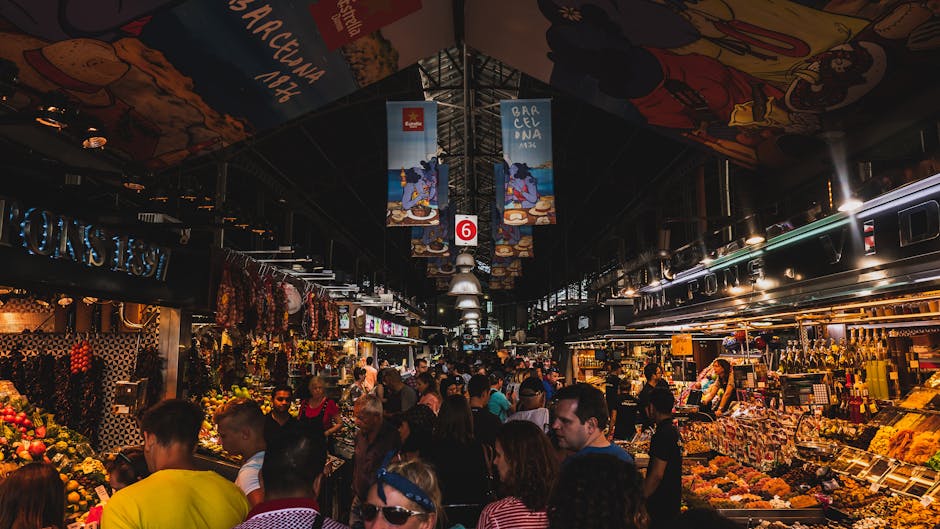
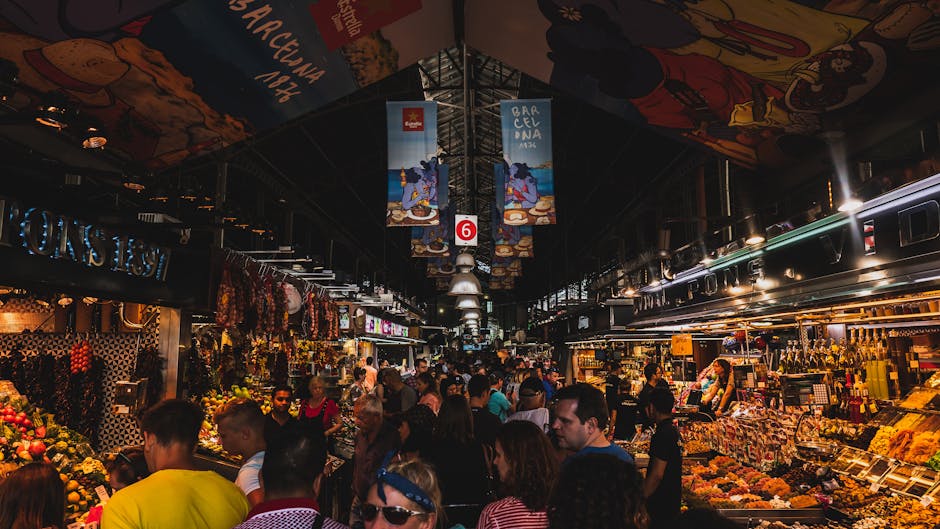
Local tip: at markets like Mercat de la Boqueria (La Rambla, 91), several stalls and small kitchens now indicate gluten-free options. If a stall doesn’t display a label, always ask the vendor where the ingredients come from and whether they also handle gluten-containing products — cross-contamination is common at busy stalls.
4) Local best practices and tips for eating gluten-free in Barcelona
No certification replaces clear communication. Here are practical, concrete tips to enjoy Barcelona safely:
- Mention it when booking: whenever possible, state “sin gluten / celíaco” when you reserve and note any history of severe reactions.
- Ask for the allergen menu: since the EU regulation came into force, many places keep allergen sheets; ask for them and read carefully.
- Check the prep area: if the kitchen is open, look for dedicated gluten-free zones (e.g., separate worktops, a separate fryer, dedicated appliances).
- Know the key words: “sin gluten”, “apto para celiacos”, “trigo / cebada / avena” (wheat / barley / oats); English is widely understood, but Catalan can help: “sense gluten”.
- Use a simple test card: bring a short allergy card in Spanish/Catalan (“Soy celíaco/estoy intolerante al gluten. Por favor, evitar contaminación cruzada.”) to show the server.
Average prices in Barcelona for a gluten-free meal: breakfast at a specialty pâtisserie €4–€9; tapas lunch €12–€22 per person; full-service dinner at a good restaurant €25–€50 per person. Supermarket “sin gluten” products are often more expensive than their gluten-containing counterparts: budget about 20–40% more.
Neighborly tip: if you’re staying in a rental (Airbnb, apartment), pick up basics at a specialty shop like Gluten Free Market or in the “sin gluten” sections of large supermarkets (El Corte Inglés Gourmet, Carrefour) to prepare snacks. In an emergency, Hospital Clínic Barcelona (Carrer de Villarroel 170) and other centers have teams familiar with celiac reactions — always keep a copy of your medical file and the location of the nearest medical center.
Conclusion — Traveling in Barcelona gluten-free: trust, vigilance and enjoyment
Eating gluten-free in Barcelona is very feasible today and often delightful. The city has adapted to growing demand: active associations (like the Associació de Celíacs de Catalunya), specialized venues (bakeries, restaurants), and the presence of national and international certifications that help consumers make informed choices. Labels such as the crossed-grain symbol authorized by celiac associations, GFCO or AENOR on products, and food-safety standards (ISO, HACCP, BRC, IFS) are all tools to ensure a safer experience.
That said, caution is still necessary: a label doesn’t eliminate the possibility of human error or an isolated mistake. That’s why clear communication about your needs, asking for details on how dishes are prepared and favoring 100% gluten-free places or those with documented procedures is essential. Spending a few minutes to check a certificate, ask a couple of questions to your server, or consult the Associació de Celíacs de Catalunya’s recommended list can turn your meal into a calm, memorable experience.
In short, combine the confidence provided by labels with active vigilance: learn to recognize the acronyms, always ask for allergen sheets, choose places trained in best practices, and use local resources (associations, specialty shops). That way you can savor tapas, pastries and Catalan dishes without sacrificing the pleasure of travel. Barcelona today is an excellent playground for gluten-free travelers — enjoy it fully, but always pay attention to the details — your health depends on them.