





Introduction — First Steps on a Bike in Barcelona’s Streets
Barcelona has firmly established the bicycle as a daily, tourist-friendly and eco-friendly mode of transport. For a beginner, cycling here means getting to grips with local traffic rules, available infrastructure and safety customs unique to the Catalan capital. This detailed guide walks you through, step by step, how to ride safely, which laws to follow, where to rent or park your bike, which routes to favor and how to avoid common pitfalls on Barcelona’s streets. The goal is to provide practical information — addresses, opening hours, prices — plus hands-on tips so you can explore the city with confidence.
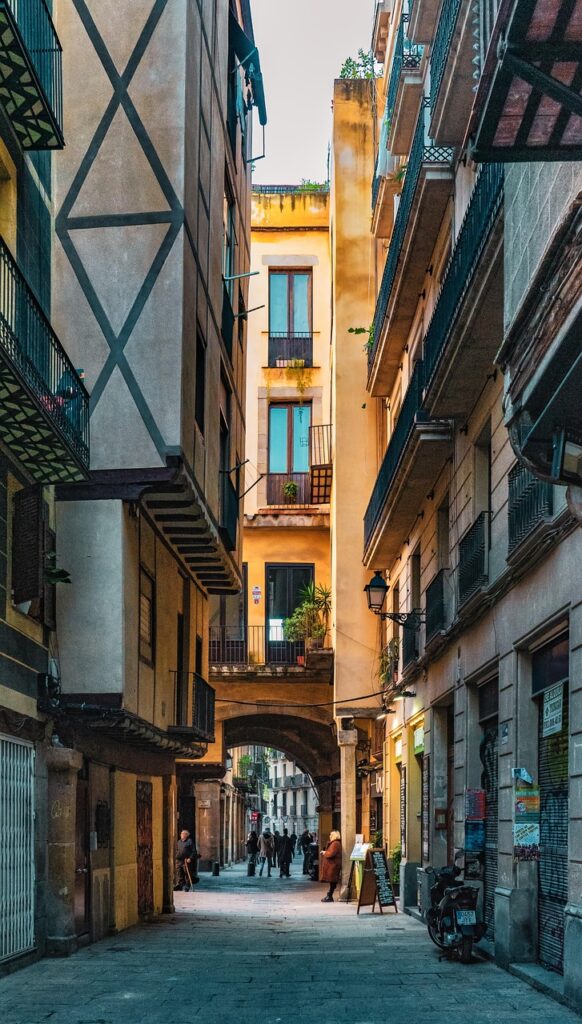
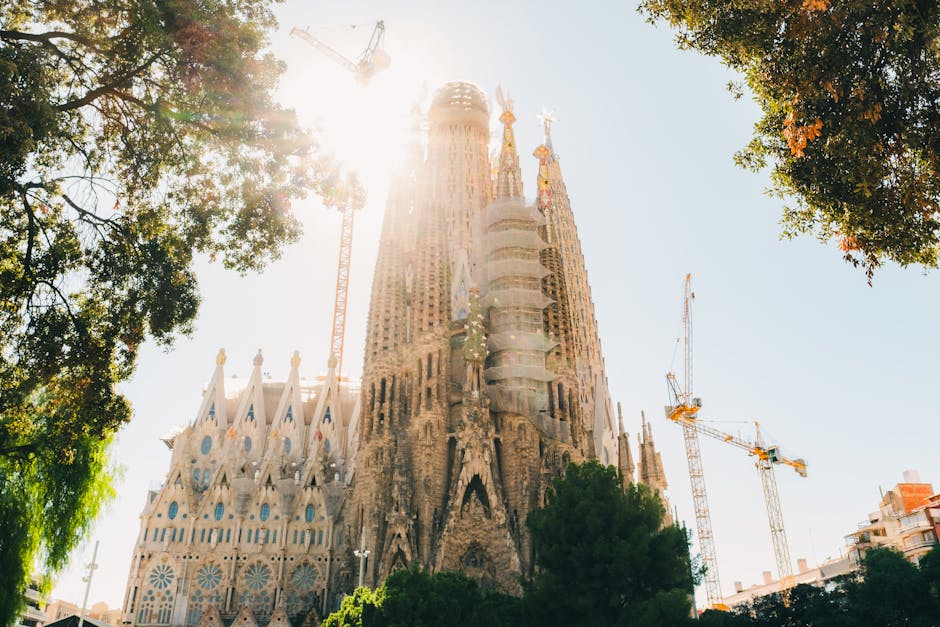
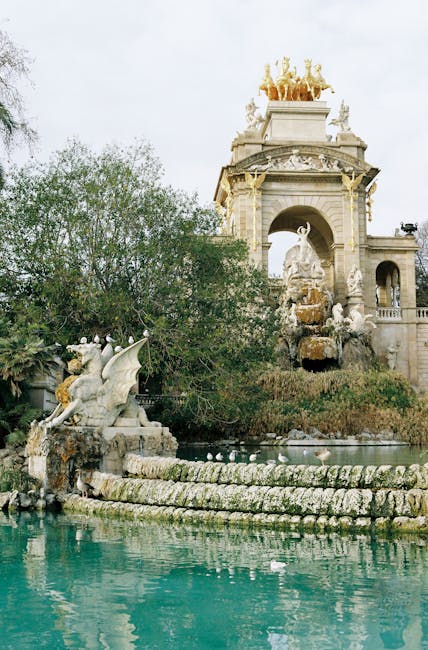
Barcelona mixes wide avenues like Passeig de Gràcia with narrow lanes in older neighborhoods such as El Born and the Barri Gòtic. Bike lanes are plentiful but varied: some are physically separated by curbs, others are just painted lanes. The Bicing network, the city’s public bike-share system, is handy for everyday trips, while private rental shops and organized tours offer half-day or full-day hires. As a beginner, it helps to know key landmarks: the Sagrada Família (Carrer de Mallorca, 401, 08013 Barcelona), Plaça de Catalunya (Plaça de Catalunya, 08002 Barcelona), Parc de la Ciutadella (Passeig de Picasso, 21, 08003 Barcelona) and Barceloneta Beach (Passeig Marítim de la Barceloneta, 08003 Barcelona).
This guide also covers regulatory points: speed limits (generally 30 km/h in residential urban areas, with 20 km/h sections in some neighborhoods), pedestrian priority, bike parking rules, when it’s allowed to use bus lanes, and mandatory equipment (lights at night, a bell, effective brakes). You’ll find recommended beginner-friendly routes, useful addresses for rentals or repairs, indicative prices in euros and helpful opening times. Local tips — like avoiding rush hour on Avinguda Diagonal or being extra cautious around markets such as La Boqueria (La Rambla, 91, 08001 Barcelona) — will help you enjoy Barcelona by bike, safely.
Basic Rules and Signs — What Every Beginner Should Know
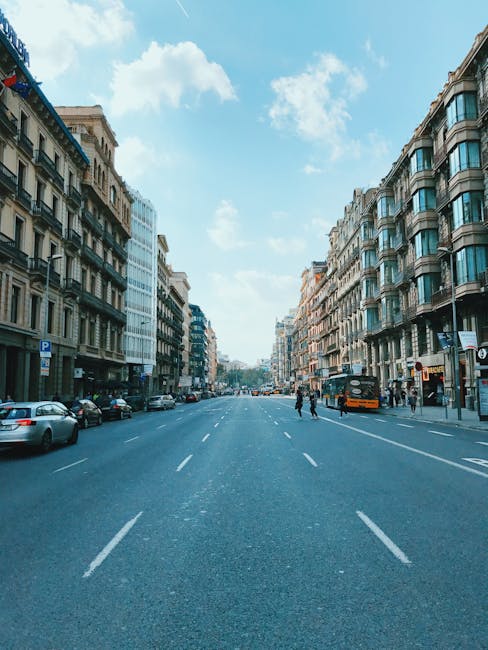
Before heading out, memorise a few essential rules. In the city, the core principle is simple: always obey traffic signs. Bicycles are classed as vehicles and must respect traffic lights, stop signs and right-of-way rules. The general maximum speed in urban areas is 30 km/h on most residential streets; certain stretches (shared spaces and pedestrian-priority streets) are limited to 20 km/h. Major avenues like Avinguda Diagonal and Passeig de Gràcia may have higher limits for motor traffic, but as a cyclist you should adapt your speed to pedestrian flows and the bike lanes.
Cycling signage is widespread: green bike lanes, painted bike strips and dedicated bike traffic lights at some junctions. Watch out for one-way streets: many one-way streets allow bikes to travel in both directions (signed « Excepto bicicletes ») — look for the « Excepto bicicletes » sign. In other cases the one-way restriction applies to bikes as well. Pedestrians have absolute priority at crossings: always stop and let them cross. Riding on sidewalks is strictly prohibited unless signage explicitly allows it.
Other obligations: equip your bike with lights to ride at night (white front light and red rear light), have at least one well-functioning brake and a bell. Helmets are not mandatory for adults (except at certain events or on specific tracks) but are strongly recommended — especially for beginners. Children under 16 must wear a helmet under local regulations. Finally, using a mobile phone while riding without a hands-free kit is forbidden: stop and park if you need to check a route.
Parking, Security and Theft — Where to Lock Up and How to Protect Your Bike
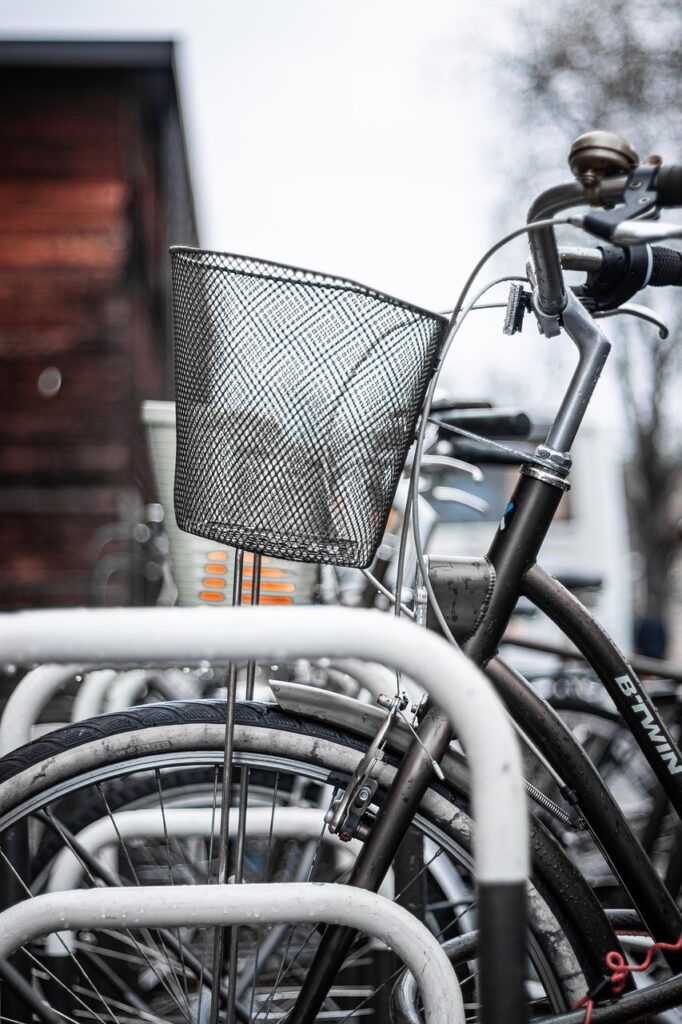
Bicycle theft is a real issue in major tourist cities; Barcelona is no exception. For beginners, a few simple rules cut the risk significantly: choose a high-quality lock (U-lock or heavy-duty chain), always secure the frame and the rear wheel to a certified fixed hoop (bici aparcament or metallic bike stand), and remove any detachable accessories (panniers, removable lights). There are secure bike parking areas: for example, the « Aparcament Bici » at Parc de la Ciutadella (Passeig de Picasso, 21, 08003 Barcelona) offers free hoops during the day but does not provide 24/7 supervision. For longer-term parking, check private facilities like BikeHouse Barcelona (Carrer d’Aribau, 165, 08036 Barcelona), typically open 08:00–20:00, with rates from €3/hour or daily rates around €15–20.
If you use the Bicing service (the municipal bike-share system), docks are spread across the city, notably near Plaça Universitat (Plaça Universitat, 08007 Barcelona) and Plaça de Catalunya (Plaça de Catalunya, 08002 Barcelona). The advantage of Bicing is reduced theft risk since bikes lock into stations. Practical tip: note your bike’s serial number and take photos when renting. In case of theft, report it immediately to the local police (Policía Local) or the Mossos d’Esquadra — central police station Plaça de la Catedral / Plaça Sant Jaume, Plaça de Sant Jaume, 1, 08002 Barcelona.
Local tip: avoid leaving your bike unattended overnight in very touristy areas like La Rambla (La Rambla, 08002 Barcelona) or Barceloneta (Passeig Marítim de la Barceloneta, 08003 Barcelona). For longer stays, favour rentals with theft insurance included or the secure storage options offered by some hostels and hotels (e.g. Hostal Grau, Carrer d’en Xuclà, 4, 08001 Barcelona, sometimes offers bike storage). Also note market and event times (Sant Antoni market, Carrer del Parlament, 08015 Barcelona — busy Sunday market) to avoid overcrowded areas where opportunistic thefts are more likely.
Recommended Beginner Routes and Useful Services
To build confidence, choose flat routes with protected bike lanes and avoid rush hours (typically 08:00–10:00 and 17:00–19:30). Here are three perfect rides for getting started:
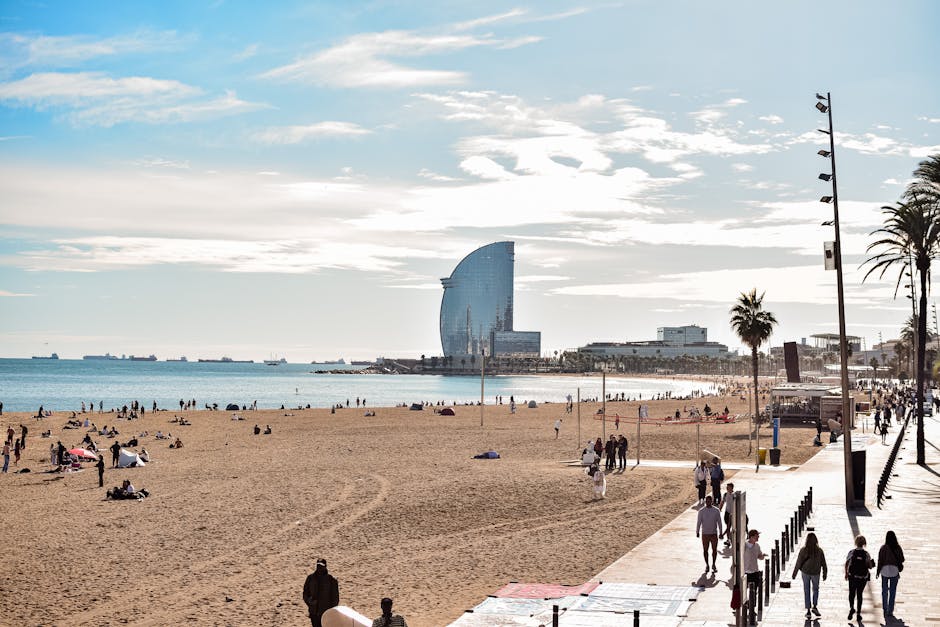
- Coastal route: Barceloneta – Port Olímpic – Poblenou : Start at Platja de la Barceloneta (Passeig Marítim de la Barceloneta, 08003 Barcelona). Follow the seaside promenade along Passeig Marítim to Port Olímpic and continue on the bike lane to Parc del Poblenou. Flat terrain, sea views, busy but safe. Ideal at sunrise. Easy access from Barceloneta metro station (L4).
- City loop: Plaça de Catalunya – Passeig de Gràcia – Parc de la Ciutadella : Start at Plaça de Catalunya (Plaça de Catalunya, 08002 Barcelona), head up Passeig de Gràcia (Carrer de Passeig de Gràcia, 08007 Barcelona) to admire modernist buildings, then ride down toward the Ciutadella (Passeig de Picasso, 21, 08003 Barcelona). Well-marked bike lanes and plenty of tourist stops.
- Green route: Parc Güell and surroundings : Access via Travessera de Dalt (Carrer de Travessera de Dalt, 08024 Barcelona) up to Parc Güell (Carrer d’Olot, s/n, 08024 Barcelona). Note: steep climbs approach the park — beginners should pedal slowly or dismount for the steepest sections. Parc Güell charges admission (standard tickets around €10–€13 depending on season), with extended hours in high season (often 08:00–21:00).
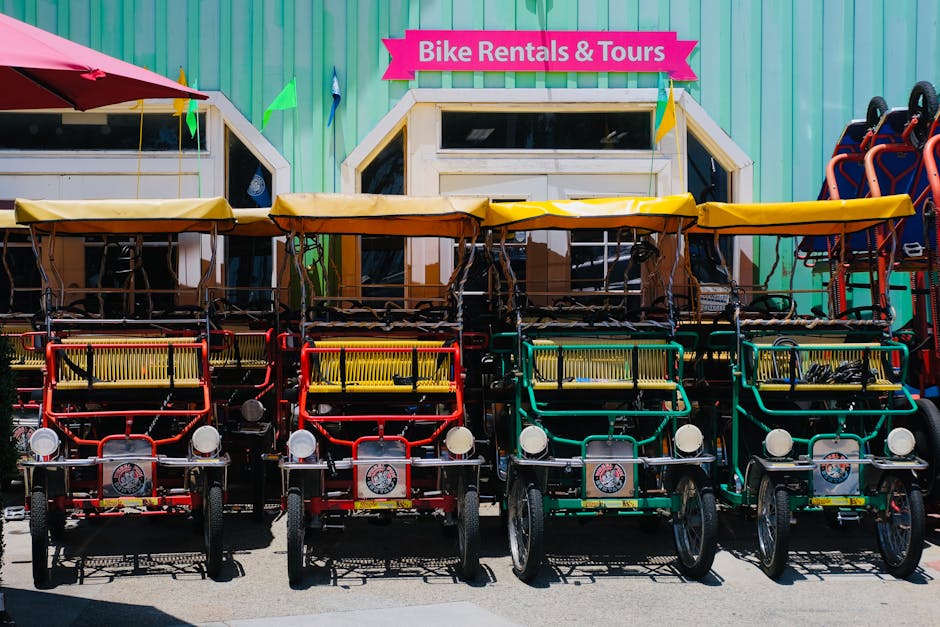
Useful services: Born Bike Tours Barcelona for rentals and guided tours — Born Bike Tours Barcelona, Carrer dels Carders, 35, 08003 Barcelona — usually open 09:00–19:00, rentals from €22/day. For quick repairs, Cyclology Barcelona (Carrer de Balmes, 152, 08008 Barcelona) offers express services, open 10:00–19:00 on weekdays, puncture repairs and small fixes from €8–€15.
Practical tip: download handy apps like Google Maps in bike mode, or the official Bicing app if you plan to use the service. Avoid cobbled stretches in the Barri Gòtic and favour smooth asphalt lanes like Passeig de Sant Joan (Passeig de Sant Joan, 08009 Barcelona), which is pleasant and less busy than the main boulevards.
Conclusion — Getting Comfortable and Respecting the City
Starting to cycle in Barcelona is a rewarding experience that blends quick mobility, sightseeing and environmental friendliness. For beginners, the most important things are learning the basics (pedestrian priority, obeying lights, required equipment at night), picking suitable routes and securing your bike properly. The addresses and services mentioned — Sagrada Família (Carrer de Mallorca, 401, 08013 Barcelona), Parc de la Ciutadella (Passeig de Picasso, 21, 08003 Barcelona), Born Bike Tours Barcelona (Carrer dels Carders, 35, 08003 Barcelona), Cyclology Barcelona (Carrer de Balmes, 152, 08008 Barcelona) — will help plan rides and repairs. Don’t forget the practicalities: check opening hours (many tourist businesses open between 09:00 and 10:00 and close between 18:00 and 20:00), budget for rentals (around €22/day at private shops) and plan theft-prevention by favouring locked and anchored solutions.
Finally, adopt the local attitude: be courteous to pedestrians, stay alert at intersections and be patient in tourist zones. Enjoy the calm mornings along the coast, explore quieter boulevards like Passeig de Sant Joan and don’t hesitate to use supervised storage if you visit very crowded sites. Barcelona rewards cyclists with unique views, a Mediterranean vibe and neighbourhoods made for two wheels. With these rules, tips and routes, you’re ready to discover the city responsibly, safely and enjoyably — happy cycling through Barcelona’s vibrant streets!