





Introduction — Why combine metro and bike between Estació de Barcelona Sants and Barceloneta
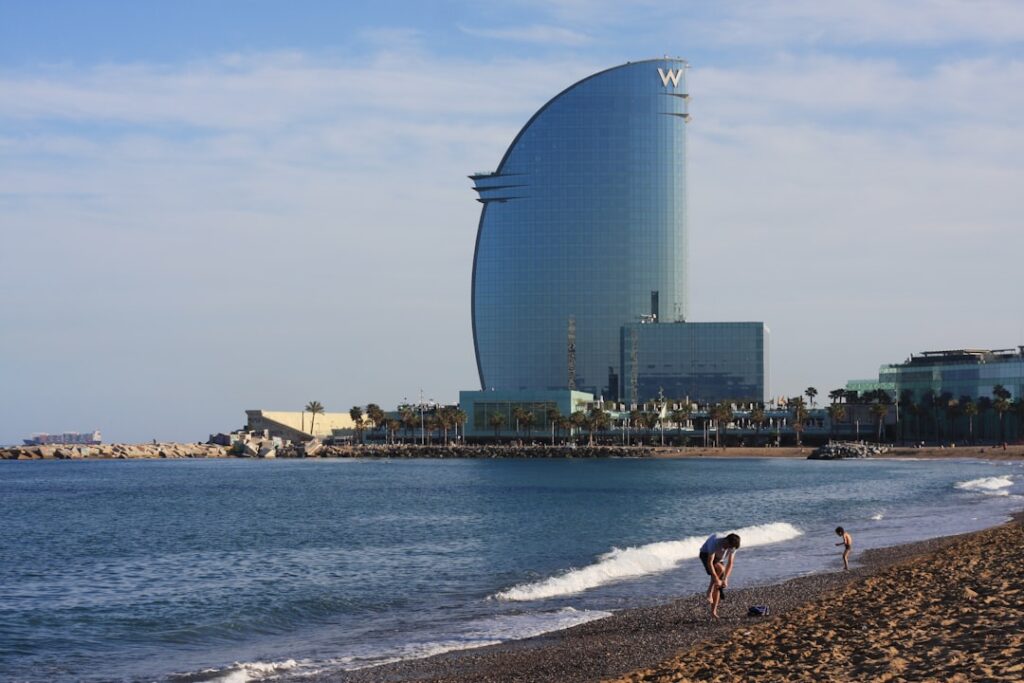
Getting around Barcelona between two places as different as Estació de Barcelona Sants (Plaça dels Països Catalans, s/n, 08014 Barcelona) and the Barceloneta waterfront (Pl. del Fossar de la Barceloneta / Passeig de Joan de Borbó, 08003 Barcelona) perfectly illustrates today’s mixed urban mobility: the speed of the metro, the flexibility of a bike, and the joy of crossing iconic neighborhoods. The typical route covers about 4.5 to 6 kilometres depending on the chosen path, but that number doesn’t capture the experience: from Sants’ functionalist station architecture to the narrow maritime lanes and the golden sand of Platja de la Barceloneta, each stretch has a very different vibe.
This post is a practical, professional and immersive guide for travellers or locals who want to optimize a Sants → Barceloneta trip by mixing metro and bike. Inside you’ll find:
- Clear descriptions of stations, exact addresses and landmarks (Estació de Barcelona Sants, Barceloneta, Passeig de Joan de Borbó).
- Metro schedules and realistic travel-time summaries, including transfers and peak/off-peak differences.
- Prices in euros: single metro tickets, short-term passes and typical bike rental rates (regular and electric).
- Suggested bike routes for the cycling portion: protected lanes, streets to avoid, secure bike parking and Bicing docks (municipal service).
- Local tips: safety, parking, useful apps (TMB, Bicing, offline maps) and tricks to enjoy the coast with peace of mind.
The target audience is broad: hurried tourists with a train ticket, commuters linking the station to the port, or residents who want the reliability of the metro combined with the freedom of a bike. The guide offers variations — take the metro almost to the water then finish by bike, or the reverse — and details the facilities at Sants (bike lockers, rental docks) and at Barceloneta (bike parking and regulated zones). Times and prices are up-to-date at the time of writing: single metro T-1 ticket €2.40 (standard fare zone 1), classic bike rental €8–15/hr depending on operator, e-bike rental €18–30/hr or day rates €20–40 depending on season.
Reading this guide will help you not only pick the fastest route but also the most enjoyable one: ride a protected cycle lane in the morning, avoid unnecessary metro transfers, and know when stations are quieter. Practical tips cover ticket machines (fare types and models), using a T-Casual if you plan multiple trips (€11.35 for 10 rides zone 1 at time of writing) and buying a TMB card via the mobile app. You’ll also find gear recommendations: helmet, U-lock, lights and clothing suited to Barceloneta’s sea breezes.
Understanding the route and useful metro lines (details, schedules and transfers)
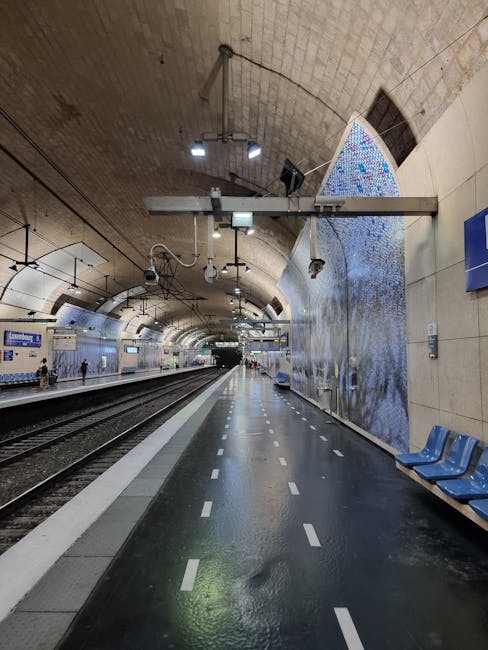
The first step when choosing between metro and bike is understanding the stations and lines involved. Estació de Barcelona Sants (address: Plaça dels Països Catalans, s/n, 08014 Barcelona) is a major multimodal hub: national and international rail services, metro lines and many passenger facilities. The metro station inside the complex is served by lines L3 (green) and L5 (blue). Barceloneta has a station named Barceloneta (L4, yellow) at the corner of Carrer de Sant Miquel and Passeig de Joan de Borbó, very close to the seafront. As an alternative, you can exit at Ciutadella-Vila Olímpica (L4) if you’re aiming for the northern part of the beach or Parc de la Ciutadella.
Metro hours: generally, Barcelona’s metro lines run roughly from 05:00 to 24:00 Monday–Thursday. On Fridays service is extended until about 02:00, Saturday the metro runs 24 hours, and the night between Saturday and Sunday is also continuous. These hours can change by line and when maintenance is scheduled. Peak frequencies are around every 3–6 minutes and off-peak 5–8 minutes. For exact times on the day you travel, use the TMB app (Transports Metropolitans de Barcelona) or the electronic displays in stations.
Here are two typical fast metro routes:
- Route A (fast, minimal transfers): From Sants take L3 toward Zona Universitària or L5 toward Cornellà Centre depending on departures, change at Passeig de Gràcia (Passeig de Gràcia, 08007 Barcelona) for L4 (toward La Pau) and get off at Barceloneta (Carrer de Sant Miquel, 08003 Barcelona). Approximate duration: 20–25 minutes excluding wait time. Cost: T-1 ticket €2.40.
- Route B (fewer stairs, more walking): From Sants take L3 toward Zona Universitària to Drassanes (La Rambla, 08002 Barcelona), then walk or rent a bike for the 1.2–1.8 km section along Passeig de Colom and Port Vell. Metro + walk time: 25–35 minutes. Cost: €2.40 + optional bike rental.
Fare tip: if you expect several journeys, the T-Casual book (10 trips zone 1) at around €11.35 is usually cheaper than multiple T-1 tickets at €2.40 each. For short stays, a T-Usual monthly pass only makes sense for residents or very frequent travelers. Buy at station ticket machines or through the TMB mobile app for an electronic ticket.
Recommended combined metro + bike routes, with detailed streets and cycle lanes
Combining metro and bike gives you the best of both: cover the main distance quickly by metro, then enjoy the freedom of a bicycle for the final kilometres or local exploration. Here are three tested, reliable routes with distances, times and safety tips.
-
Option 1 — Metro to Barceloneta + bike to explore the waterfront
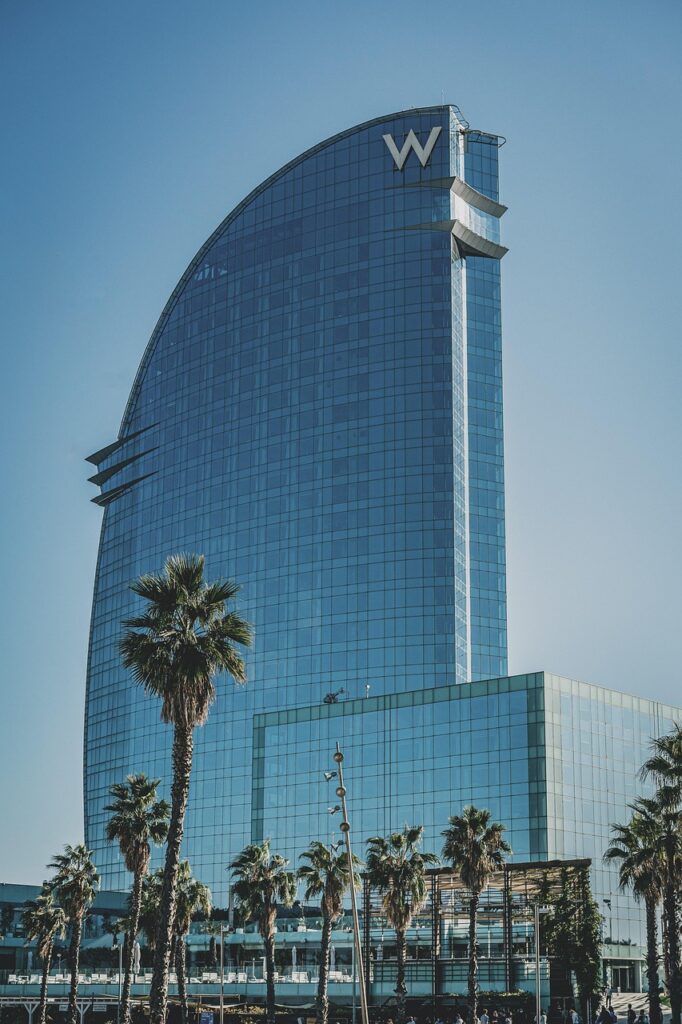
Route: Sants (Estació de Barcelona Sants) → metro L3/L5 + transfer to L4 → Barceloneta (L4) → unlock a bike from a local dock or docking station (Born or Passeig de Joan de Borbó). On-site bike distance: variable (0–3 km). Total time: 25–35 minutes. Why? It’s the simplest option if you want to arrive directly in the neighborhood and then move freely along Passeig de Joan de Borbó and Passeig Marítim.
-
Option 2 — Metro to Drassanes + bike to the beach (coastal charm)
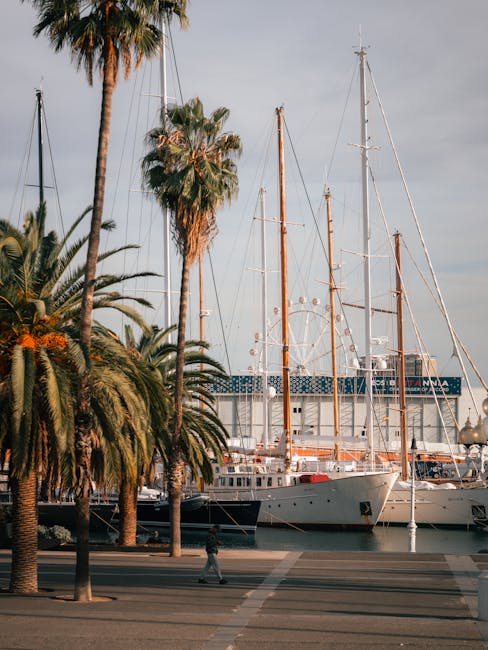
Route: Sants → L3 → Drassanes (exit La Rambla / Passeig Colom) → rent a bike (short walk from the station) → follow Passeig de Colom toward Port Vell → Passeig Marítim → Barceloneta. Bike distance: 1.5–2.5 km. Total time: 30–40 minutes. Advantage: pass through Port Vell and the marina, enjoy views of the yachts and the Aquarium. Lanes: from Passeig de Colom there are sections of protected cycle lane up to the quay.
-
Option 3 — Bike all the way from Sants (full ride for confident cyclists)
Route: Exit via Plaça dels Paisos Catalans → follow Carrer de Sants / Gran Via de les Corts Catalanes → turn onto Avinguda del Paral·lel → head down toward Passeig de Colom → follow the coast to Passeig de Joan de Borbó. Distance: 5–6 km depending on the variant. Approximate time: 20–30 minutes at a moderate pace. Advantage: direct ride with no transfers. Watch out: Gran Via can be busy; favour the cycle lane on Avinguda del Paral·lel and the dedicated lanes along the port.
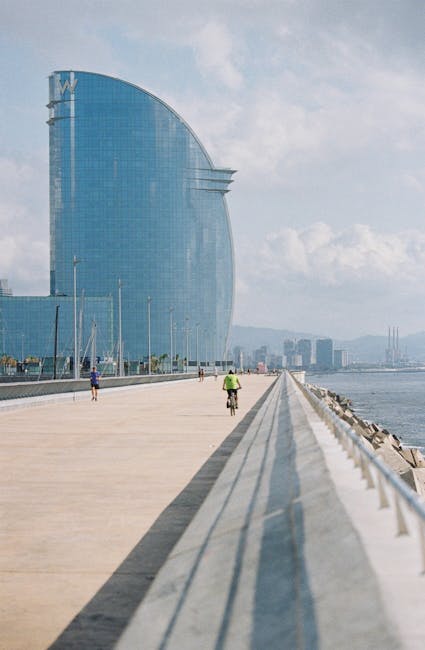
Practical rules: obey traffic lights and pedestrian crossings (lots of tourists around Barceloneta), use protected cycle lanes where available (marked in blue/green), signal your turns and avoid riding on the pedestrian promenade nearest the shore where priority is usually given to walkers. During peak hours (08:00–09:30 and 17:30–19:30) favour the metro for most of the trip and get off at Drassanes or Barceloneta if you have a folding bike — folding bikes are generally allowed on the metro outside peak times in central cars and during certain slots (check TMB restrictions displayed).
Bike rentals, secure parking and detailed fares (Bicing, private rentals)
Barcelona offers several ways to get a bike: the municipal Bicing service (subscription-based and mainly aimed at residents), private rental companies for tourists (Donkey Republic, Born Bike Tours, Green Bikes Barcelona), and local shops renting by the hour or day. Here’s a practical, transparent overview of options, addresses and typical prices.
-
Bicing (public system)
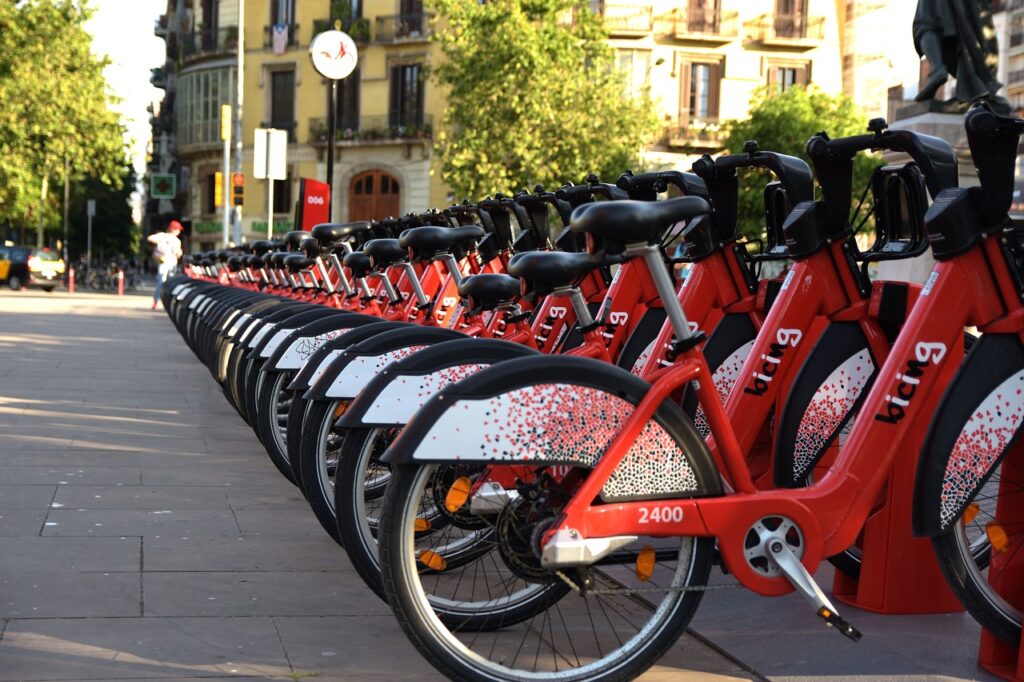
Nearest dock: Estació Sants, Plaça dels Paisos Catalans (dock in front of the station). Conditions: monthly subscription required (price varies, roughly €3–12/month depending on plan and residency, often for registered residents). Use: first half-hour free depending on plan then progressive charges. Ideal for regular commuters but less convenient for short-term tourists. -
Donkey Republic (short-term rental app)
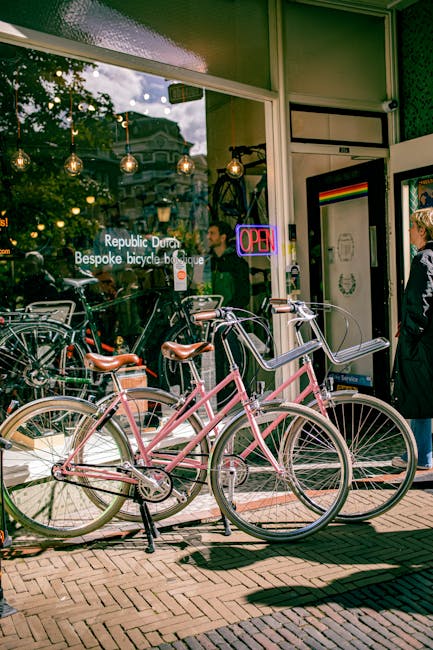
Typical pickup points: stations near Sants or Born/Barceloneta. Indicative prices: about €8–12/hr for a mechanical bike, €20–30/day for a classic bike; electric bikes €18–35/hr depending on availability. Book via the Donkey Republic app. A common pickup address for a rental point: Carrer de Julià, near El Born (varies by bike availability).
-
Born Bike Tours Barcelona
Address: Plaça de Sant Pere, 10, 08003 Barcelona (office and tour starting point). Prices: guided bike tours €25–35/person (2–3h), simple rental €10–18/hr or €20–30/day depending on season. Booking recommended in high season. -
Bike parking and storage
Near Estació de Sants: covered bike parking (often free or low cost) and a bike room monitored by the station; ask at the station information desk (hours: 06:00–22:00). At Barceloneta: public bike racks along Passeig de Joan de Borbó and in front of the beach (use a strong lock). Recommended lock: U-lock + cable, average shop price €20–50.
Pricing tips: compare hourly and daily rates — for a half-day a private rental is often more economical than high hourly fees. Tourist companies often include helmets, maps and route suggestions; negotiate a discount for multiple hours. Check the bike before you ride (brakes, tyres, lights).
Practical tips, safety, best times and local hacks
Getting around Barcelona between Sants and Barceloneta involves a few local rules worth knowing. Coastal weather can change fast (gusts and sea spray): bring a lightweight windproof layer. Wear a helmet, especially when using shared lanes. If you plan to take a bike on the metro, check permitted time slots (TMB publishes restrictions by day and line); folding bikes are usually accepted without limits.
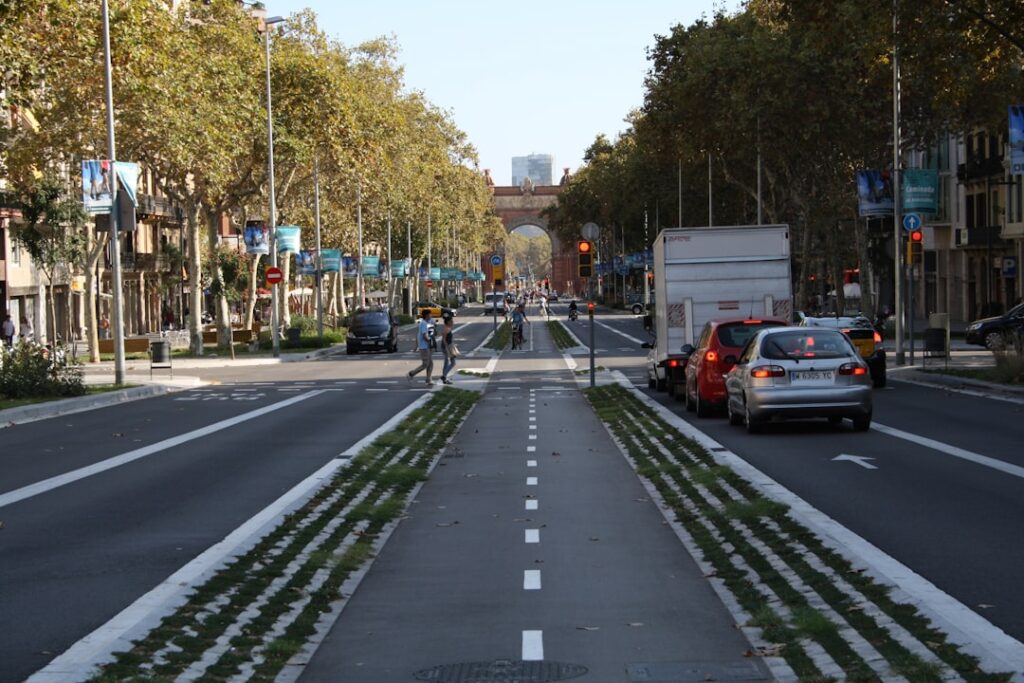
Road safety: respect right-of-way, stop at red lights, use cycle lanes where present (they’re clearly marked) and avoid weaving between car lanes. During rush hour favour the metro for most of the route; platforms and Sants access can be crowded in the early morning (07:30–09:30) and late afternoon. Best times to ride are early morning (07:00–09:00) and late afternoon (17:00–20:00) except in July/August when heat and beach crowds increase.
Useful apps: TMB App (timetables, disruptions), Google Maps / Citymapper (multi-modal routes), Donkey Republic or local rental apps (bike reservations), and the Bicing app if you’re subscribed. For minor mechanical issues (flat tyre), many neighbourhood kiosks near the port can offer a patch or pump for €2–10.
Local hacks: to beat beach crowds plan to arrive before 10:00 or after 18:00. For lunch head to Passeig de Joan de Borbó 5–15, where several seafood restaurants offer mains in the €12–25 range (example: Can Ramonet, Carrer de Sant Carles, 6, 08003 — check availability, menus vary). Also respect local rules on public alcohol consumption: fines can be steep (€50–600 depending on the infraction).

Conclusion — Picking the ideal combination for your needs
The metro + bike combo between Estació de Barcelona Sants and Barceloneta is a powerful, flexible option that fits many profiles: rushed tourists, regular commuters, leisure cyclists, or business travellers. The metro delivers speed and punctuality, while the bike gives local freedom and direct contact with neighbourhoods (Raval, El Born, Port Vell, Barceloneta). Distances are short but the city’s variety makes it worth choosing the most pleasant mode for each segment.
Choose the metro to save time on the main stretch (standard fare €2.40 per T-1 trip, T-Casual 10 trips ≈ €11.35), choose the bike to explore the waterfront and the Born’s lanes, or mix both for an optimised journey. Rental options vary widely: Donkey Republic and Born Bike provide tourist-friendly solutions (roughly €8–30/hr or €20–35/day), while municipal Bicing is ideal for regular residents. Above all, follow safety rules, stick to cycle lanes, and plan transfers outside peak periods if you’re in a hurry.
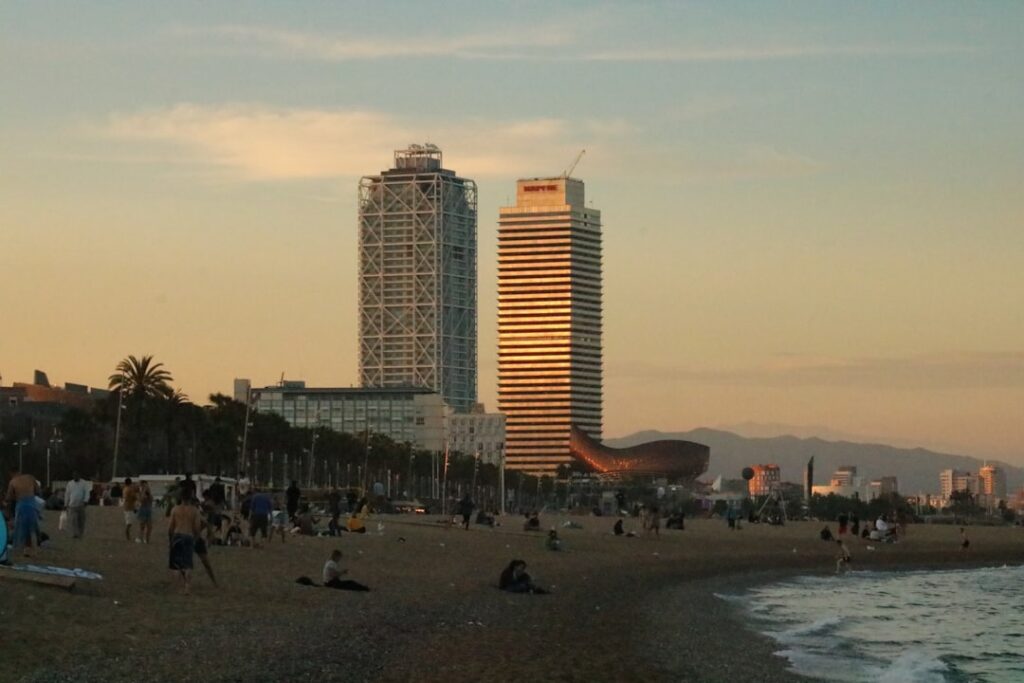
In short, your choice will depend on time, budget and comfort: for a quick, effortless journey the metro straight to Barceloneta is ideal; for a more photogenic, flexible trip, pick a bike from Drassanes or ride straight from Sants if you’re confident in city traffic. With the addresses, timetables and fares in this guide you’ll be able to organise your trip between Sants and Barceloneta safely, economically and enjoyably while making the most of Barcelona’s seaside charm.